BLOG

A ROOM THAT SAYS STAY

A ROOM THAT SAYS STAY

Designing a guest space that tells the people you love they belong here

The season of visits is almost here. Grown children come home from college with laundry and stories. Parents fly in for the holidays. An old friend passes through town and stays an extra night because the conversation isn’t finished yet. For many families, autumn and winter are when the house fills up with the people who don’t live there every day but still feel like part of it.

How those people feel when they close the door behind them at night has a lot to do with the room you give them. A guest room can feel like a place someone has been put, or it can feel like a place someone was expected. The difference is rarely about square footage or budget. It’s about attention.

The Difference Between a Spare Room and a Guest Room

In many homes, the guest room is also the storage room, the gift-wrapping station, and the place where the treadmill lives. That’s completely understandable. But when a guest walks in and has to move a stack of boxes to reach the bed, they get a clear message, even if no one says it out loud. They’re fitting into a space that wasn’t really made for them.

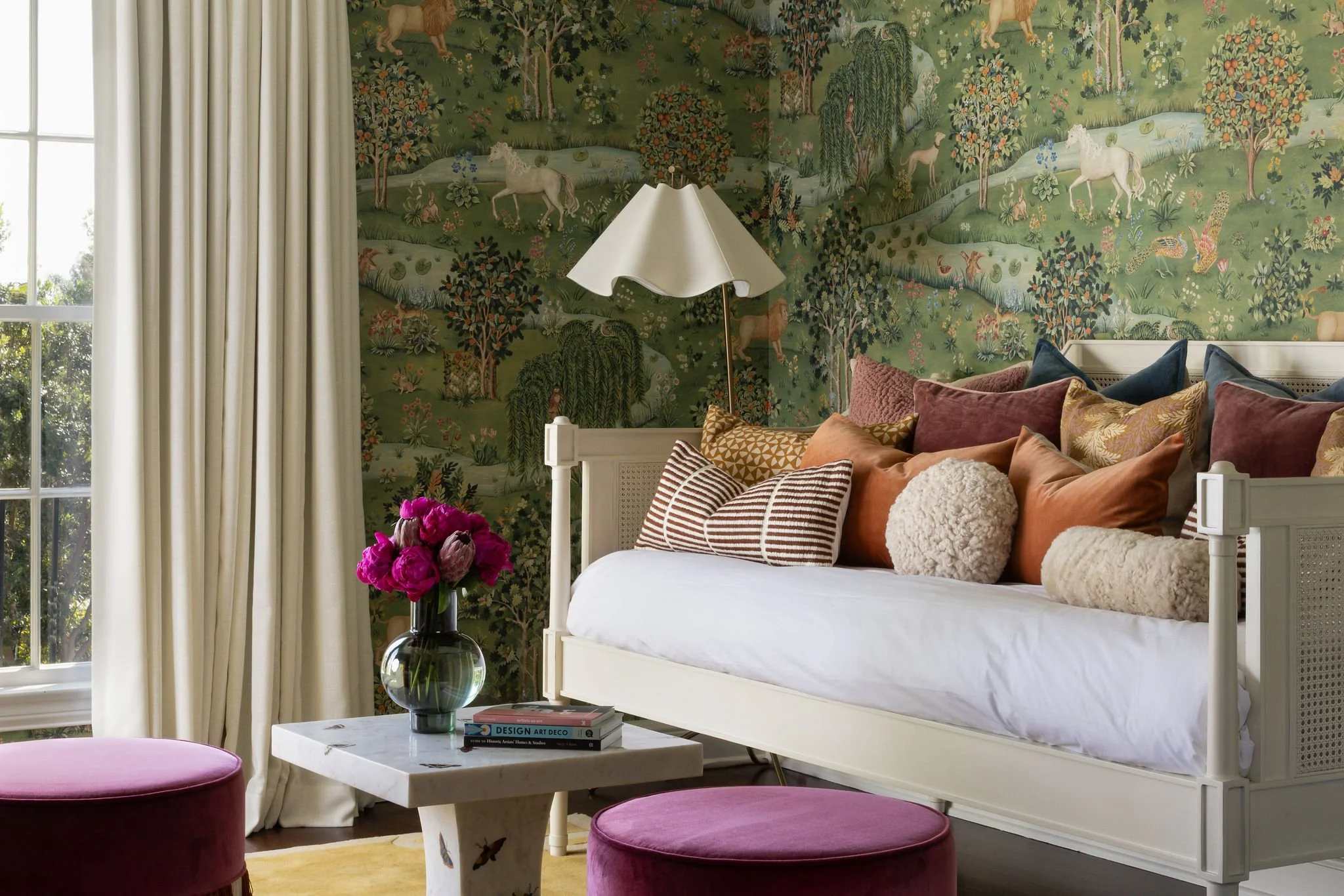
A true guest room doesn’t have to be large or used often. It just has to be ready. Clearing the surfaces, making sure the closet has empty hangers, and giving the room a sense of calm tells your guest that you made space for them on purpose.
Sleep in It Yourself

One of the best things you can do before guests arrive is spend a night in the room yourself. You’ll learn more in one evening than you could from any checklist. You’ll notice whether the curtains let in the streetlight at five in the morning, whether there’s a place to set a glass of water, and whether the bedside lamp is actually bright enough to read by.

You’ll also notice whether the bed is comfortable, which is the single most important thing in a guest room. Good sheets, a mattress topper if the mattress is older, and a choice of pillows go further than any decorative touch. If someone sleeps well in your home, they’ll remember the whole visit more warmly.

The Small Things That Do the Welcoming

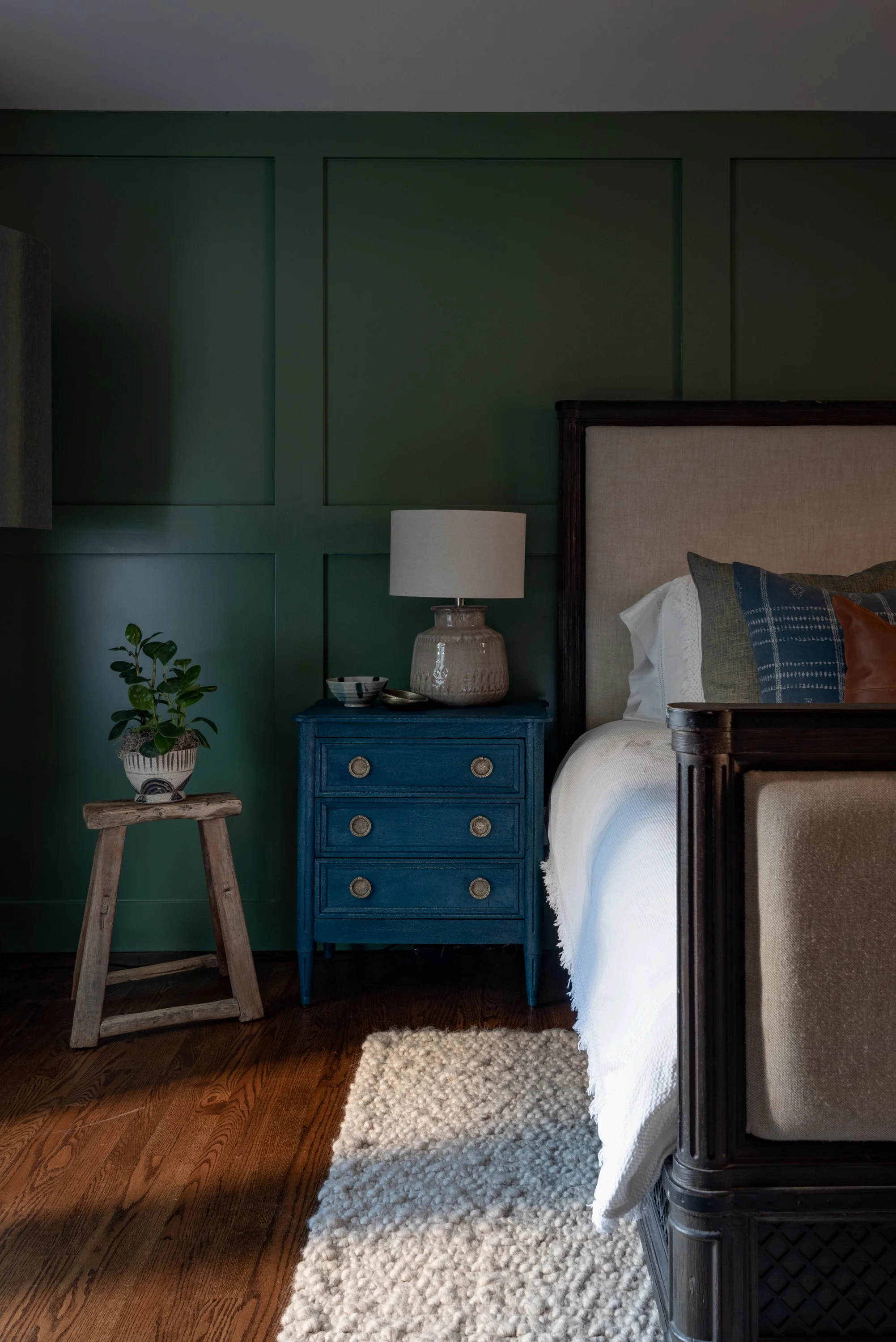
The details that make a guest feel cared for are usually small and practical. An extra blanket folded at the foot of the bed, so no one has to go looking for one in the middle of the night. A carafe of water and a glass on the nightstand. A small tray with a phone charger, the wifi password written on a card, and a few toiletries someone might have forgotten.

A luggage rack or a bench where a suitcase can sit open makes a surprising difference, because it saves your guest from living out of a bag on the floor. A few empty drawers do the same. When people can unpack, even a little, they start to relax and feel at home instead of feeling like they’re passing through.
A Touch of You

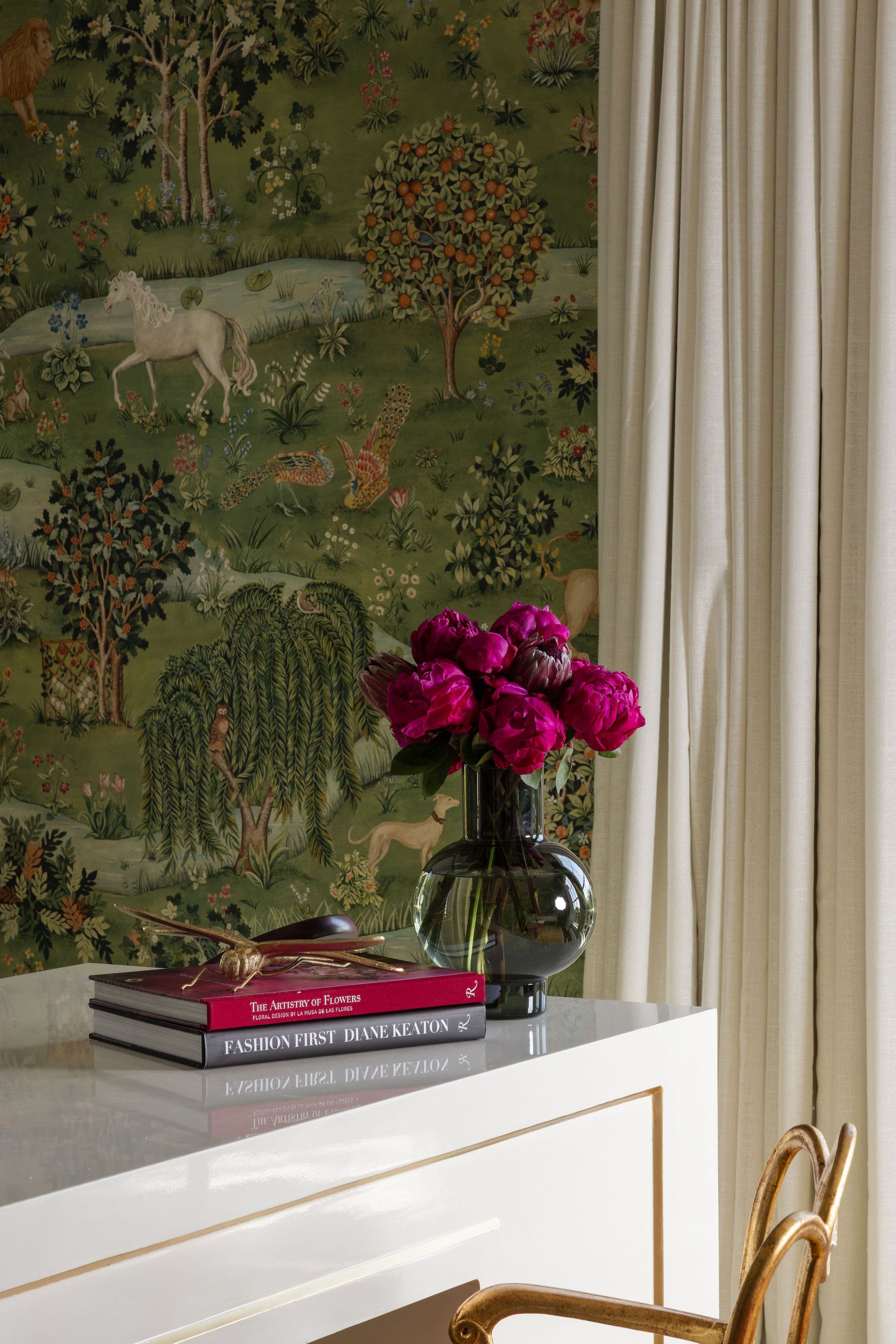
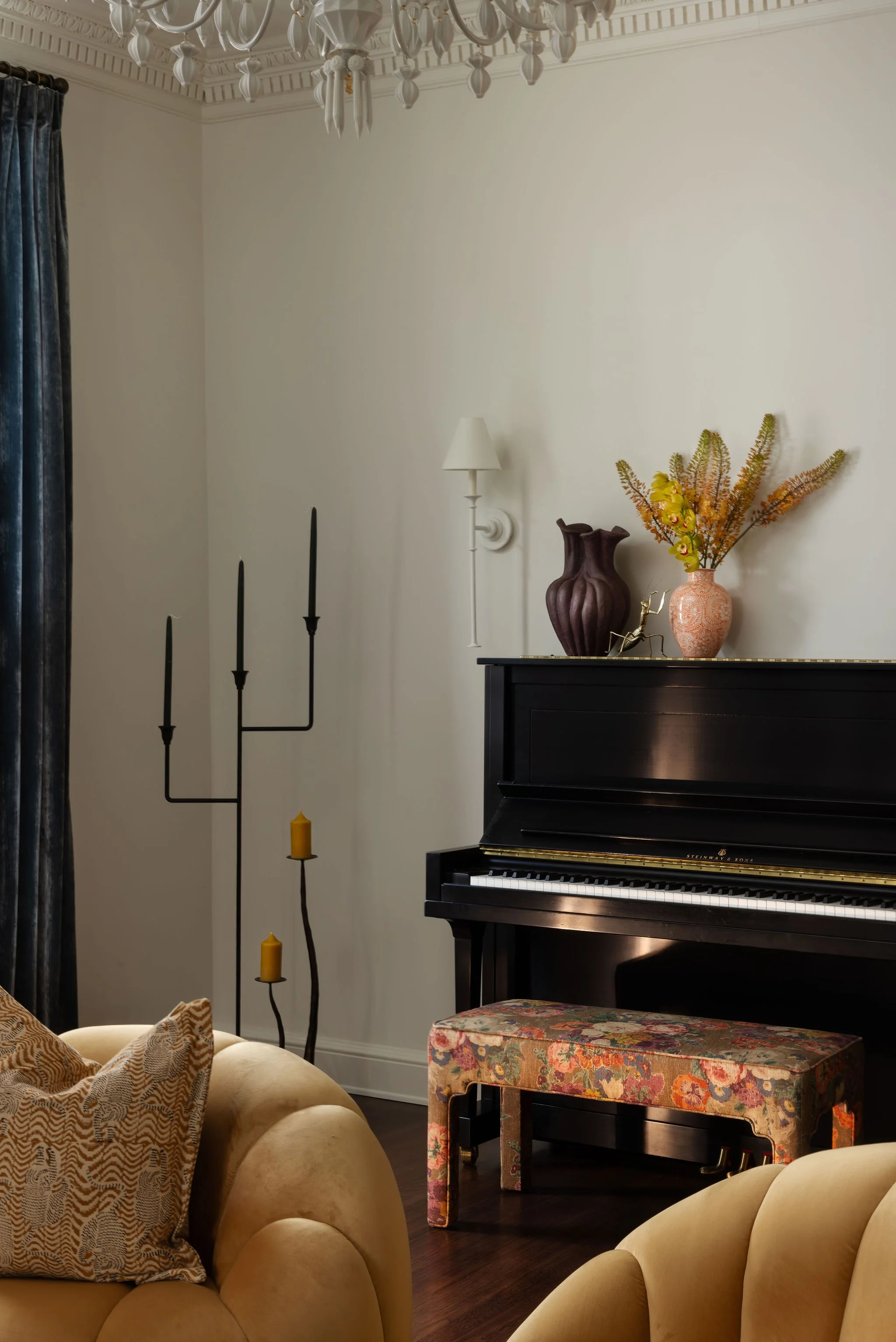
A guest room shouldn’t feel like a hotel, though. What makes it feel like a welcome is a sense of the family whose home it is. A framed photograph from a trip you took together, a stack of books you’ve loved, a small vase of something cut from the garden that morning. These touches tell your guest that they’re staying with people, not just in a building. If the room is for someone in particular, like a parent or a grown child, you might choose one object that’s meant just for them. A favorite mug on the nightstand, a quilt they used to sleep under as a child, or a photo of the two of you. It’s a small gesture that says you were thinking of them before they arrived.

When There Is No Guest Room

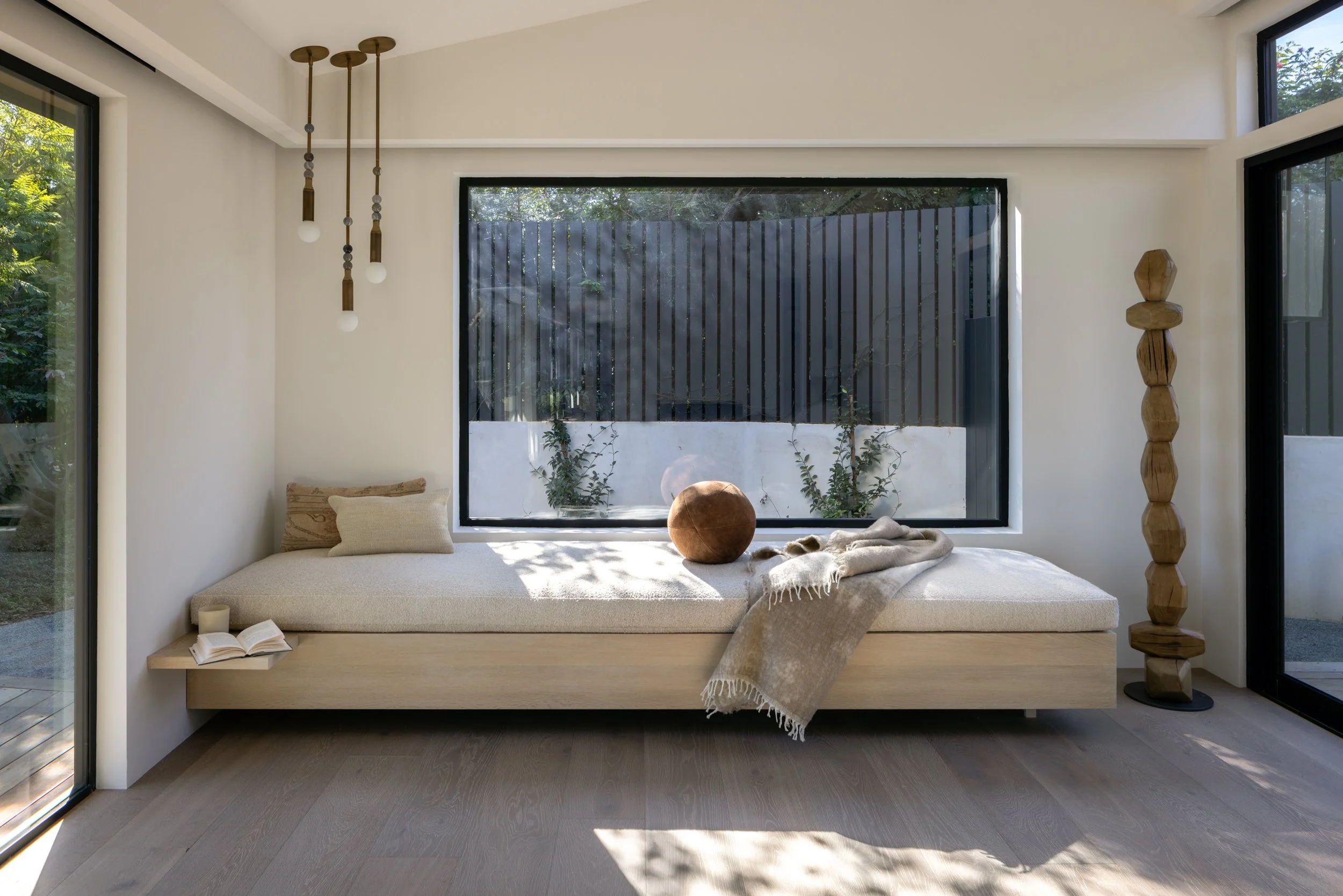
Many homes don’t have a dedicated guest room, and that’s fine. A home office with a good daybed, a den with a sleeper sofa, or even a corner of the living room can become a welcoming place to sleep with a little planning. A folding screen or a curtain can create some privacy. A basket with fresh linens, a towel, and a small lamp can turn a sofa into a real bed for the night. What matters most is that your guest has a little corner that’s theirs for the length of the visit, somewhere they can set their things down and close their eyes without feeling like they’re in the way.

More Than a Place to Sleep

When the people you love come to stay, they’re bringing more than a suitcase. They’re bringing the chance to share ordinary days with you, morning coffee and late dinners and conversations that wander. A room that says stay makes that easier, because it lets them settle in and feel like they belong in your home rather than borrowing a corner of it. Long after the visit is over, they’ll remember how it felt to be expected.

If you’d love a guest space that feels as warm as your welcome, we’d be happy to help you design it.

[Book a Consultation]
Susanna WardComment
THE HOUR THE LAMPS COME ON

THE HOUR THE LAMPS COME ON

How to design for the shorter days, so evenings feel like an invitation instead of a loss

Somewhere in October, you’ll notice it. You’re finishing dinner or answering one last email, and you look up to find that the room has gone dim around you. The light that carried you through long summer evenings has started leaving a little earlier each day, and by the end of the month you’re turning on lamps before you’ve even thought about dinner.

For a lot of people, that shift brings a small heaviness that’s hard to explain. The days feel shorter in a way that has nothing to do with the clock. But the change in light can also become one of the loveliest parts of the year, especially when your home is ready for it. The hour the lamps come on can be the hour your family starts drifting back toward each other.

Why Evening Light Shapes the Whole Day

Most homes are designed for daylight. You think about which rooms get morning sun, where the windows face, and how bright the kitchen feels at noon. Evening light tends to be an afterthought, handled by whatever fixture came with the house and a switch by the door.

The trouble is that in autumn and winter, many of the hours you actually spend at home happen after dark. If the only option in a room is a bright overhead light, the space can feel like an office at night, flat and a little exposed. People scatter to their own rooms because nowhere in the house feels like a place to settle in.

When you design for evening on purpose, the opposite happens. A room lit softly and from several directions feels smaller and warmer in the best way, and it naturally invites people to sit down and stay.

Living by Lamplight

The simplest change you can make is to stop relying on the ceiling. Overhead lighting has its place in kitchens and work areas, but in the rooms where you relax, it tends to wash everything out. Lamps placed at different heights create pools of light that give a room depth and shape.

Think about a floor lamp beside a reading chair, a pair of table lamps on a console, and a small lamp on a bookshelf or kitchen counter where you wouldn’t expect one. Each one makes a little island of warmth, and together they make the room feel layered and inhabited. Lamps with linen or paper shades soften the light even further, and ceramic or wooden bases add texture that looks beautiful whether the lamp is on or off.

Pay attention to the corners as well. Dark corners make a room feel like it ends sooner than it does, and one low lamp tucked into a corner can make a living room feel twice as welcoming.

The Color of Warmth

The color of your light matters as much as where it comes from. Cool white bulbs feel crisp and alert, which is useful in a home office but jarring in the evening. Warmer bulbs, the kind that give off a soft amber glow, feel closer to candlelight and firelight, and your body tends to read them as a signal that the day is winding down.

Dimmers are one of the most underrated tools in a home. Being able to lower the light gradually as the evening goes on lets a room shift from dinner to conversation to rest without anyone having to think about it. If you’re renovating, adding dimmers to living areas and bedrooms is a small investment that changes how the whole house feels at night.

Candles and Small Flames

There’s a reason candles show up on almost every table this time of year. A flame moves in a way electric light never does, and that movement makes a room feel alive. A few candles on the dining table, a lantern by the front door, or a cluster of votives on the mantel can turn an ordinary weeknight into something that feels a little more cared for.

You don’t need to save them for guests. Lighting a candle at dinner on a Tuesday is one of the easiest rituals there is, and children especially tend to remember it. It tells everyone at the table that this meal, and this time together, matters.

Rituals That Begin When the Light Changes

Once your home is ready for the evening, you may find that new habits start to form around it. Maybe someone turns the lamps on as soon as they get home, and that small act becomes the moment the day officially ends. Maybe the family starts gathering in the living room after dinner because it’s the warmest-feeling room in the house. Maybe you start reading more, simply because there’s finally a chair with good light beside it.

These rituals don’t need to be planned. They grow on their own when a home gives people a reason to come together, and good evening light is one of the strongest reasons there is.

Welcoming the Darker Months

The shorter days of autumn aren’t something you have to endure until spring. With a little attention, they can become the coziest stretch of the year, when the house glows from the inside and everyone seems to end up in the same room by nightfall. When you design for the hour the lamps come on, you’re really designing for the time your family spends together. And that’s the time most worth getting right.

If your home feels bright by day but a little cold by night, we’d love to help you design evenings that draw everyone in.

Susanna WardComment
LISTENING TO YOUR HOME

LISTENING TO YOUR HOME

Why the way a room sounds shapes how it feels, and how to design for the ear as carefully as the eye

If you've ever walked into a beautiful home with soaring ceilings, limestone floors, and freshly plastered walls, you may have noticed something strange within the first few minutes. Your own footsteps sound louder than they should. A casual comment to a friend seems to travel across the room and come back to you a moment later. Nothing looks wrong, and you probably couldn't point to a single flaw, and yet the space feels a little less restful than it appears in photographs.

Most design conversations focus almost entirely on what a home looks like. You talk about color, texture, layout, and light, and you spend months choosing the right stone for a countertop or the right linen for a sofa. Sound rarely enters the conversation at all, even though it shapes the emotional experience of a room just as much as anything you can see.

You can walk into a home that photographs beautifully and still feel a low hum of tension the moment you sit down. Very often, that tension traces back to sound rather than sight. When a home is filled with hard surfaces, glass walls, tile, stone, and polished wood, every room reflects noise instead of absorbing it. The dishwasher running in the kitchen carries clearly into the living room. A phone call in one bedroom drifts through the wall into the next. The espresso machine in the morning announces itself to the entire house.

None of this shows up in a photograph, but all of it shapes how your family experiences your home from one day to the next. A house that sounds harsh asks something of the people living in it, even when they can't name exactly what that is. Conversations get softer than they need to be, doors start closing out of habit rather than necessity, and your nervous system stays slightly on alert in ways that are hard to trace back to any single cause.

What Softens a Room

The good news is that the materials that make a home feel physically warm also tend to make it sound warmer. A thick wool rug absorbs footsteps instead of amplifying them, and a generous layer of linen drapery changes the way sound bounces off a wall of windows. Upholstered furniture, layered textiles, a woven headboard, and even a well filled bookshelf all work in the background to keep a room from feeling like an echo chamber.

Some of the most effective acoustic choices are ones you would make for beauty alone. Lime plaster walls have a softer, more textured surface than smooth drywall, and they gently diffuse sound as well as light. A tapestry or large textile artwork brought home from your travels can do more for the feel of a room than any amount of rearranging. Even a pair of deep, upholstered chairs in a stone floored entry can turn a space that once echoed into one that feels welcoming the moment you step inside.

AN Open Floor Plan that feels private

This is part of why open concept homes, for all their beauty and ease, can sometimes feel more chaotic than you expected. When your kitchen, dining area, and living room share one continuous space, every sound from every activity travels freely between them. The television competes with the conversation at the dining table, which competes with the sound of dishes being washed at the sink.

Designing an open layout well means introducing texture and softness deliberately, precisely because there are no longer any walls to do that work for you. An area rug can define the living space and absorb sound at the same time. Upholstered dining chairs, a slatted wood ceiling detail, or a row of built in cabinetry with textured fronts can break up long, hard surfaces so that sound settles rather than bouncing endlessly from one end of the room to the other. The goal is to keep all the openness and light you love while giving each zone a little more acoustic privacy.

The Sounds That Belong in a Home

Not every sound needs to be softened or removed. Some sounds are exactly what make a house feel alive, and they deserve to be heard clearly. Water running into a kitchen sink as dinner begins. A heavy front door that closes with a particular, familiar weight. The ocean breeze moving through an open window on a summer evening in Encinitas. These sounds become part of your family's sense of home in ways that are easy to overlook until they're gone, the way the creak of a certain stair in your childhood house still marks it as unmistakably yours.

Some of the most memorable homes we've experienced, from courtyard villas in Bali to hillside houses along the California coast, use sound intentionally. A small fountain placed near a reading chair, or a garden planted with grasses that rustle in the wind, can bring a sense of calm into a room that no finish or fabric can achieve on its own. The aim was never a silent home. It's a home where the sounds that matter come through clearly, and the sounds that don't, the mechanical hum, the echo, and the noise bleeding between rooms, are softened enough that they stop competing for your attention.

Paying Attention on Purpose

You don't need a full renovation to start noticing how sound is shaping your home. Try sitting in a room for a few minutes without music or a television playing, and simply listen to what you hear. Notice which rooms carry noise from elsewhere in the house and which ones feel contained and restful. Notice whether hard surfaces are doing all the acoustic work in a space that could use a rug, a curtain, or simply one more soft piece of furniture.

Once you begin paying attention, you'll likely find that the rooms you already love most are also the ones that sound the best. They're usually the rooms with the softest textures, the most layered materials, and the fewest hard, empty surfaces.

The Design You Never Notice

A home that sounds right is easy to overlook, because it isn't doing anything to draw attention to itself. That, in a way, is the whole point. The best acoustic design is the kind you never consciously notice, because it's simply doing its job, letting the sounds you love come through and gently letting go of the rest.

When you design your home for the ear as carefully as the eye, the difference shows up in the moments that matter most. Conversations last a little longer, mornings feel a little slower, and the house itself begins to feel like the calm, restorative place you always hoped it would be.

If your home looks beautiful but doesn't feel as restful as you'd like, we'd love to help you discover what it could sound like.

Susanna WardComment
THE ROOM EVERYONE ENDS UP IN

THE ROOM EVERYONE ENDS UP IN

Why the kitchen becomes the heart of a family, and how to design one that deserves the role

You can plan the most beautiful living room in the house, arrange the sofas for conversation, light a fire, and set out a board of cheese and olives, and by the end of the evening your guests will still be standing around the kitchen island with a glass of wine in hand. It happens at dinner parties, at holidays, and on ordinary Tuesday nights when your kids drift in to ask what's for dinner and then stay to tell you about their day. The kitchen has a gravity that no other room seems to have, and most families feel it long before they ever think to design for it.

That pull isn't an accident, and it isn't only about food. The kitchen is where a family's daily life becomes visible, and when you understand why, you can design a space that holds that life with far more grace.

For most families, the kitchen is the first room that wakes up in the morning and the last one to go dark at night. It's where the coffee gets made before anyone is fully awake, where lunches get packed in a rush, and where someone always ends up leaning against the counter at eleven o'clock, eating something straight from the refrigerator and talking about nothing in particular.

Because it frames the beginning and end of every day, the kitchen absorbs more of a family's history than any other room. Ask grown children what they remember about the house they grew up in, and very few will describe the formal dining room. They'll tell you about the smell of onions softening in butter on a Sunday afternoon, the sound of a parent humming at the stove, or the particular chair at the kitchen table where they did homework while dinner cooked. Those memories are sensory and specific, and they almost always happen in the kitchen.

When you design this room, you're shaping far more than a place to cook. You're shaping the backdrop your family will remember when they think of home.

Designing for More Than One Person at the Stove

Many kitchens are still planned as though one person will do all the work while everyone else stays out of the way. The most loved family kitchens are designed on the opposite assumption, that several people will be in the room at once and that this is exactly the point.

That starts with giving people somewhere to be. A few counter stools where a teenager can sit and talk while you chop vegetables, or a deep window seat where a younger child can color while keeping you company, turns the kitchen from a workspace into a gathering place. It helps to think in zones as well, so that someone can fill a water glass or grab a snack without stepping into the path of whoever is cooking. A secondary sink, a drawer of snacks placed at a child's height, or a beverage area at the edge of the room all let family members participate without colliding.

Sight lines matter just as much. When you can see the family room or the garden from the stove, cooking stops feeling like a task that pulls you away from everyone and starts feeling like part of the evening itself. Some of the best conversations in a family happen sideways, while someone's hands are busy and no one is looking directly at each other, and a kitchen with good sight lines makes room for those moments.

The Table That Sees Everything

An island is wonderful for casual meals and quick conversations, but there's still something irreplaceable about a real table in or near the kitchen. A table asks people to sit down and face each other, and that small shift changes the tone of a meal completely.

The best kitchen tables are rarely the most precious ones. They're the tables that can take a hot dish set down in a hurry, a spilled glass of milk, a science project spread across the surface for a weekend, and still look better for it years later. A solid wood table with a simple oil finish develops the kind of marks that tell a family's story, a faint ring from a birthday cake candle, a dent from the year someone learned to use a hammer. Those marks aren't damage to be hidden. They're a record of a family actually living at that table.

Materials That Grow With You

In the kitchen more than anywhere else, the materials you choose determine whether the room feels relaxed or anxious. A countertop that shows every water spot, or a finish that has to be protected from every child's hand, turns the heart of your home into a place where people feel they have to be careful.

We tend to guide families toward materials that improve with use. Honed marble softens and develops a gentle patina over the years. Unlacquered brass hardware darkens where hands touch it most, so the drawers you open every day slowly take on a warmth the others don't have. Oiled wood, handmade tile, and natural stone all carry a certain forgiveness, and that forgiveness is what allows a kitchen to be both beautiful and fully lived in. When you stop worrying about the room, you can finally enjoy what happens inside it.

A Kitchen That Changes as Your Family Does

A family kitchen should never be designed for a single moment in time, because your family won't stay in that moment for long. The kitchen that works around a toddler's high chair will need to make room for a teenager who eats constantly and cooks occasionally, and eventually for grown children who come home for the holidays with partners and babies of their own.

Thinking ahead doesn't mean designing for every possible future. It simply means leaving yourself some flexibility. An island that seats five or six instead of three, a pantry that can shift from snacks and lunchboxes to serving platters and extra glassware, and a table that can extend when the whole family is home again will carry you through far more of life than a kitchen tailored to exactly how you live today.

Where a Family Becomes a Family

The living room is where a family relaxes and the bedrooms are where each person retreats, but the kitchen is where everyone's day crosses paths. It's where plans get made, where news gets shared, where someone gets comforted after a hard afternoon, and where traditions take shape one recipe and one ordinary evening at a time.

When you design your kitchen around that truth, the room stops being a place where meals are produced and becomes a place where your family actually happens. Years from now, when your children describe the home they grew up in, there's a very good chance they'll start by describing this room.

If you're dreaming of a kitchen that brings your family together rather than simply looking good in photographs, we'd love to help you design it.

Susanna WardComment
DESIGNING THROUGH A LIFE TRANSITION

DESIGNING THROUGH A LIFE TRANSITION

What happens when a home is asked to represent a life that has already moved on without it

If you've ever walked back into your childhood bedroom after years away, you know how strange it can feel when nothing has changed. The same posters, the same bedspread, the same arrangement of furniture that made sense for a person you no longer are. It isn't the room's fault. It simply stopped moving forward at some point, while you kept going.

Homes have a way of freezing at the moment they were last designed with real attention, and life rarely waits around for a matching redesign. An empty nest, a divorce, a new baby, a move after a loss. These moments change a person completely, and yet the home they return to each day often stays exactly as it was.

Why a Home Falls Behind

Redesigning a space takes time, money, and energy, all of which tend to be in short supply during the exact moments life is shifting the most. So a nursery stays a nursery long after a child has grown into someone who needs a real bedroom. A shared closet stays divided down the middle long after a marriage has ended. A guest room stays staged and untouched long after the person who used to fill it has passed away, because changing it can feel like erasing something rather than moving forward from it.

None of this is a failure of design. It's simply what happens when a home is asked to represent a life that has already moved on without it.

The Emotional Weight of Changing a Space

Redesigning a room after a major transition is rarely just about updating furniture. It's an emotional process disguised as a practical one. Repainting a nursery after a family has decided not to have another child means confronting that decision every time you pick up a paintbrush. Turning half of a closet back into full storage after a divorce means literally taking up the space another person used to occupy. Rearranging a parent's bedroom after they've passed means deciding, piece by piece, what gets kept and what gets released.

This is part of why so many of these rooms sit untouched for far longer than makes practical sense. The delay isn't laziness. It's the natural pace of grief, relief, uncertainty, or whatever emotion is actually driving the need for change in the first place.

Letting the Home Catch Up Slowly

A full renovation isn't usually what a home in transition actually needs. Small, deliberate changes tend to work better, both practically and emotionally. Moving one piece of furniture out of a nursery before deciding what the room becomes next. Repainting a single wall in a bedroom that used to be shared, rather than overhauling the whole space at once. Keeping one meaningful object from a parent's home and letting the rest go gradually, rather than making every decision in a single overwhelming weekend.

This slower approach gives a person room to feel the change happening rather than forcing it all at once. A space can shift alongside a person's emotions instead of running ahead of them or lagging painfully behind.

What a Home Can Become Instead

Eventually, a room that held one version of a life can become something that supports the next one. A nursery becomes a home office for a parent returning to work after years away. A shared bedroom becomes a single person's first real space designed entirely around their own preferences, maybe for the first time in years. A parent's untouched bedroom becomes a quiet reading room, holding one or two objects that still carry their presence without asking a whole floor of the house to remain frozen in the past.

None of these transformations happen quickly, and none of them need to. What matters is that the home eventually reflects who is actually living there now, rather than holding onto a version of a family that has already changed.

Giving Yourself Permission

If a room in your home has stayed the same through a major transition in your life, that isn't something to feel behind about. It usually means the change itself is still being processed, and the home is simply mirroring that back to you.

When you're ready, even one small shift, a different color, a rearranged shelf, a single object moved out of sight, can be enough to signal that the space is finally catching up. A home doesn't need to change all at once. It only needs to keep moving, eventually, in the same direction you are.

Susanna WardComment
THE HOUSE THAT HOLDS YOU

The House That Holds You

How Intentional Design Restores a Family's Sense of Home

If you've ever walked into a house that felt less like a collection of rooms and more like a family gathered in one place, you were probably standing somewhere that had been styled with real intention. Not staged for a magazine, and not decorated in a rush to fill blank walls, but shaped slowly around the actual story of the people who live there. You can usually feel the difference within the first few seconds of walking through the door, even if you can't immediately explain why.

When Souvenirs Find Their Right Place

Most homes have a drawer somewhere, or a box in a closet, full of things nobody quite knows what to do with. A shell from a beach trip years ago. A ticket stub from a first date. A grandmother's sewing tin that still smells faintly of thread and cedar. These objects carry weight, but without a place to live, that weight tends to sit forgotten rather than felt.

When a family styles their home with intention, those objects get pulled out of storage and given a place that actually matches their meaning. The beach shell might sit on a windowsill in the room where the family gathers for morning coffee, catching the same kind of light it once caught on that trip. The sewing tin might sit on an open shelf in the kitchen, close enough to touch, instead of buried in a box in the attic. Placement becomes a form of respect. It tells everyone in the house, including guests passing through, that this object mattered enough to be seen every day rather than hidden away for safekeeping.

Over time, a home arranged this way stops feeling like a house with some old items scattered around and starts feeling like a walk through the family's own history, one object at a time.

A Color Story That Holds Everyone Together

Color does something similar, though it tends to work in the background rather than announcing itself. A family that chooses a consistent color story throughout their home, warm terracottas that echo through the living room and kitchen, or muted greens that show up in three different rooms without ever feeling repetitive, creates a kind of visual thread that ties the whole house together.

That thread matters more than it might seem. Kids who grow up in a home with a consistent, considered palette tend to absorb a subtle sense of belonging simply by moving through the space. Nothing feels disconnected or thrown together. Every room feels like it belongs to the same family, telling the same larger story, rather than existing as separate spaces that happen to share a front door.

This is different from matching furniture sets or following a strict design trend. It's closer to a family choosing a handful of colors that feel true to who they are, and then trusting those colors to carry meaning through every room they touch.

Restoration Through Repetition

There's a particular kind of restoration that happens when a family sees their own story reflected back at them throughout their home. A photograph from a wedding placed near a photograph from a childhood trip. A quilt made by a great aunt draped over the same couch where the family watches movies every week. A collection of postcards from places the family has traveled together, framed and hung where everyone passes by on their way to breakfast.

None of these choices are dramatic on their own. But together, repeated throughout a home, they create a kind of grounding that's hard to manufacture any other way. Family members start to feel less like they're passing through separate rooms and more like they're moving through chapters of the same ongoing story, one that includes all of them.

Why This Kind of Design Feels Different

A home styled this way was never really about decoration in the first place. It was about restoration, the steady work of reminding a family, every single day, of where they came from and who they are together. The souvenirs and heirlooms become anchors rather than clutter. The color story becomes a thread instead of a trend. And the house itself becomes something closer to a member of the family, holding its history the way a person might hold a memory close.

That's the real difference between a house that simply looks nice and a home that feels unified. One was arranged to impress. The other was arranged to belong.

Susanna WardComment
THE SUNDAY RESET

THE SUNDAY RESET

Why One Slow Hour Can Beat a Whole Productive Weekend

If you've ever treated a weekend like a to-do list with better lighting, you know the feeling. Grocery run, laundry, errands, maybe a workout crammed in before the guilt sets in. By Sunday night you feel like you survived the weekend rather than lived it, and Monday arrives before you've had a chance to catch your breath.

Some people have found a different way through, built around a single Sunday hour. Same time each week, that hour is reserved for nothing but resetting. A candle gets lit, the kitchen table gets cleared, three things for the week ahead get written down, and the phone gets put away in a drawer for the duration. There's no productivity app involved and no color coded planner, just one protected hour.

If you tried this yourself, the first few weeks might feel strange, almost like you were getting away with something you hadn't earned. But somewhere around the fourth or fifth Sunday, you'd likely notice that the rest of your week started to feel different too, not because you accomplished more, but because you had already decided in advance what actually mattered.

Most people don't lack rest so much as they lack recovery, the kind that comes from choosing stillness on purpose rather than collapsing into it once the energy runs out. A Sunday hour works precisely because it's scheduled ahead of time instead of scavenged from whatever is left over at the end of a long day.

There's a real difference between falling onto the couch at nine at night because you're depleted, and sitting down at four in the afternoon because you decided in advance that this was the hour for slowing down. The first is a retreat from exhaustion. The second is a ritual you chose on purpose.

Nothing dramatic tends to happen, and that's part of the point. Some weeks call for writing in a notebook, and other weeks call for simply sitting with tea and looking out the window for a while. Occasionally the hour gets spent planning meals, mostly because thinking about dinner on a Tuesday night in the middle of a busy day is a special kind of misery worth avoiding in advance.

The content of the hour matters less than the commitment behind it. It functions less like a task on a list and more like a boundary, a small piece of time set apart on purpose and protected from everything else that wants to creep into it.

If you want to try this yourself, there's no need to overthink the format. Pick a day and an hour, then protect it the way you'd protect a meeting with someone you deeply respect. Put your phone somewhere else in the house. Resist the urge to turn the hour into another task to check off.

The goal was never to optimize your weekend down to the last minute. It's to remember, once a week, what it actually feels like to not be behind on anything at all.

Susanna WardComment
EMPTY SPACE AS A DESIGN CHOICE

EMPTY SPACE AS A DESIGN CHOICE

What The Space Between Things Can Teach Us About Intentional Design

If you've ever visited a small tea house outside Kyoto, you'll notice something before you notice any single object in the room. It isn't the scroll hanging on one wall, or the low table, or the patch of afternoon light spread across the tatami mat. It's the room itself, and more specifically, everything the room has chosen not to contain, with nothing competing for your attention.

There's a word for this in Japanese design: ma. It roughly translates to "negative space" or "the space between things," though that definition undersells what it actually means in practice. Ma isn't simply an absence of stuff. It's a deliberate pause that gets treated with the same care as any object placed in the room, a kind of quiet partner to everything around it.

Most people fill a space instead of designing It

Most people decorate by addition, reaching for something new every time a space feels unfinished. A blank wall seems to need art. An empty corner seems to need a plant or a shelf. A calm room seems to need a television playing in the background just to feel lived in. Rarely does anyone stop to ask whether the emptiness itself might already be doing something useful.

In traditional Japanese design, the gap between objects, or between sounds in music, or between words in conversation, is considered essential to the whole, not a problem waiting to be solved. That gap gives everything else room to be noticed and appreciated on its own terms. A single flower placed in a large vase reads as intentional and considered, while ten flowers crowded into that same vase can read as clutter, even if every individual flower is beautiful.

You don't need a minimalist house or a generous budget to borrow this idea, since it starts with restraint in small, everyday decisions rather than a full renovation.

Try leaving one wall in a room bare for now, and see how it feels after a week or two. Let a shelf hold three objects instead of twelve, and notice whether the room breathes differently once it isn't packed. Pay attention to how a space feels when you remove one piece of furniture rather than automatically adding one to fill a gap. The goal isn't to strip a room down to nothing just for the sake of minimalism.

It's to ask what each object is actually contributing, and to trust that the empty space around it is carrying some of that weight too.

The Same Idea Applies Beyond Furniture

Once you start noticing ma in a room, it becomes hard to unsee it everywhere else in life. You might notice it in a calendar that has breathing room between meetings instead of being packed back to back, or in a conversation where someone lets a pause sit instead of rushing to fill it with more words. You might notice it in a meal built around one dish made well, rather than five dishes thrown together in a hurry.

Intentional design was never only about what you choose to include in a space. It's just as much about what you're willing to leave out, and about trusting that the space left behind is doing real work of its own.

Susanna WardComment
WHY TODAY'S HOMES ARE DESIGNED AROUND CONNECTION AND MEANING

Why Today’s Homes Are Designed Around Connection, and Meaning

The New Luxury Is Living Well at Home

Interior design is changing especially in the luxury design world. For years, luxury design was often associated with excess. Larger homes. More rooms. More statement pieces. Spaces that impressed visually but were not always designed around how people actually lived. Today, the conversation feels very different.

More and more, clients are asking for homes that support their well being, their relationships, and the pace of life they want to create. They want spaces that feel calm when the world feels noisy. They want homes that encourage connection, rest, and presence. The new luxury is not about having more, it is about living well.

Over the past several years, the relationship people have with their homes has changed dramatically. Home is no longer viewed simply as a place to return to at the end of the day. It has become the center of daily life. It is where people work, gather, recharge, entertain, and reconnect with family.

As a result, homeowners have become far more intentional about the environments they create. They are asking deeper questions during the design process. How do we want this home to support our lifestyle? How can our space feel calmer? How can we create more connection within our family? How can our home become a place that restores us?

These questions are shaping a new era of luxury interior design.

Wellness and connection-focused design has become one of the most important priorities in modern luxury homes.

Clients are paying closer attention to natural light, indoor outdoor living, healthier materials, and spaces that support emotional well being. Bedrooms are being designed for deeper rest. Kitchens are becoming warmer and more connected gathering spaces. Bathrooms are evolving into spa-like retreats designed around restoration.

The emotional experience of the home matters more than ever. Natural materials such as wood, linen, stone, and plaster help create a sense of warmth and grounding. Softer color palettes reduce visual overstimulation. Open layouts improve flow and encourage connection between spaces.

Even lighting has become part of the wellness conversation. Layered lighting that shifts throughout the day creates a home that feels softer and more supportive rather than harsh or overly stimulating. These elements may feel subtle individually, but together they completely transform how a home feels to live in.

Clients no longer want homes that feel staged or overly formal. They want spaces that feel personal, layered, and reflective of real life. This often means incorporating meaningful objects, artisan pieces, collected elements from travel, and materials that feel authentic rather than trend driven. Homes are becoming more emotionally connected to the people who live inside them. Luxury today feels calm, balanced and intentional.

It is a comfortable chair near the window where you drink coffee every morning. A dining table that holds years of conversations and celebrations. A bedroom that genuinely allows you to rest. The value is no longer only in appearance. It is in experience. Connection has become one of the defining values in modern home design.

Many clients are prioritizing spaces that naturally bring people together. Open kitchens, large islands, relaxed living rooms, outdoor dining spaces, and areas designed for conversation rather than formality all reflect this shift. The most successful homes today support both gathering and retreat. There are spaces for entertaining, but also corners for reading, reflection, and slowing down.

This balance creates a home that feels emotionally supportive rather than overwhelming. Design becomes part of the way a family experiences daily life together.

People often describe well designed homes in emotional terms. Calm, warm, inviting and grounded. That feeling does not happen accidentally. Thoughtful design considers how every element of the home contributes to the overall atmosphere. The materials, textures, lighting, layout, and flow all work together to create a space that feels cohesive and deeply comfortable.

When a home aligns with your values and lifestyle, daily life begins to feel easier within it.That is the true power of intentional design. At Design 4 Corners, we believe luxury should never feel disconnected from the life you want to live.

True luxury is waking up in a home that feels peaceful. Gathering with family in spaces that encourage connection. Walking into a room that instantly allows you to exhale is a home that reflects what matters most to you.

A thoughtfully designed home supports your routines, your relationships, your well being, and your sense of belonging. It creates a foundation for a life that feels more intentional, more connected, and more meaningful. And ultimately, that is the kind of luxury that lasts.

Susanna WardComment
WHY YOUR HOME MIGHT FEEL OFF AND HOW TO FIX IT THROUGH DESIGN

Why Your Home Might Feel Off and How to Fix It Through Design

The Emotional Side of Interior Design That People Rarely Talk About

Sometimes a home can look beautiful on paper and still not feel quite right.

The furniture may be expensive. The finishes may be polished. Everything technically works. And yet, there is a subtle feeling that something is missing. The rooms feel disconnected. Certain spaces go unused. The home never fully settles into the calm, welcoming environment you hoped it would become.

We hear this from clients often, even in homes that are objectively beautiful.

There is usually a moment during the design process when someone says, “I just want my home to feel better.”

That feeling is rarely about needing more space or more things. More often, it comes from the emotional experience of living inside the home every day. Our environment affects us deeply. The way a room flows, the amount of visual stimulation we absorb, the lighting, the layout, and even the energy of certain spaces all influence how we feel without us always realizing it.

Thoughtful interior design has the ability to shift that experience entirely.

Homes evolve over time, just like people do.

Furniture gets added gradually. Rooms are designed for one season of life and then carried into another. Priorities change. Families grow. Children leave home. Work schedules shift. What once felt aligned may no longer support the way you actually live.

One of the most common reasons a home begins to feel off is because it no longer reflects your current lifestyle or values.

A room that once felt formal and impressive may now feel uninviting. A layout that worked years ago may no longer support how your family gathers today. Spaces that should feel grounding instead begin to feel visually noisy or emotionally disconnected. The home starts asking something from you rather than supporting you.

That disconnect often creates a low level sense of tension that is difficult to define but easy to feel.

One of the biggest contributors to this feeling is overstimulation.

When every surface is filled, when rooms lack cohesion, or when furniture and decor compete for attention, the nervous system absorbs that information constantly. Even beautiful objects can begin to feel overwhelming when there is no visual balance.

This does not mean a home should feel minimal or empty. In fact, some of the most luxurious homes feel deeply layered and personal. The difference is intentionality. A well designed home allows the eye to rest.

There is rhythm between textures, materials, lighting, and furnishings. There is enough openness for natural light to move through the space. Pieces feel connected rather than crowded together. Editing becomes just as important as designing.

Sometimes fixing a home is not about adding more. It is about refining what is already there and creating clarity around what truly belongs in the space.

Another reason homes feel emotionally unsettled is poor flow. Flow is not only about architecture. It is about how daily life moves through a space.

Do people naturally gather in the kitchen, or does the layout create separation? Is there a comfortable place to unwind at the end of the day? Do rooms feel connected to one another emotionally, or do they feel fragmented? When flow is working well, a home begins to feel intuitive. You move through it naturally. The space supports your routines instead of interrupting them.

Thoughtful interior design considers these daily rhythms carefully. Where natural light enters in the morning. Which rooms need softness and quiet. Where connection happens most naturally. The emotional experience of a home often comes down to these subtle details.

One of the most important questions in interior design is rarely asked enough. How do you want your home to feel? Not just how you want it to look. Do you want it to feel calm? Restorative? Welcoming? Grounded? Collected? Peaceful enough that you can fully exhale when you walk through the door? These emotional goals shape design decisions in powerful ways.

Natural materials such as wood, stone, linen, and plaster introduce warmth and texture. Softer color palettes create visual calm. Comfortable seating arrangements encourage connection rather than formality. Layered lighting helps the home transition naturally from day to evening. Even the smallest changes can dramatically shift the atmosphere of a room.

A home begins to feel different when design decisions are rooted in intention and feel meaningful. Spaces that create ease rather than excess. This shift is one of the most significant changes happening in luxury interior design today.

People want kitchens where family naturally gathers. Bedrooms that genuinely support rest. Living rooms that feel warm enough for everyday life while still feeling elevated and refined. They want homes that feel personal. The most luxurious spaces are often the ones that feel effortless because every detail has been considered thoughtfully.

At Design 4 Corners, we believe great design goes beyond aesthetics. A home should support the people living inside it emotionally as much as visually. It should reflect your values, your routines, your relationships, and the way you want to experience daily life. When a home feels off, there is usually a reason. And more importantly, there is usually a solution.

Through thoughtful editing, intentional design, natural materials, layered textures, and spaces designed around real life, a home can begin to feel balanced again. Calm returns. Connection deepens. The space begins to feel like an extension of who you are rather than something separate from it.

Because beautiful design is not simply about creating a home that looks good. It is about creating a home that feels right.

Susanna WardComment
DESIGNING A HOME THAT BRINGS PEOPLE TOGETHER

DESIGNING A HOME THAT BRINGS PEOPLE TOGETHER

Creating Spaces for Family, Connection, and Community

Some of the most meaningful moments in life happen at home.

They happen around the kitchen island while dinner is being made. Around the dining table during long conversations that stretch late into the evening. In the living room where everyone naturally gathers, even when there is nowhere specific to be.

Home has always been more than a place. It is where connection happens.

As interior designers, we often talk with clients about how they want their home to look, but even more importantly, we ask how they want people to feel inside it. Warm. Welcomed. Comfortable enough to stay a little longer.

Designing for family and community means creating spaces that invite people in.

True luxury is not about rooms that sit untouched or spaces created only to impress. It is about homes that feel lived in, deeply loved, and designed around the people who matter most. It is an open kitchen where conversation happens while dinner is being prepared. A dining room that encourages lingering long after the meal is over. A living room that feels relaxed enough for everyday life and beautiful enough for special moments.

Outdoor spaces often become an extension of this experience. Covered patios, fire features, outdoor dining spaces, and comfortable lounge areas create natural places for gathering. The best entertaining spaces never feel overly formal. They feel effortless.

Family also shapes the way a home functions. Some clients are designing for young children and want spaces that feel elevated but durable. Others are creating homes where grown children return for holidays, where grandchildren run through the halls, or where multiple generations gather often.

Good design should support all of it.

At Design 4 Corners, we believe luxury interior design should create the backdrop for real life. Performance fabrics that still feel refined. Kitchens that are both beautiful and hardworking. Seating arrangements that encourage conversation instead of formality. Community begins with comfort.

When a home is designed around the people you love, it becomes more than beautiful. It becomes meaningful. It becomes the place where traditions are built, celebrations happen, and everyday moments become the ones you remember most. That is the kind of luxury that lasts. Because the best designed homes are not the ones that impress people the most.

They are the ones people never want to leave.

Susanna WardComment
BUILDING A BETTER LIFE TOGETHER

BUILDING A BEAUTIFUL LIFE TOGETHER

How Home Design Reflects Partnership, Values, and the Way You Want to Live

A home tells the story of the people living inside it. Not just through furniture or finishes, but through the way the space functions, the feeling it creates, and the life it quietly supports every single day.

When couples begin building, renovating, or redesigning a home, the conversation is rarely only about design. It becomes a conversation about values. How do we want to live? How do we want our family to feel here? What matters most to us? These are the questions that shape truly meaningful homes.

At Design 4 Corners, we often work with couples who are entering a new season of life. Building a forever home. Renovating after children leave for college. Creating a place that better reflects the life they have built together.

The design process becomes something much bigger than selecting finishes. It becomes an opportunity to align the home with the life they want moving forward.

Partnership shows up in the smallest details. One person wants a quiet office filled with natural light. The other dreams of a kitchen made for hosting family and friends. One values calm and simplicity. The other loves warmth, collected pieces, and layers of texture.

The beauty is never in choosing one vision over the other.

It is in creating a home where both can exist beautifully.

This is where luxury becomes deeply personal.

Luxury is not about perfection. It is about ease. It is about walking into a home that supports your routines, reflects your values, and feels like an honest extension of your life together.

A thoughtfully designed home allows couples and families to move through daily life with more comfort and more intention. Spaces for gathering. Quiet corners for retreat. Rooms that feel welcoming rather than performative.

Design also creates emotional clarity. A bedroom that supports true rest. A kitchen that becomes the heart of the home. A living room that encourages conversation instead of distraction.

These spaces shape relationships more than we often realize.

A beautiful home is not simply one that looks polished. It is one that reflects shared values. Family. Community. Comfort. Presence. A sense of belonging.

At Design 4 Corners, we believe luxury should feel lived in, layered, and deeply personal.

Because when your home reflects your values, it supports more than your lifestyle.

It supports your life.

And that is where beautiful design becomes something much more lasting.

Susanna WardComment
LUXURY MINIMALISM VS. LAYERED LIVING

LUXURY MINIMALISM VS. LAYERED LIVING

Finding Your Balance at Home

There is a question that comes up often in our conversations with clients. Do I want my home to feel minimal, or do I want it to feel layered and collected? At first, it can feel like a choice between two very different directions. Clean and simple, or rich and expressive. Edited or full. But in reality, the most beautiful homes live somewhere in between.

At Design 4 Corners, we believe the goal is not to choose one or the other. It is to find the balance that feels right for you.

There is something undeniably calming about a minimal space. Minimalism is appealing in many ways.

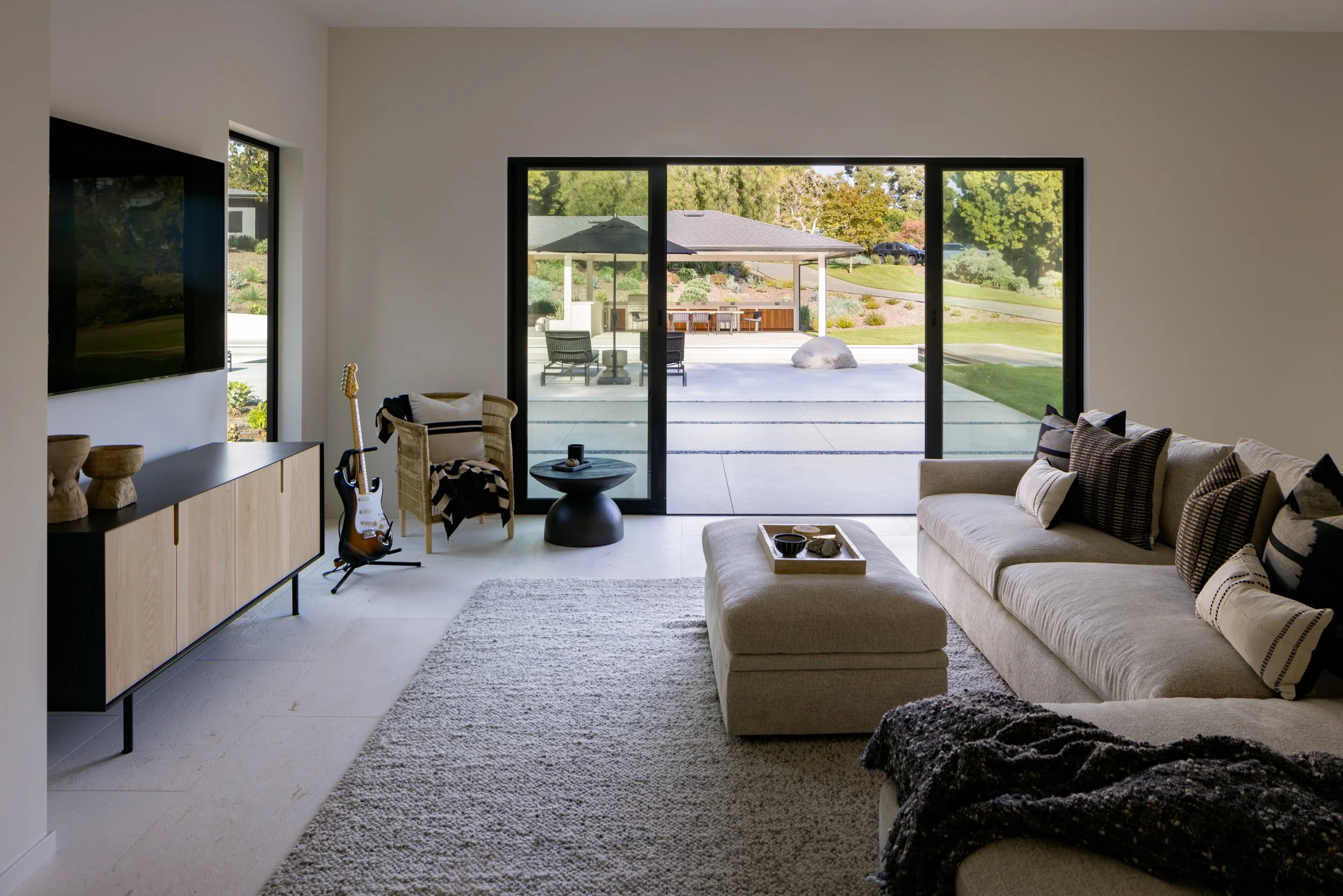
Soft tones, clean lines, and a sense of openness create an environment that feels quiet and intentional. In many Southern California homes, this aesthetic works beautifully with the natural surroundings. Light filled rooms, neutral palettes, and uncluttered surfaces allow architecture and landscape to take center stage.

Luxury minimalism is not about having less for the sake of it. It is about clarity.

Every piece in the room has a purpose. Materials are carefully selected. The overall feeling is one of ease and refinement.

For many of our clients, this approach brings a sense of calm that feels restorative, especially after long days filled with constant input and activity.

At the same time, there is a different kind of beauty found in a home that feels layered.

These are the spaces that feel collected over time. They tell a story. They hold a mix of textures, materials, and pieces that reflect personal history and experience. Layered living often includes natural wood tones, textiles with depth, vintage or artisan elements, and pieces gathered through travel or meaningful moments. The home feels warm, inviting, and deeply personal.

In Southern California, this approach often draws inspiration from global influences, coastal textures, and an indoor outdoor lifestyle that encourages relaxed, lived in spaces. Layering brings character. It creates a home that feels expressive and full of life.

When a home leans too far in either direction, something can feel slightly off. A space that is too minimal can begin to feel stark or unfinished. A space that is overly layered can feel busy or overwhelming. Balance is what allows a home to feel both calm and personal.

We often guide our clients toward a foundation that feels clean and intentional, then layer in warmth through materials, textiles, and carefully chosen pieces. This approach allows the home to feel grounded while still reflecting personality.

There’s no need to fill every corner yet great value in adding depth in a way that feels natural.

The right balance often comes down to lifestyle.

Some clients are drawn to simplicity. They want spaces that feel open, quiet, and easy to maintain. Others are naturally more expressive. They want their home to reflect their travels, their interests, and the layers of their life.

Neither approach is right or wrong.

What matters is that your home supports the way you live. It should feel comfortable, intuitive, and aligned with your daily rhythm. When design reflects your lifestyle, it begins to feel effortless.

In many of our projects we find that the most successful homes blend both approaches.

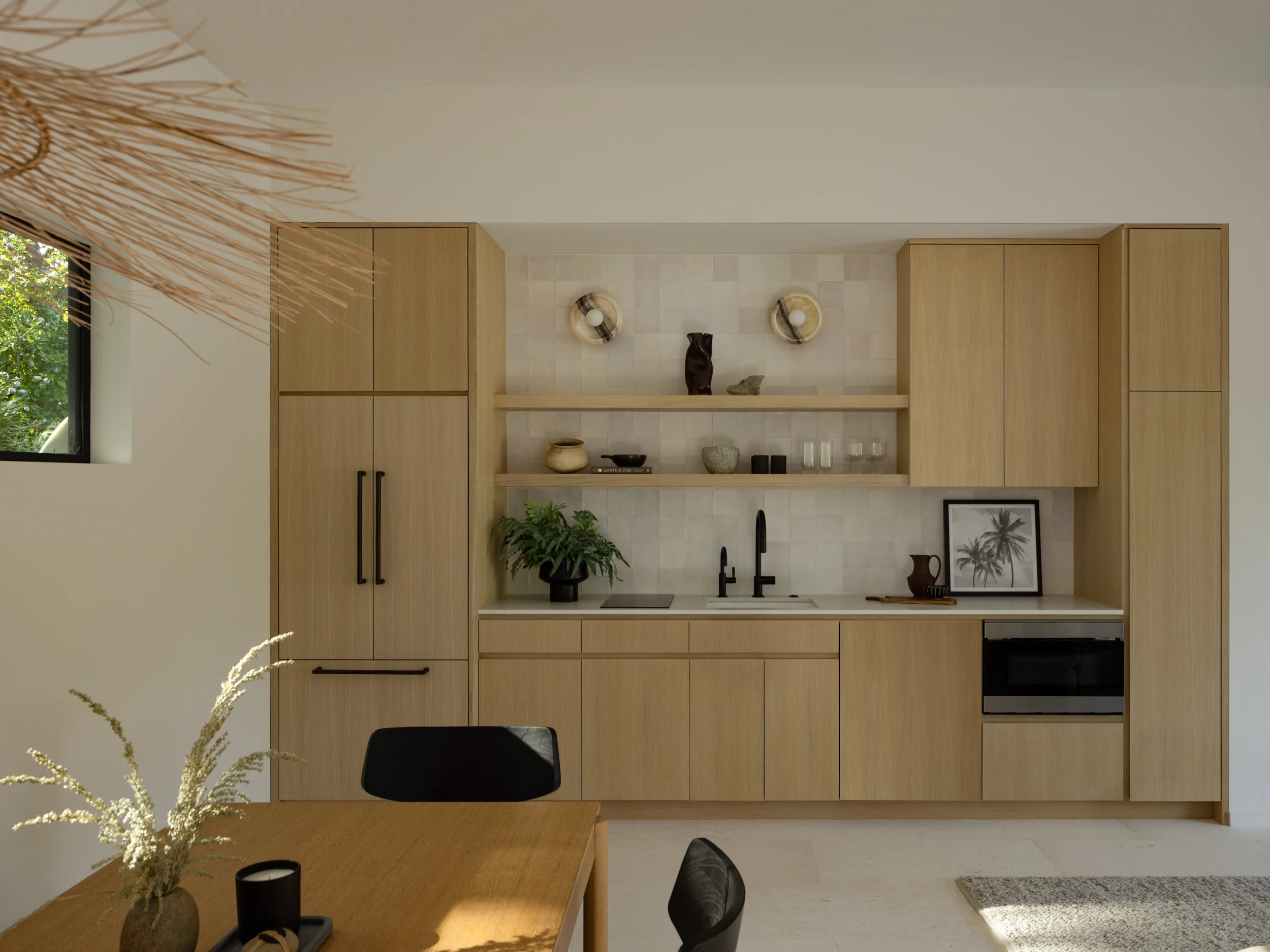
A neutral architectural foundation creates a sense of calm. From there, we introduce layers through texture, lighting, art, and meaningful objects. Natural materials such as wood, stone, and linen help bridge the gap between minimal and layered design, creating a space that feels both refined and inviting.

This balance allows the home to evolve over time. New pieces can be introduced thoughtfully without disrupting the overall harmony of the space.

At Design 4 Corners, we believe your home should feel like a reflection of who you are, not a strict interpretation of a design style.

Whether you are drawn to the simplicity of minimalism, the richness of layered living, or a combination of both, the goal is the same. To create a home that feels calm, personal, and deeply comfortable.

When the balance is right, you feel it immediately. The space feels settled. It feels welcoming. It feels complete in a way that is quiet and lasting. And that is where thoughtful design makes all the difference.

Susanna WardComment
HOW TO DESIGN A SLOWER, MORE INTENTIONAL HOME

How to Design a Slower, More Intentional Home

Creating Space for What Matters Most

Life moves quickly.

Even in a place as naturally beautiful as Southern California, it is easy to fall into a rhythm that feels full, scheduled, and constantly in motion. Days fill up. Homes become a place to pass through rather than a place to truly settle into.

We have seen a growing desire among our clients to shift that feeling. To create homes that invite them to slow down, even in small ways. Spaces that feel calm, grounded, and aligned with how they want to live.

Design has the ability to support that shift.

When a home is created with intention, it begins to guide the pace of everyday life. It encourages quieter mornings, more meaningful connection, and moments of stillness that often go missing in a busy routine.

One of the first steps in designing a slower home is creating space. Not empty space, but thoughtful space.

In many Southern California homes, we find that rooms are often filled beyond what is necessary. Furniture, decor, and layered elements can begin to compete with one another, making a space feel visually busy.

When we step back and edit with intention, something changes. The room begins to feel lighter. There is space for natural light to move. There is room for the eye to rest. This sense of openness allows the home to breathe, and in turn, it allows you to breathe a little deeper within it.

Southern California offers one of the most beautiful design elements we could ask for. Natural light.

When we design with light in mind, we begin to shape the home around the rhythm of the day. Morning light gently fills kitchens and breakfast spaces. Midday light brightens living areas and workspaces. In the evening, softer lighting creates a sense of calm as the day winds down. This natural progression supports a slower, more intentional pace.

Rather than relying on artificial lighting and constant stimulation, the home begins to follow a more organic rhythm. Spaces feel different depending on the time of day, which adds a sense of depth and awareness to how you move through them.

A slower home includes places to pause.

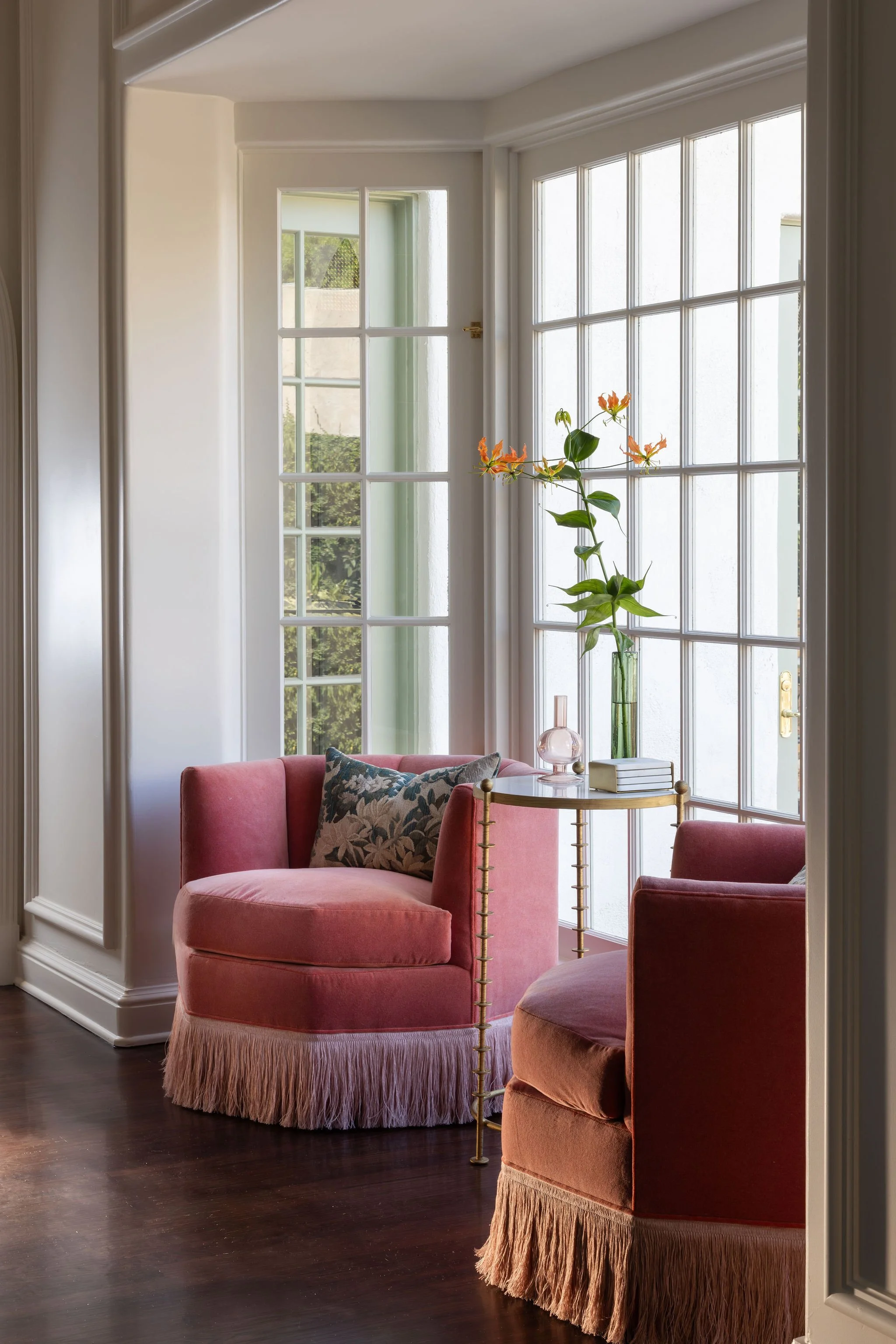
These spaces do not need to be large or elaborate. Often, they are the simplest corners of a home. A comfortable chair near a window. A quiet sitting area tucked away from the main living space. A soft place to read, reflect, or simply be still.

In our projects throughout San Diego, La Jolla, and Rancho Santa Fe, we intentionally carve out these moments within the home. They become personal retreats that support rest and reflection.

Over time, these spaces naturally become part of a daily rhythm. A place for morning coffee. A place to unwind in the evening. A place to step away from the noise of the day.

Intentional design is rooted in thoughtful choices.

Rather than filling a home quickly, we encourage our clients to take their time selecting pieces that feel meaningful and lasting. A well crafted sofa, a dining table that will host years of gatherings, lighting that creates the right atmosphere in the evening. When each piece is chosen with care, there is less need for excess. This approach creates a home that feels collected over time. It allows the design to evolve naturally, rather than feeling rushed or overly curated.

Designing a slower home is not about changing your life overnight. It is about creating an environment that supports the way you want to feel each day.

When your home is calm, intentional, and aligned with your lifestyle, it begins to influence everything else. Mornings feel more grounded. Evenings feel more restorative. Time at home becomes something to look forward to.

At Design 4 Corners, we believe that luxury is not defined by how much a home holds, but by how it makes you feel. A slower, more intentional home creates space for what matters most. And in a world that moves quickly, that kind of space becomes one of the greatest luxuries of all.

Susanna WardComment
THE ART OF EDITING YOUR HOME

THE ART OF EDITING YOUR HOME

What to Keep and What to Let Go

There is a moment that happens in almost every home. It is subtle at first. A room begins to feel a little too full. A corner feels unresolved. Pieces that once felt right no longer quite fit. Nothing is necessarily wrong, but something feels off. We hear this often from our clients. A quiet sense that their home no longer reflects who they are or how they want to live.

And more often than not, the solution is not adding more. It is editing. Editing your home is not about removing everything or starting over. It is about creating space for what truly matters.

Over time, homes naturally collect layers. Furniture from different seasons of life, decor chosen in a moment, pieces that were never quite intentional but found a place anyway. These layers can begin to compete with one another, making a space feel visually heavy or emotionally disconnected.

When we begin a design project, one of the first things we do is step back and look at what is already there. Not everything needs to go. In fact, some of the most meaningful spaces are built around pieces that already hold history. The goal is to refine, not erase.

There is always a reason to keep something. It may be the way a chair feels at the end of a long day. The way a dining table has held years of conversations. The way a piece of art still draws your eye every time you walk into the room. When something feels right, it usually is.

We encourage our clients to pay attention to those instinctive reactions. The pieces that feel grounding, comfortable, and familiar often become the foundation of a well designed home. From there, everything else begins to take shape more naturally.

Letting go can feel more difficult than selecting something new. There is often a story attached. A memory. A sense that something should stay, even if it no longer fits the space or the way you live. But holding onto everything can create a kind of visual noise that is hard to define but easy to feel.

When we guide clients through this process, we focus on clarity rather than perfection. Does this piece support the way you want your home to feel? Does it belong in this space, or has it simply remained out of habit? When something no longer aligns, letting it go creates room for something more intentional to take its place. There is a lightness that comes with that shift.

One of the most common concerns we hear is the fear of a home feeling too minimal or too designed. A well edited home should never feel empty. It should feel layered, personal, and lived in. The difference is that each piece has a purpose and a place. In luxury interior design, we often talk about creating a home that feels collected over time. That sense of ease comes from thoughtful layering, not from filling every corner.

When editing is done well, a room feels balanced. There is space for the eye to rest. There is room for light to move. Each piece feels more intentional because it is not competing with everything around it.

Editing your home is not a one time process. It evolves as you do. As life shifts, your home should shift with you. What worked a few years ago may no longer support your current lifestyle. Spaces that once felt complete may need to be reimagined. This is a natural part of living intentionally.

Rather than viewing your home as something static, it can be seen as something that grows and adapts alongside you. Small changes over time can have a meaningful impact on how your home feels.

At Design 4 Corners, we believe that clarity is one of the most powerful tools in design. When a home has been thoughtfully edited, every detail feels more considered. Materials stand out. Textures feel richer. The overall atmosphere becomes calm and cohesive. It is not about having less. It is about choosing well.

When you walk into a space that has been edited with intention, you feel it immediately. There is a sense of ease. A sense that everything belongs. And that is where design begins to feel effortless.

Susanna WardComment
LIVING INTENTIONALLY AT HOME

living intentionally at home

How Thoughtful Design Shapes the Way You Live Every Day

We have been thinking a lot lately about what it really means to live intentionally.

Not in a perfect, curated way. Not in a way that feels restrictive or overly minimal. But in a way that feels aligned. Thoughtful. Grounded in how you actually want to move through your life.

And more often than not, that conversation leads us back to the home.

Because the spaces we live in quietly shape our daily experience. They influence how we start our mornings, how we connect with our families, and how we unwind at the end of the day. Whether we realize it or not, our homes are always speaking to us.

The question is, what are they saying?

Intentional living begins with clarity. What matters most to you? What do you want more of in your life?

More calm. More connection. More time together. More moments that feel slow and meaningful.

When we design a home, we are not just selecting finishes or furniture. We are translating those values into a physical space. A quiet reading corner can become a daily ritual. A well designed kitchen can invite longer conversations and shared meals. A comfortable living room can bring people together in a way that feels effortless.

When a home reflects your values, it begins to support your life in a very real way.

One of the most overlooked parts of intentional living is what we choose not to keep.

Over time, homes can become filled with pieces that no longer feel aligned. Furniture that does not quite fit, decor that was chosen quickly, rooms that were never fully considered. These elements create visual noise, and that noise often translates into a subtle sense of overwhelm.

Designing intentionally means editing with care. It means choosing pieces that feel meaningful, functional, and connected to the overall vision of the home.

In our projects, we often guide clients through this process gently. Not by removing everything, but by refining. Keeping what matters. Letting go of what does not. Creating space for something more thoughtful to take its place.

There is a sense of calm that comes when a home feels clear and considered.

Every home has a rhythm. Morning light in the kitchen. Afternoon quiet in a sitting room. Evenings spent gathered with family or friends. Intentional design pays attention to these patterns.

We think about how a client moves through their home from the moment they wake up to the moment they wind down. Where do they reach for coffee in the morning? Where do they naturally sit at the end of the day? Which spaces feel underused, and why?

From there, we begin to shape the home around those habits. Furniture placement becomes more intuitive. Lighting becomes softer and more supportive. Spaces begin to feel aligned with the way life actually unfolds.

This is where design moves beyond aesthetics and begins to feel deeply personal.

There is something powerful about walking into a space that feels right. Not just styled, but settled. A home that has been designed with intention has a quiet confidence to it. Nothing feels forced. Nothing feels out of place. The materials feel natural, the colors feel balanced, and the overall atmosphere feels calm.

We often hear clients say that their home finally feels like them. That sense of recognition is what makes a space meaningful. It becomes a place where you can fully relax, fully gather, and fully be yourself.

Intentional living is not about perfection. It is about awareness. It is about making small, thoughtful decisions that shape your environment over time. Your home is one of the most powerful places to begin. When you design with intention, you are creating more than a beautiful space. You are creating a foundation for how you want to live.

At Design 4 Corners, we believe that luxury is not just how a home looks. It is how it feels to live there every day. When a space is aligned with your lifestyle and your values, it supports you in ways that go far beyond design.

It becomes part of your daily practice. And that is where a house begins to feel like home.

Susanna WardComment
THE POWER OF NATURAL LIGHT IN SOUTHERN CALIFORNIA HOMES

The Power of Natural Light in Southern California Homes

Designing Interiors That Feel Bright, Balanced, and Restorative

One of the greatest luxuries we have in San Diego is light.

Southern California is known for its coastal sunshine and clear skies, and that natural light plays a powerful role in the way a home feels. Beyond its beauty, daylight influences mood, sleep quality, and overall well being. For this reason, natural light has become one of the most important elements in luxury interior design.

When we begin designing a home, we study how sunlight moves through the space from morning through evening. The orientation of the home, the size and placement of windows, and the openness of the floor plan all affect how natural light enters and travels through each room. A well designed interior allows that light to move freely, creating spaces that feel vibrant and comfortable throughout the day.

In many luxury homes throughout La Jolla, Del Mar, and Rancho Santa Fe, architecture already provides generous windows and expansive views. Interior design then works to enhance that natural advantage. Thoughtful furniture placement ensures windows remain open and unobstructed. Rooms feel brighter when light can move easily across the space.

Window treatments also influence how light interacts with the home. Sheer linen drapery or woven shades soften direct sunlight while still allowing natural illumination to fill the room. This creates a gentle glow that feels calm and welcoming rather than harsh or overly bright.


Material choices further amplify the effect of natural light. Reflective surfaces such as natural stone countertops, plaster walls, and lightly textured finishes help bounce light across the room. Even subtle details like brushed metals, glass accents, or light toned wood finishes can help distribute brightness throughout a space.

Natural light also works closely with the indoor outdoor lifestyle that defines Southern California homes. Large glass doors, garden courtyards, and outdoor living spaces create a natural extension of the interior. As sunlight flows through these openings, the boundaries between inside and outside begin to soften.

This connection to the outdoors often brings a sense of calm into the home. Views of greenery, ocean horizons, or landscaped gardens create moments of visual rest throughout the day. When natural light interacts with these outdoor elements, the home begins to feel more expansive and peaceful.

Designing with natural light also supports the rhythm of daily life. Morning sunlight energizes kitchens and breakfast areas, while softer afternoon light warms living rooms and gathering spaces. As evening approaches, layered lighting helps the home transition into a relaxed environment for rest.

In luxury interior design, light becomes one of the most powerful design tools available. When a home embraces natural light, the space feels more open, more welcoming, and more connected to the beauty of Southern California.

At Design 4 Corners, we believe natural light should guide the design of a home whenever possible. When interiors are shaped around light, the result is a space that feels balanced, uplifting, and deeply comfortable to live in.

Susanna WardComment
HOW TO CREATE A CALM, RESTORATIVE LUXURY HOME

How To Create a Calm, Restorative Luxury Home

Home should feel like an exhale.

Not just beautiful. Not just impressive. But deeply restorative.

As interior designers in Southern California, we have seen a meaningful shift in how families want to live in their homes. Many of our clients come to us after years of fast paced schedules, travel, and busy households. They want their home to feel grounding. They want a space where mornings begin with ease and evenings feel peaceful.

A calm, restorative home does not happen by accident. It is created through thoughtful interior design that prioritizes comfort, natural materials, balanced layouts, and spaces that support daily life. Wellness interior design has become an important part of luxury homes throughout San Diego, La Jolla, Del Mar, and Rancho Santa Fe because homeowners recognize that their environment influences how they feel each day.

At Design 4 Corners, we approach wellness driven interior design by first understanding how a family truly lives inside their home. Some families need spaces for quiet reflection, reading, or meditation. Others want gathering spaces that encourage connection without feeling crowded or overstimulating. A well designed home allows both moments to exist naturally.

Material selection plays a significant role in creating a restorative environment. Natural textures such as warm woods, limestone, plaster finishes, linen upholstery, and woven textiles introduce softness and depth into a space. These materials bring an organic quality that feels relaxed and authentic. When layered thoughtfully, they create a home that feels warm rather than overly styled.

Color palettes also influence the emotional tone of a home. In many Southern California interiors, we draw inspiration from the surrounding landscape. Soft sand tones, warm whites, muted greens, and gentle earth tones help establish a sense of calm. These colors reflect the coastal environment and create a backdrop that feels timeless and welcoming.

Another essential part of restorative design is spatial flow. When rooms connect naturally and sight lines remain open, a home begins to feel more breathable. Kitchens open to living areas, indoor spaces transition toward outdoor patios, and quiet corners provide places to unwind. The home begins to support both movement and stillness.

Southern California architecture also offers unique opportunities to design homes that feel restorative. Large windows, courtyards, and garden views introduce nature into everyday life. Even small visual connections to greenery or natural light can shift the emotional experience of a room.

Luxury interior design today is less about filling a home with statement pieces and more about shaping an environment that supports well being. When design decisions are guided by intention, the home becomes a place that restores energy rather than draining it.

At Design 4 Corners, we believe a well designed home should nurture the people who live there. A calm and restorative space allows families to reconnect with each other and with themselves. Over time, those quiet daily moments become the most meaningful luxury a home can offer.

Susanna WardComment
CREATING HOMES THAT FEEL COLLECTED NOT DECORATED

CREATING HOMES THAT FEEL COLLECTED NOT DECORATED

Filling your home with meaning rather than objects

The most beautiful interiors tell stories. They reveal the adventures of their owners, the artisans they've discovered, the moments that shaped their aesthetic vision. This is what sets exceptional interior design apart, and honestly, it's what makes our work feel less like decorating and more like storytelling.

At Design 4 Corners, we guide clients toward filling their homes with meaning rather than just objects. That handwoven textile from Oaxaca carries the energy of its maker. You can feel the difference between something created by human hands and something churned out by a factory. The ceramic piece from a local San Diego artist connects you to your community in a way that a mass-produced vase never could. These carefully chosen elements create depth that no catalog can replicate, no matter how expensive.

We've noticed something interesting over the years. Clients who rush to fill their homes sometimes end up feeling disconnected from their spaces. The ones who take their time, who travel and collect pieces that genuinely move them, who wait for the right artist or the perfect vintage find? Those are the homes that feel alive. Those are the spaces that get better with time instead of feeling dated after a few years.

We believe the ultimate luxury of interior designs requires understanding the balance between timeless elegance and personal expression. We help you curate spaces that feel intentional without looking styled, if that makes sense. You know those magazine shoots where everything is so perfect it looks like no one actually lives there? That's not what we're after. We want your home to look thoughtfully composed but feel completely livable.

Natural materials like wood, stone, and clay ground your environment. They connect you to the earth in a way that synthetic materials simply can't. Layered textures from different cultures create visual richness. A Moroccan rug paired with California pottery and a vintage Indonesian bench shouldn't work in theory, but when each piece is chosen with intention, the whole composition feels cohesive. Every piece serves both beauty and purpose.

This approach to interior design means taking time. Your home evolves as you evolve. We encourage collecting meaningful objects during your travels. Visit that pottery studio you passed three times on your trip to Mexico. Commission a piece from the woodworker whose work stopped you in your tracks at the farmers market. Source from artisans who honor craftsmanship, who put care into every detail. Build your space gradually with pieces that genuinely move you, that make your heart skip a little when you see them.

The result is a home that feels authentically yours, a sanctuary that reflects your journey and supports the life you're living today. Not the life Instagram says you should be living, but your actual, beautiful, messy, real life.

We've been designing homes throughout Southern California and beyond for years now, working with clients who value substance over trends, meaning over magazine-worthy moments. If that sounds like you, if you're ready to create a space that tells your story rather than someone else's, we should talk.

Let's explore what your home could become.

Susanna WardComment
LUXURY INTERIOR DESIGN FOR SOUTHERN CALIFORNIA LIVING

DESIGN THAT EMBRACES SOPHISTICATION AND EASE

Exploring indoor-outdoor living as a way of life

San Diego's unique climate and culture call for interior design that embraces both sophistication and ease. At Design 4 Corners, we specialize in creating luxury homes throughout California that honor our connection to the natural world.

Indoor-outdoor living isn't just a trend here; it's a way of life. Your Southern California home should blur the boundaries between interior comfort and exterior beauty. We think about how air moves through your space, not just how it looks. Strategic window placement captures those ocean breezes that make California living so special. Material choices reflect the landscape around you. Every design decision considers how your space breathes with its surroundings.

There's something about San Diego that changes how people want to live. Maybe it's the year-round sunshine or the way the Pacific feels close even when you're miles inland. Whatever it is, we see clients who've traveled the world and chosen to plant roots here because of that California ease. They want homes that feel as effortless as a weekend morning, as thoughtful as their favorite global destinations.

We work with clients across San Diego County who want their homes to feel both worldly and deeply personal. Maybe you're drawn to the laid-back elegance of California coastal design. Perhaps your travels through Asia and Europe have shaped your aesthetic sensibilities. That month you spent in Bali taught you something about the way natural materials can ground a space. Your time in the Mediterranean showed you how light can transform a room throughout the day. Wherever your inspiration comes from, we help you integrate it authentically into your California home.

Luxury interior design in California means more than expensive finishes. It means thoughtful material selections that age beautifully rather than looking worn. It means spatial planning that supports how your family actually lives, not how you think you should live. It's about details that surprise and delight without demanding attention. Comfort that never compromises on style. The kind of spaces where you can host an elegant dinner party on Saturday and sprawl on the sofa with your kids on Sunday, and both feel exactly right.

Your San Diego home deserves design that works as beautifully as it looks, creating daily experiences that feel effortless and inspiring. When you walk through your front door after a long day, you should feel your shoulders drop. When you wake up in the morning, your space should make you want to linger over coffee rather than rush out the door. This is what we mean by functional luxury.

We've spent years designing homes throughout Southern California, from beachfront properties to hillside retreats, and what we've learned is this: the most successful spaces are the ones where beauty serves life, not the other way around. Where every choice supports how you actually want to live.

If you're ready to create a home that feels like the best version of yourself, we'd love to hear your story. Book a consultation and let's talk about the space you're dreaming of.

Susanna WardComment