
WHY YOUR HOME MIGHT FEEL OFF AND HOW TO FIX IT THROUGH DESIGN
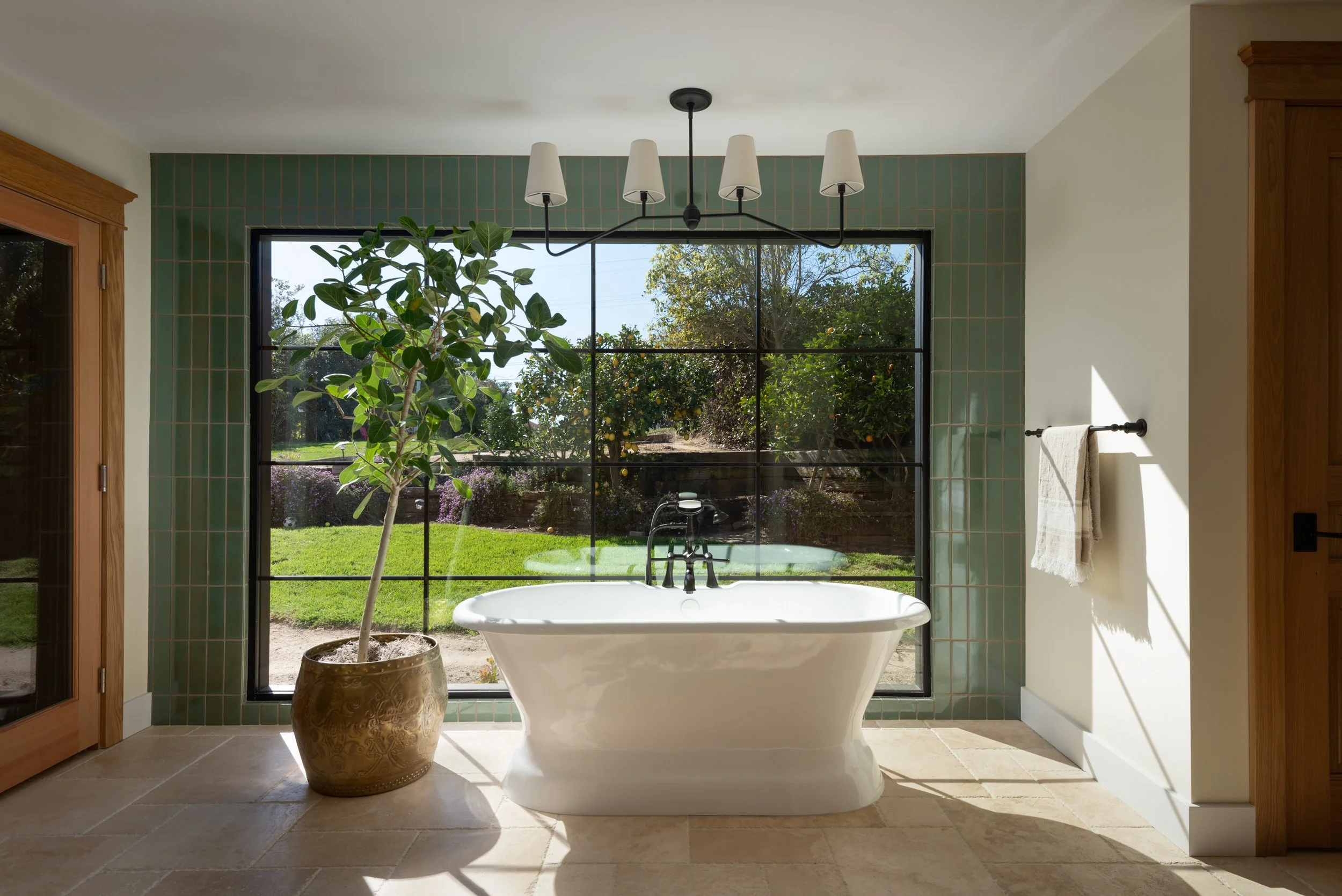
Why Your Home Might Feel Off and How to Fix It Through Design
The Emotional Side of Interior Design That People Rarely Talk About
Sometimes a home can look beautiful on paper and still not feel quite right.
The furniture may be expensive. The finishes may be polished. Everything technically works. And yet, there is a subtle feeling that something is missing. The rooms feel disconnected. Certain spaces go unused. The home never fully settles into the calm, welcoming environment you hoped it would become.
We hear this from clients often, even in homes that are objectively beautiful.
There is usually a moment during the design process when someone says, “I just want my home to feel better.”
That feeling is rarely about needing more space or more things. More often, it comes from the emotional experience of living inside the home every day. Our environment affects us deeply. The way a room flows, the amount of visual stimulation we absorb, the lighting, the layout, and even the energy of certain spaces all influence how we feel without us always realizing it.
Thoughtful interior design has the ability to shift that experience entirely.
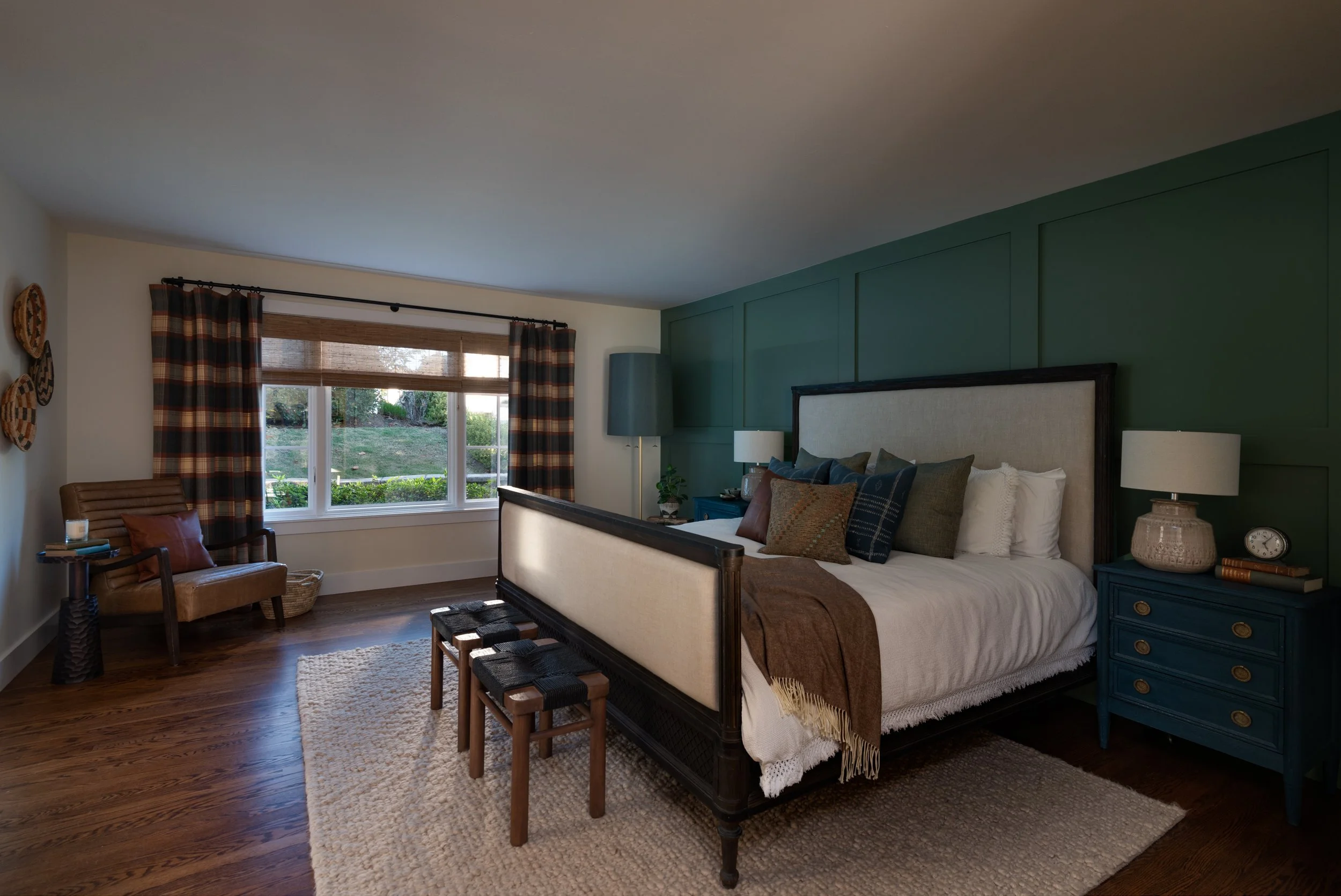
Homes evolve over time, just like people do.
Furniture gets added gradually. Rooms are designed for one season of life and then carried into another. Priorities change. Families grow. Children leave home. Work schedules shift. What once felt aligned may no longer support the way you actually live.
One of the most common reasons a home begins to feel off is because it no longer reflects your current lifestyle or values.
A room that once felt formal and impressive may now feel uninviting. A layout that worked years ago may no longer support how your family gathers today. Spaces that should feel grounding instead begin to feel visually noisy or emotionally disconnected. The home starts asking something from you rather than supporting you.
That disconnect often creates a low level sense of tension that is difficult to define but easy to feel.
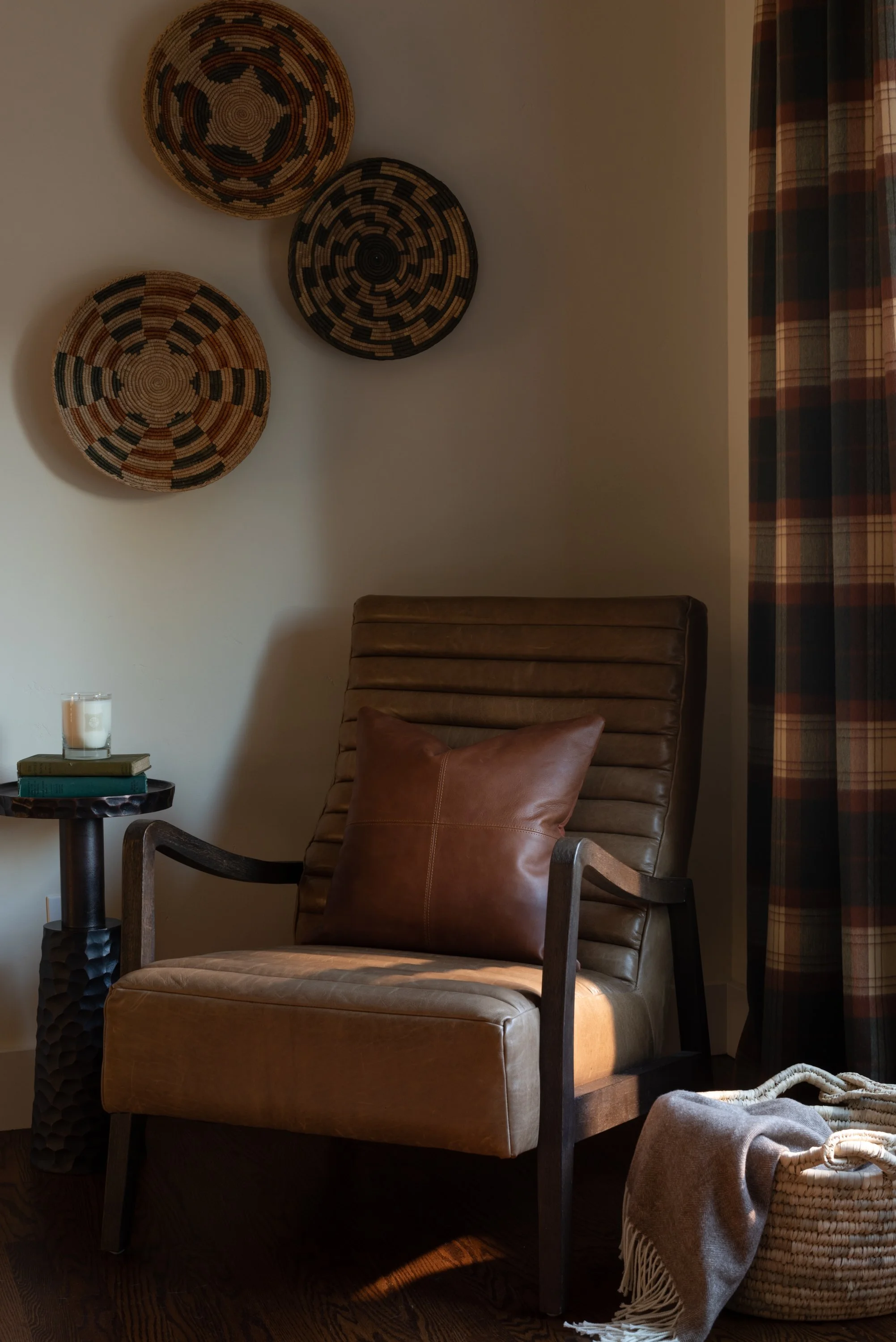
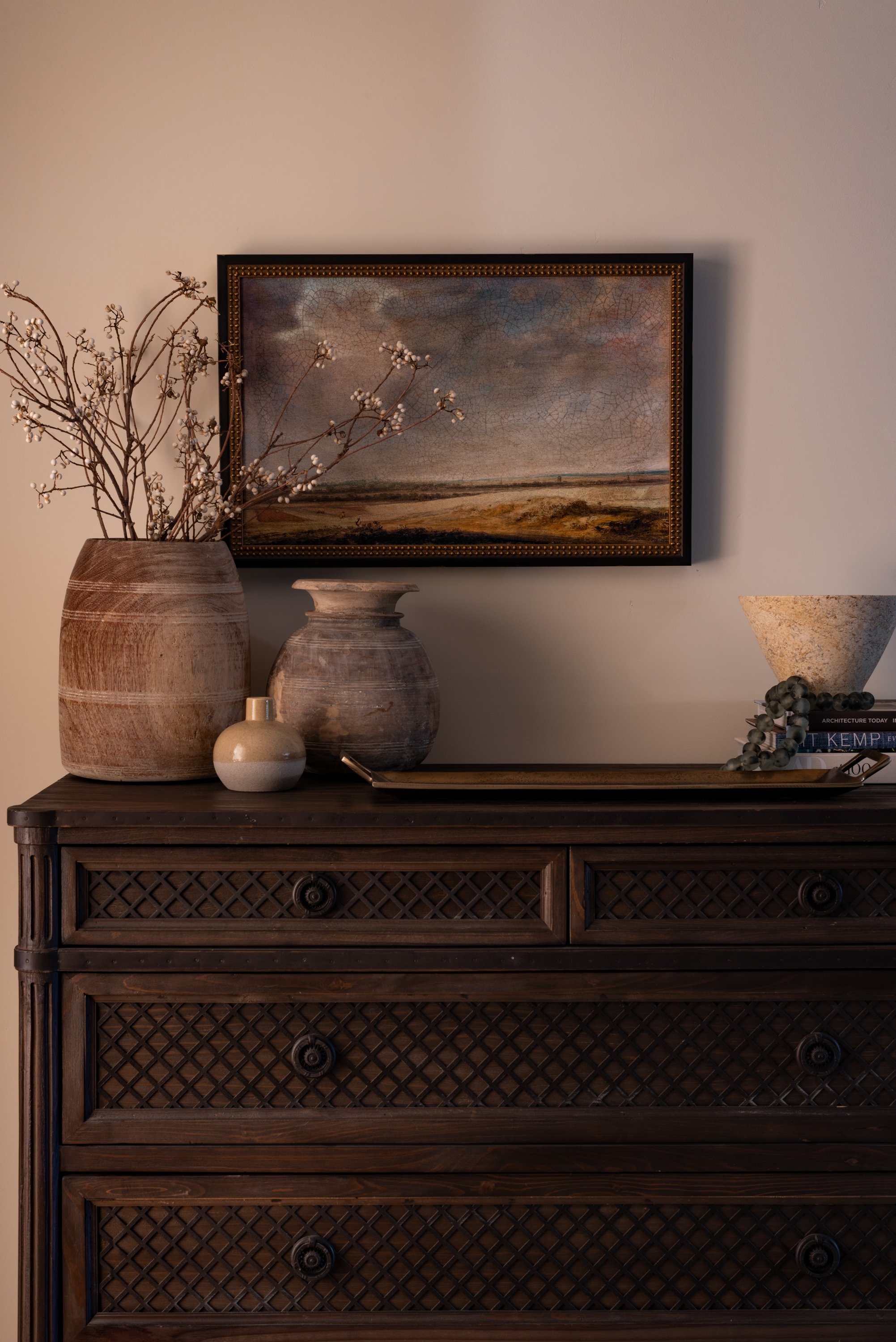
One of the biggest contributors to this feeling is overstimulation.
When every surface is filled, when rooms lack cohesion, or when furniture and decor compete for attention, the nervous system absorbs that information constantly. Even beautiful objects can begin to feel overwhelming when there is no visual balance.
This does not mean a home should feel minimal or empty. In fact, some of the most luxurious homes feel deeply layered and personal. The difference is intentionality. A well designed home allows the eye to rest.
There is rhythm between textures, materials, lighting, and furnishings. There is enough openness for natural light to move through the space. Pieces feel connected rather than crowded together. Editing becomes just as important as designing.
Sometimes fixing a home is not about adding more. It is about refining what is already there and creating clarity around what truly belongs in the space.
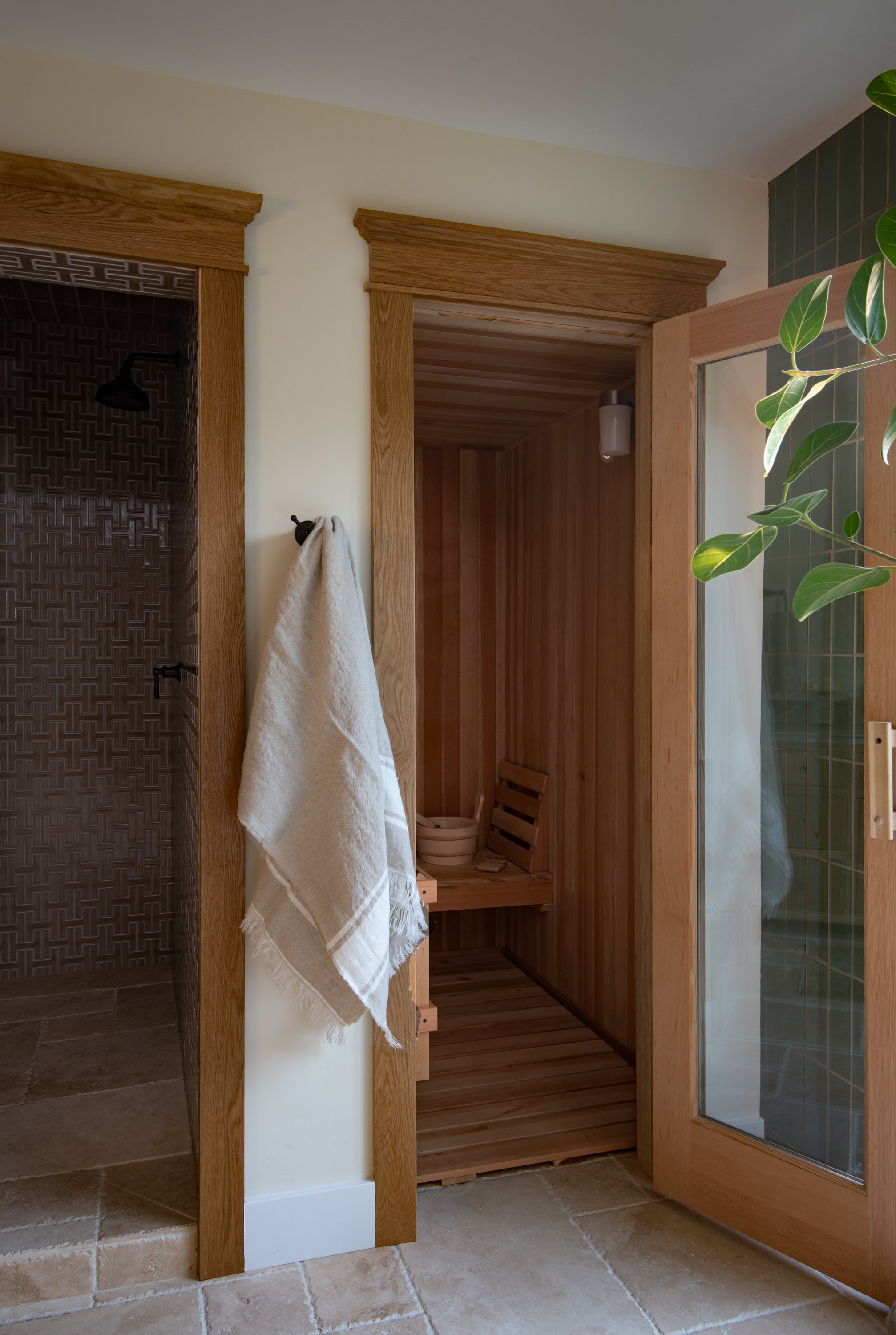
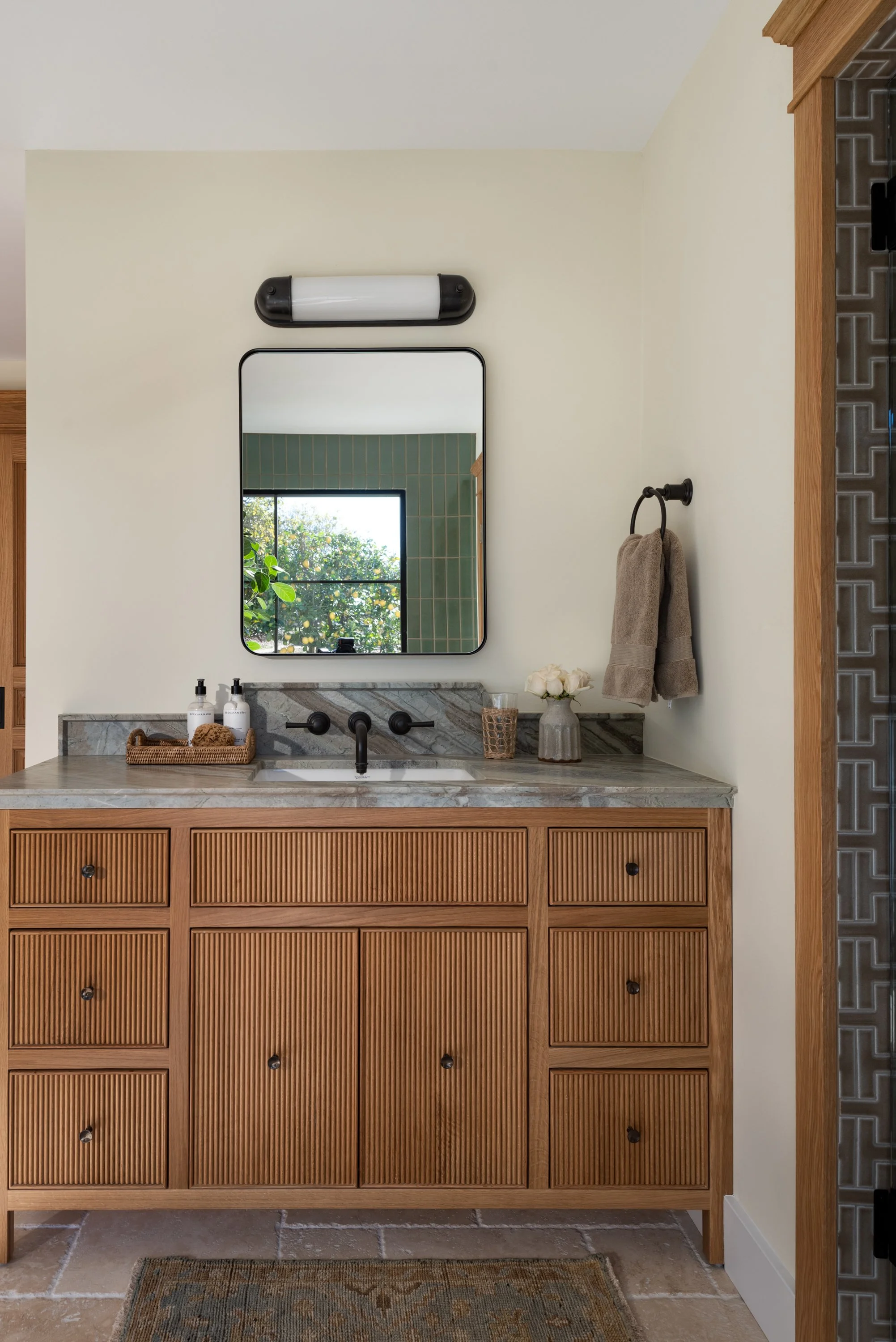
Another reason homes feel emotionally unsettled is poor flow. Flow is not only about architecture. It is about how daily life moves through a space.
Do people naturally gather in the kitchen, or does the layout create separation? Is there a comfortable place to unwind at the end of the day? Do rooms feel connected to one another emotionally, or do they feel fragmented? When flow is working well, a home begins to feel intuitive. You move through it naturally. The space supports your routines instead of interrupting them.
Thoughtful interior design considers these daily rhythms carefully. Where natural light enters in the morning. Which rooms need softness and quiet. Where connection happens most naturally. The emotional experience of a home often comes down to these subtle details.
One of the most important questions in interior design is rarely asked enough. How do you want your home to feel? Not just how you want it to look. Do you want it to feel calm? Restorative? Welcoming? Grounded? Collected? Peaceful enough that you can fully exhale when you walk through the door? These emotional goals shape design decisions in powerful ways.
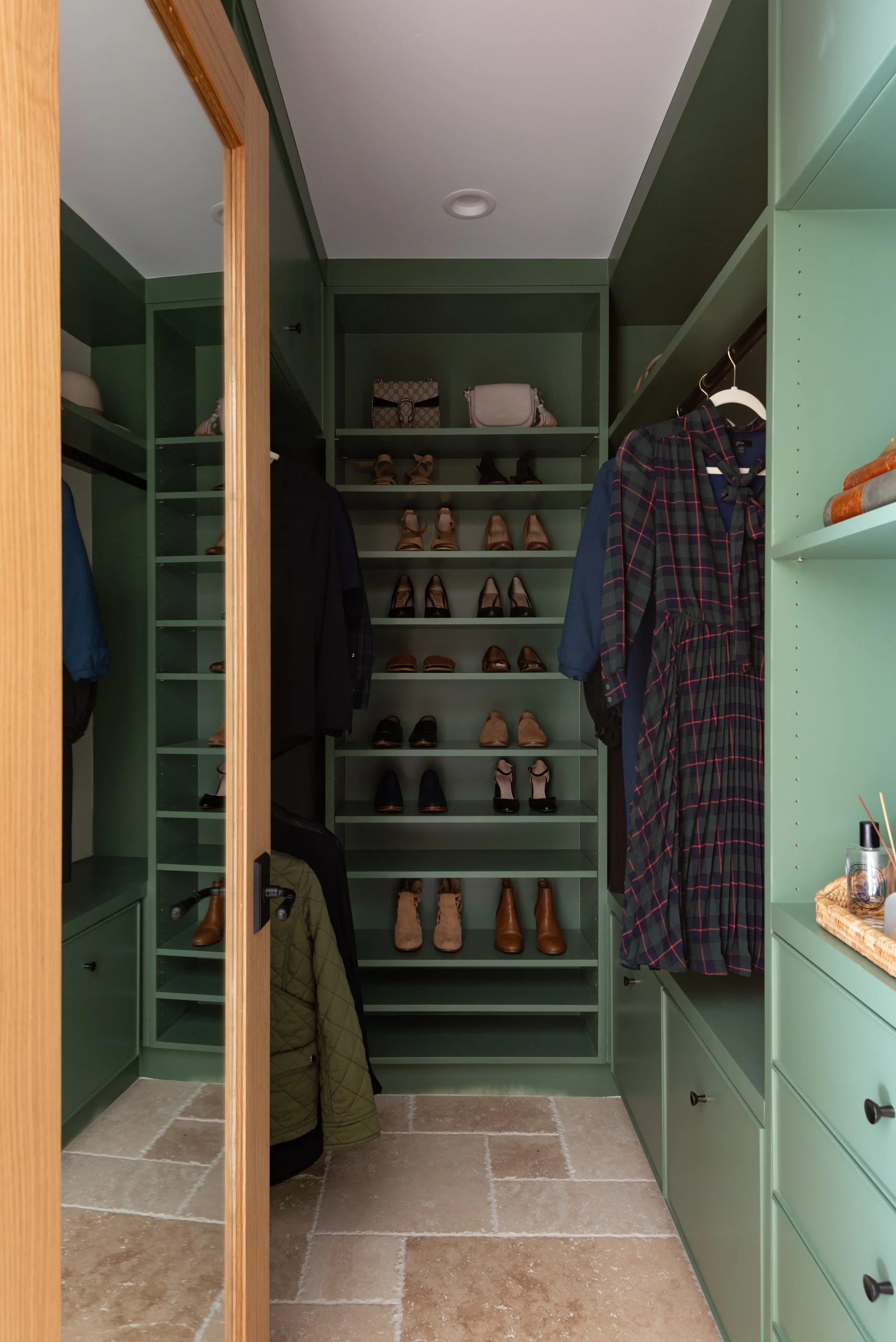
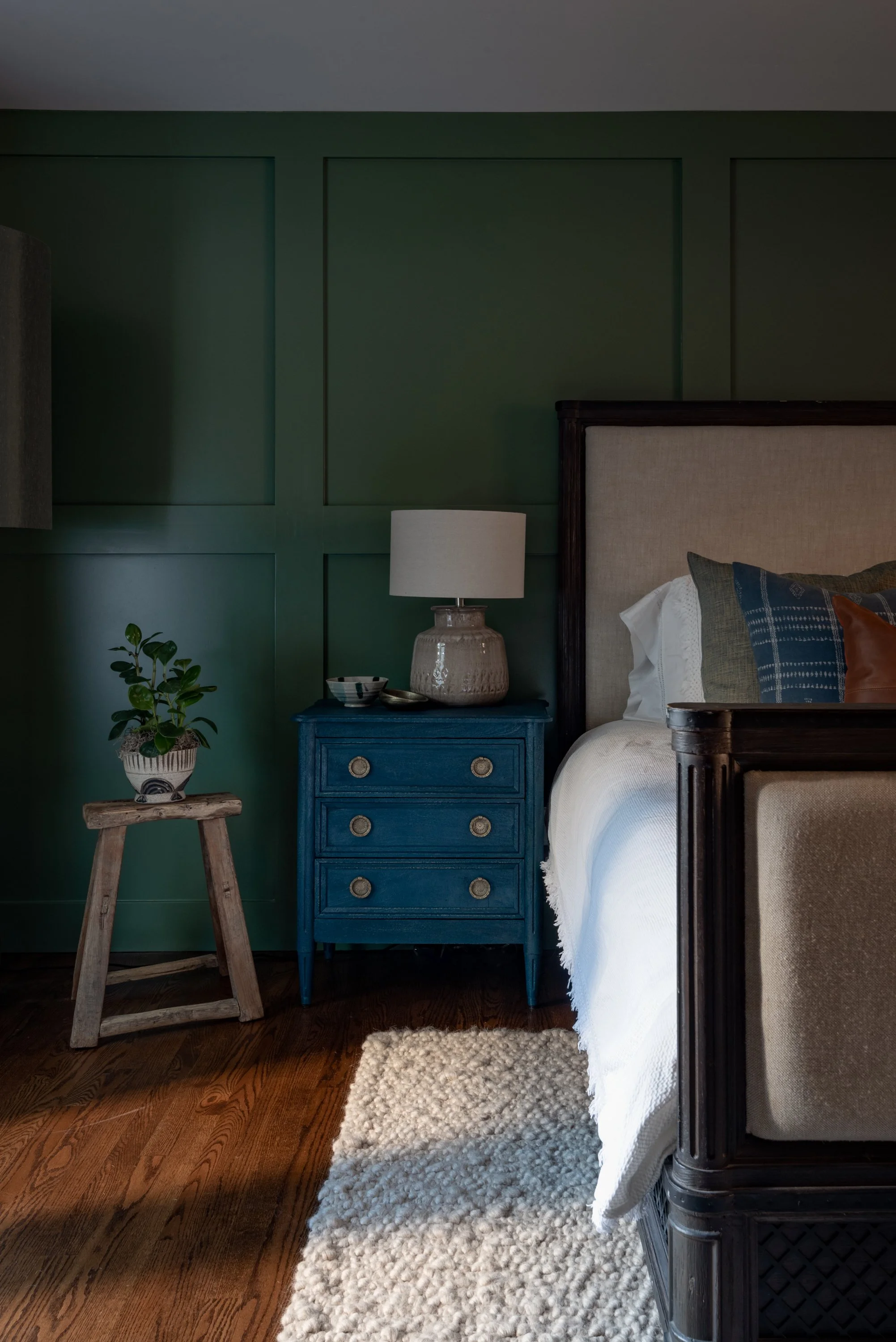
Natural materials such as wood, stone, linen, and plaster introduce warmth and texture. Softer color palettes create visual calm. Comfortable seating arrangements encourage connection rather than formality. Layered lighting helps the home transition naturally from day to evening. Even the smallest changes can dramatically shift the atmosphere of a room.
A home begins to feel different when design decisions are rooted in intention and feel meaningful. Spaces that create ease rather than excess. This shift is one of the most significant changes happening in luxury interior design today.
People want kitchens where family naturally gathers. Bedrooms that genuinely support rest. Living rooms that feel warm enough for everyday life while still feeling elevated and refined. They want homes that feel personal. The most luxurious spaces are often the ones that feel effortless because every detail has been considered thoughtfully.
At Design 4 Corners, we believe great design goes beyond aesthetics. A home should support the people living inside it emotionally as much as visually. It should reflect your values, your routines, your relationships, and the way you want to experience daily life. When a home feels off, there is usually a reason. And more importantly, there is usually a solution.
Through thoughtful editing, intentional design, natural materials, layered textures, and spaces designed around real life, a home can begin to feel balanced again. Calm returns. Connection deepens. The space begins to feel like an extension of who you are rather than something separate from it.
Because beautiful design is not simply about creating a home that looks good. It is about creating a home that feels right.