
EMPTY SPACE AS A DESIGN CHOICE
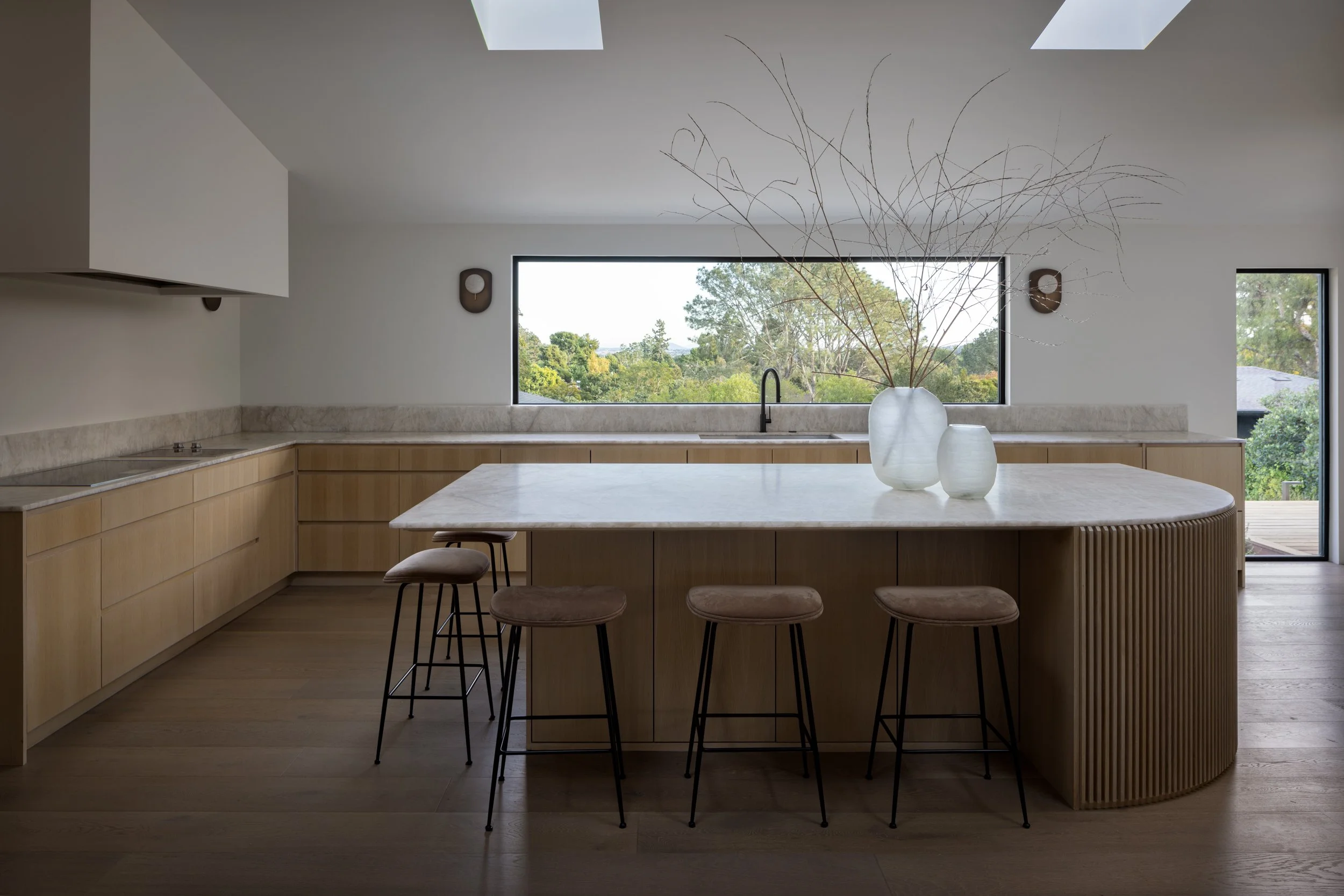
EMPTY SPACE AS A DESIGN CHOICE
What The Space Between Things Can Teach Us About Intentional Design
If you've ever visited a small tea house outside Kyoto, you'll notice something before you notice any single object in the room. It isn't the scroll hanging on one wall, or the low table, or the patch of afternoon light spread across the tatami mat. It's the room itself, and more specifically, everything the room has chosen not to contain, with nothing competing for your attention.
There's a word for this in Japanese design: ma. It roughly translates to "negative space" or "the space between things," though that definition undersells what it actually means in practice. Ma isn't simply an absence of stuff. It's a deliberate pause that gets treated with the same care as any object placed in the room, a kind of quiet partner to everything around it.
Most people fill a space instead of designing It
Most people decorate by addition, reaching for something new every time a space feels unfinished. A blank wall seems to need art. An empty corner seems to need a plant or a shelf. A calm room seems to need a television playing in the background just to feel lived in. Rarely does anyone stop to ask whether the emptiness itself might already be doing something useful.
In traditional Japanese design, the gap between objects, or between sounds in music, or between words in conversation, is considered essential to the whole, not a problem waiting to be solved. That gap gives everything else room to be noticed and appreciated on its own terms. A single flower placed in a large vase reads as intentional and considered, while ten flowers crowded into that same vase can read as clutter, even if every individual flower is beautiful.
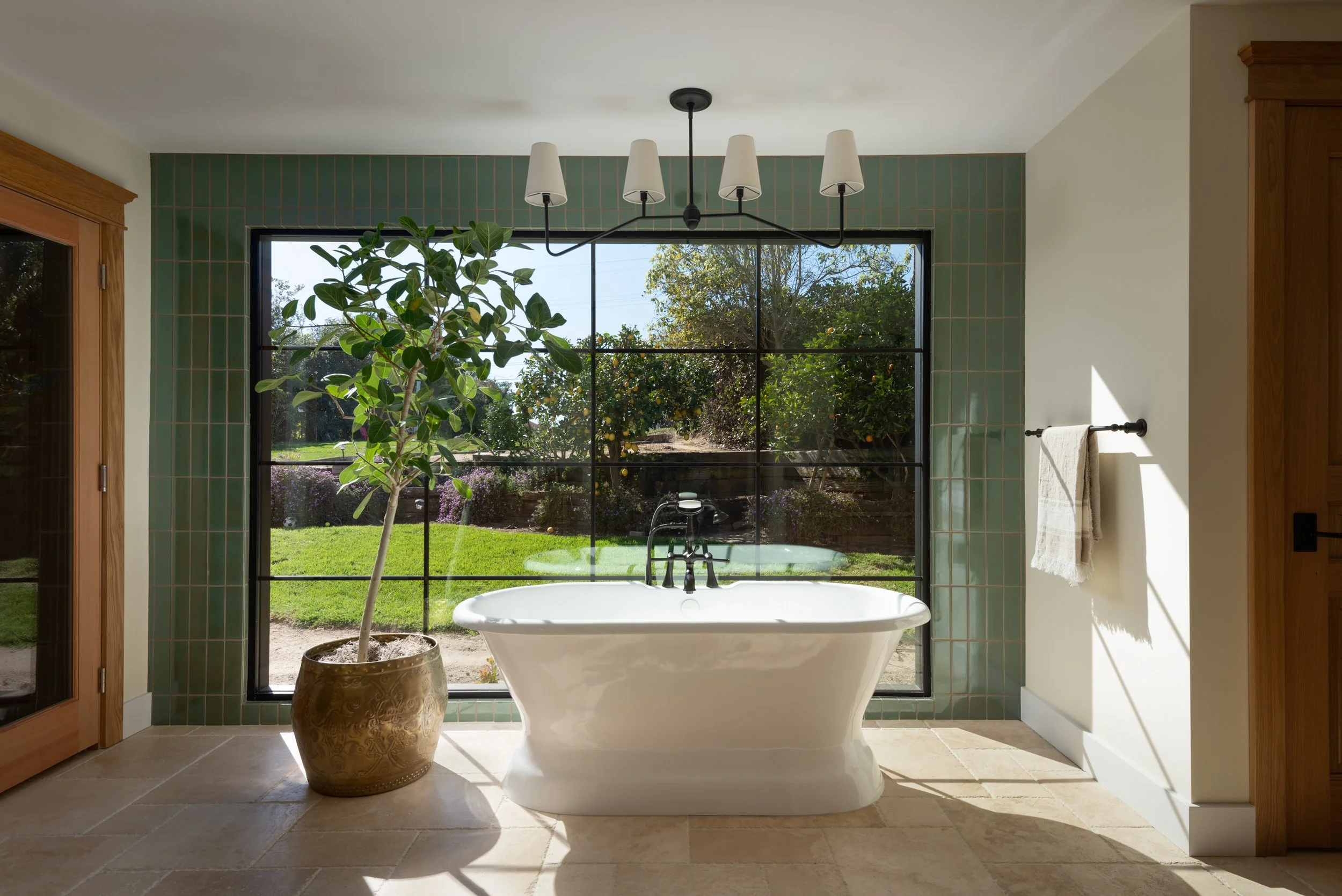
You don't need a minimalist house or a generous budget to borrow this idea, since it starts with restraint in small, everyday decisions rather than a full renovation.
Try leaving one wall in a room bare for now, and see how it feels after a week or two. Let a shelf hold three objects instead of twelve, and notice whether the room breathes differently once it isn't packed. Pay attention to how a space feels when you remove one piece of furniture rather than automatically adding one to fill a gap. The goal isn't to strip a room down to nothing just for the sake of minimalism.
It's to ask what each object is actually contributing, and to trust that the empty space around it is carrying some of that weight too.
The Same Idea Applies Beyond Furniture
Once you start noticing ma in a room, it becomes hard to unsee it everywhere else in life. You might notice it in a calendar that has breathing room between meetings instead of being packed back to back, or in a conversation where someone lets a pause sit instead of rushing to fill it with more words. You might notice it in a meal built around one dish made well, rather than five dishes thrown together in a hurry.
Intentional design was never only about what you choose to include in a space. It's just as much about what you're willing to leave out, and about trusting that the space left behind is doing real work of its own.