
THE SUNDAY RESET
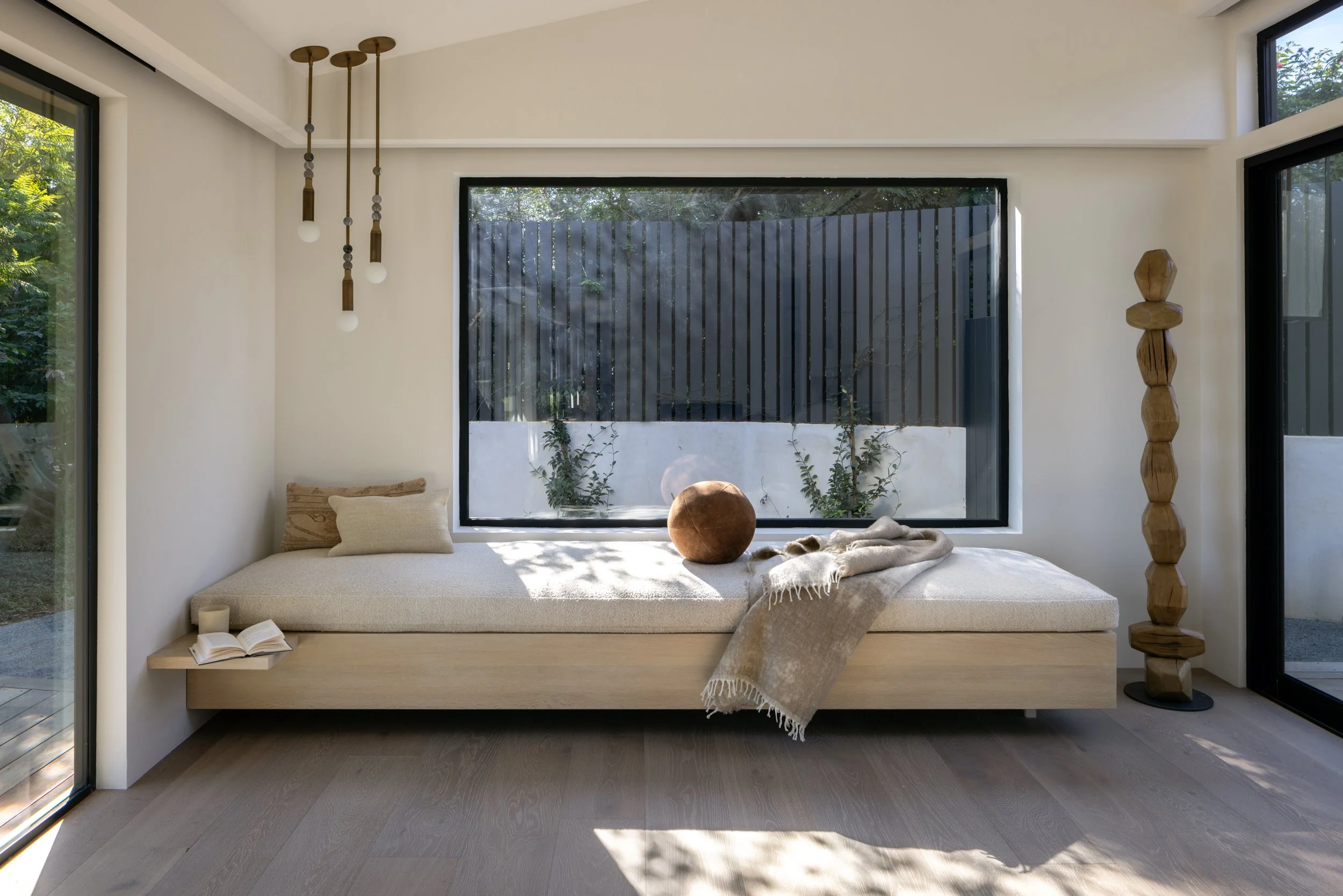
THE SUNDAY RESET
Why One Slow Hour Can Beat a Whole Productive Weekend
If you've ever treated a weekend like a to-do list with better lighting, you know the feeling. Grocery run, laundry, errands, maybe a workout crammed in before the guilt sets in. By Sunday night you feel like you survived the weekend rather than lived it, and Monday arrives before you've had a chance to catch your breath.
Some people have found a different way through, built around a single Sunday hour. Same time each week, that hour is reserved for nothing but resetting. A candle gets lit, the kitchen table gets cleared, three things for the week ahead get written down, and the phone gets put away in a drawer for the duration. There's no productivity app involved and no color coded planner, just one protected hour.
If you tried this yourself, the first few weeks might feel strange, almost like you were getting away with something you hadn't earned. But somewhere around the fourth or fifth Sunday, you'd likely notice that the rest of your week started to feel different too, not because you accomplished more, but because you had already decided in advance what actually mattered.

Most people don't lack rest so much as they lack recovery, the kind that comes from choosing stillness on purpose rather than collapsing into it once the energy runs out. A Sunday hour works precisely because it's scheduled ahead of time instead of scavenged from whatever is left over at the end of a long day.
There's a real difference between falling onto the couch at nine at night because you're depleted, and sitting down at four in the afternoon because you decided in advance that this was the hour for slowing down. The first is a retreat from exhaustion. The second is a ritual you chose on purpose.
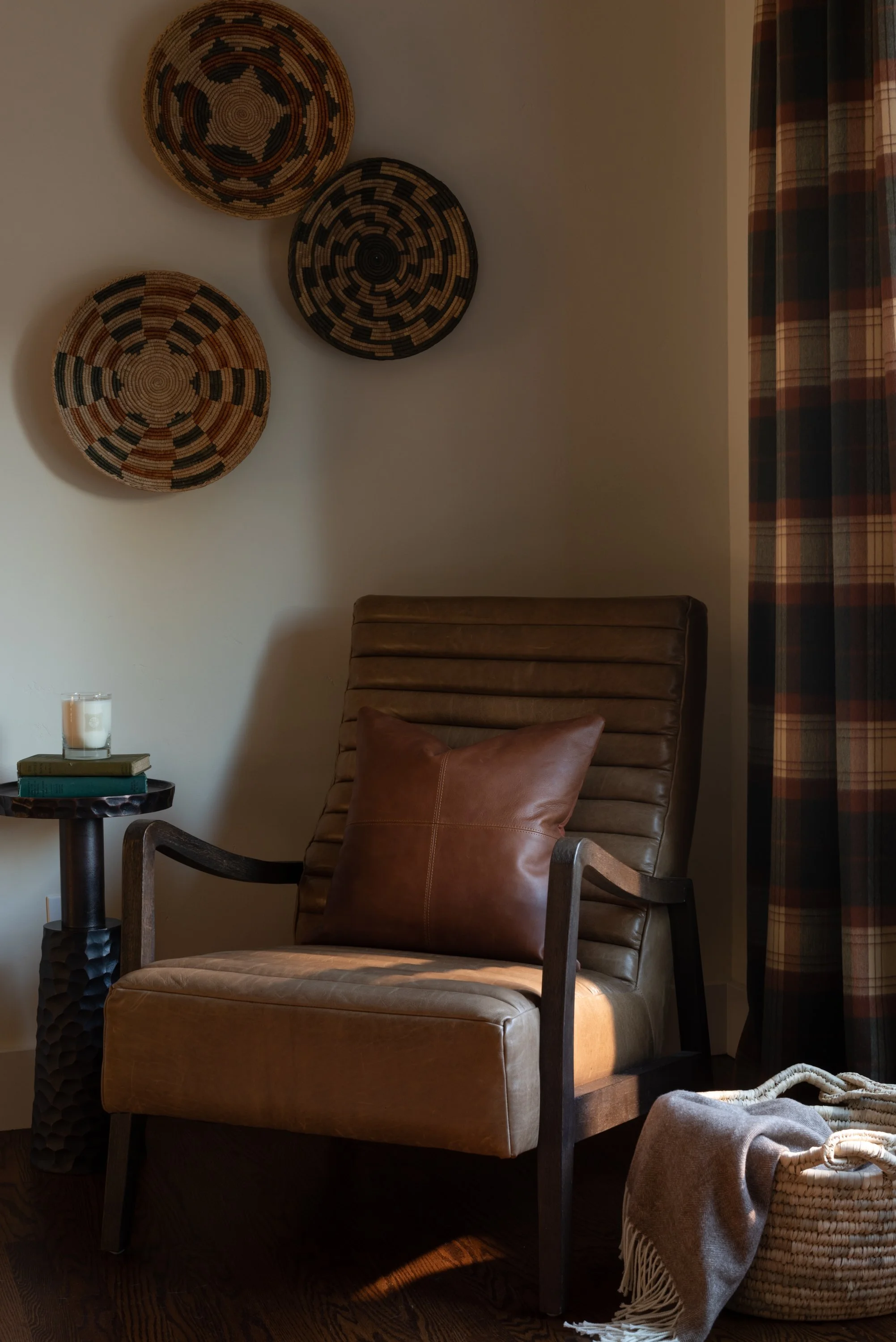
Nothing dramatic tends to happen, and that's part of the point. Some weeks call for writing in a notebook, and other weeks call for simply sitting with tea and looking out the window for a while. Occasionally the hour gets spent planning meals, mostly because thinking about dinner on a Tuesday night in the middle of a busy day is a special kind of misery worth avoiding in advance.
The content of the hour matters less than the commitment behind it. It functions less like a task on a list and more like a boundary, a small piece of time set apart on purpose and protected from everything else that wants to creep into it.
If you want to try this yourself, there's no need to overthink the format. Pick a day and an hour, then protect it the way you'd protect a meeting with someone you deeply respect. Put your phone somewhere else in the house. Resist the urge to turn the hour into another task to check off.
The goal was never to optimize your weekend down to the last minute. It's to remember, once a week, what it actually feels like to not be behind on anything at all.