
LIVING INTENTIONALLY AT HOME
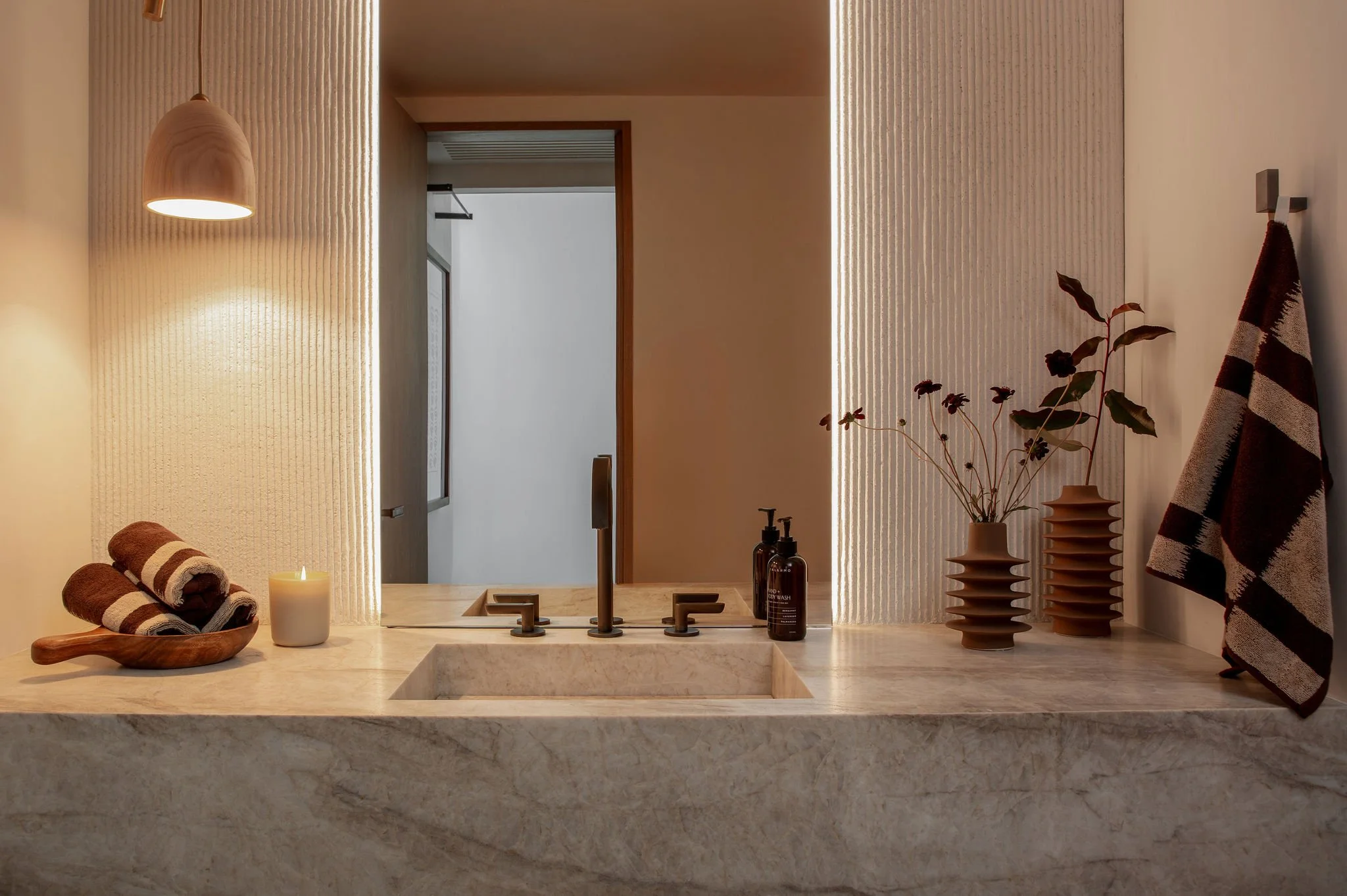
living intentionally at home
How Thoughtful Design Shapes the Way You Live Every Day
We have been thinking a lot lately about what it really means to live intentionally.
Not in a perfect, curated way. Not in a way that feels restrictive or overly minimal. But in a way that feels aligned. Thoughtful. Grounded in how you actually want to move through your life.
And more often than not, that conversation leads us back to the home.
Because the spaces we live in quietly shape our daily experience. They influence how we start our mornings, how we connect with our families, and how we unwind at the end of the day. Whether we realize it or not, our homes are always speaking to us.
The question is, what are they saying?

Intentional living begins with clarity. What matters most to you? What do you want more of in your life?
More calm. More connection. More time together. More moments that feel slow and meaningful.
When we design a home, we are not just selecting finishes or furniture. We are translating those values into a physical space. A quiet reading corner can become a daily ritual. A well designed kitchen can invite longer conversations and shared meals. A comfortable living room can bring people together in a way that feels effortless.
When a home reflects your values, it begins to support your life in a very real way.
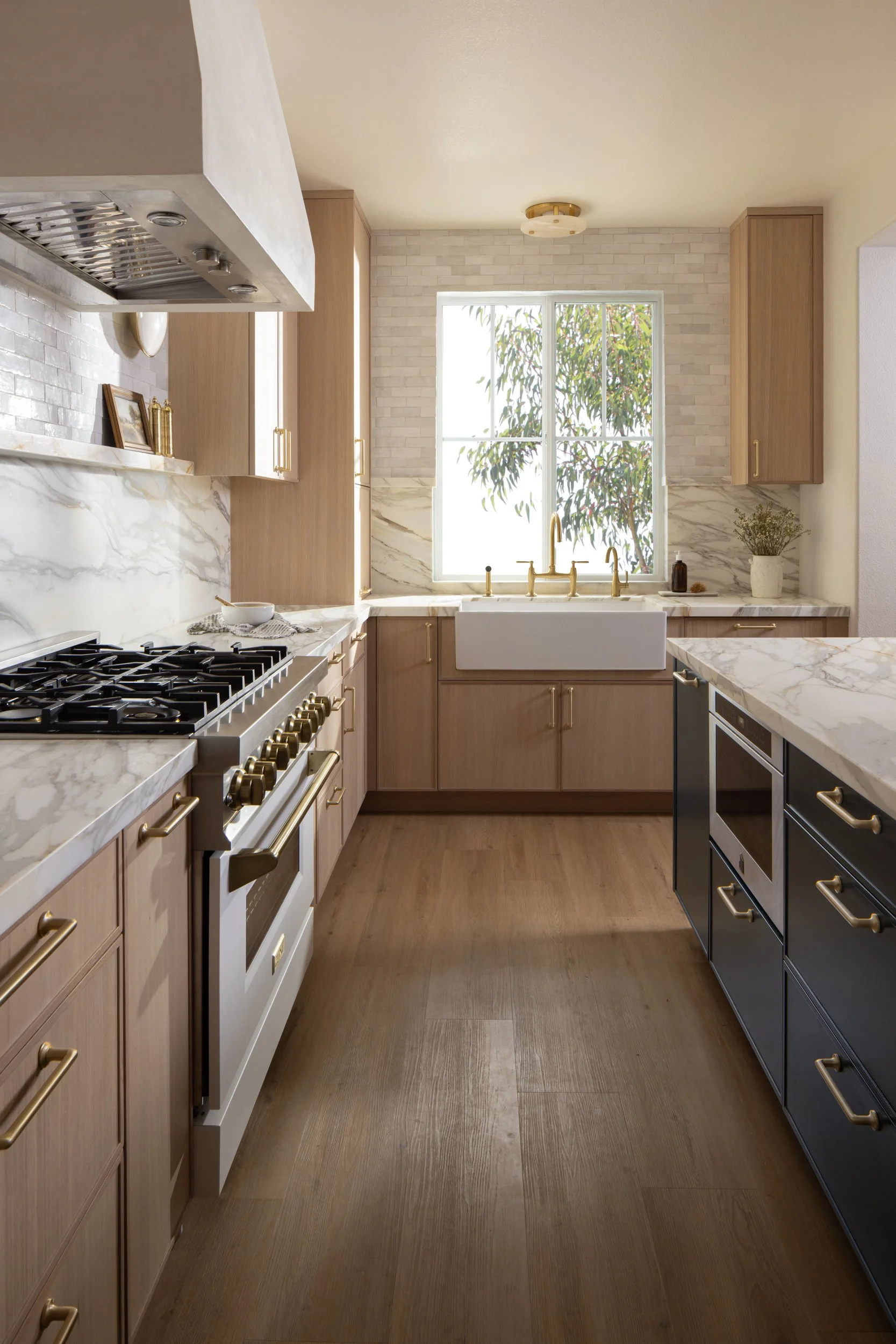

One of the most overlooked parts of intentional living is what we choose not to keep.
Over time, homes can become filled with pieces that no longer feel aligned. Furniture that does not quite fit, decor that was chosen quickly, rooms that were never fully considered. These elements create visual noise, and that noise often translates into a subtle sense of overwhelm.
Designing intentionally means editing with care. It means choosing pieces that feel meaningful, functional, and connected to the overall vision of the home.
In our projects, we often guide clients through this process gently. Not by removing everything, but by refining. Keeping what matters. Letting go of what does not. Creating space for something more thoughtful to take its place.
There is a sense of calm that comes when a home feels clear and considered.
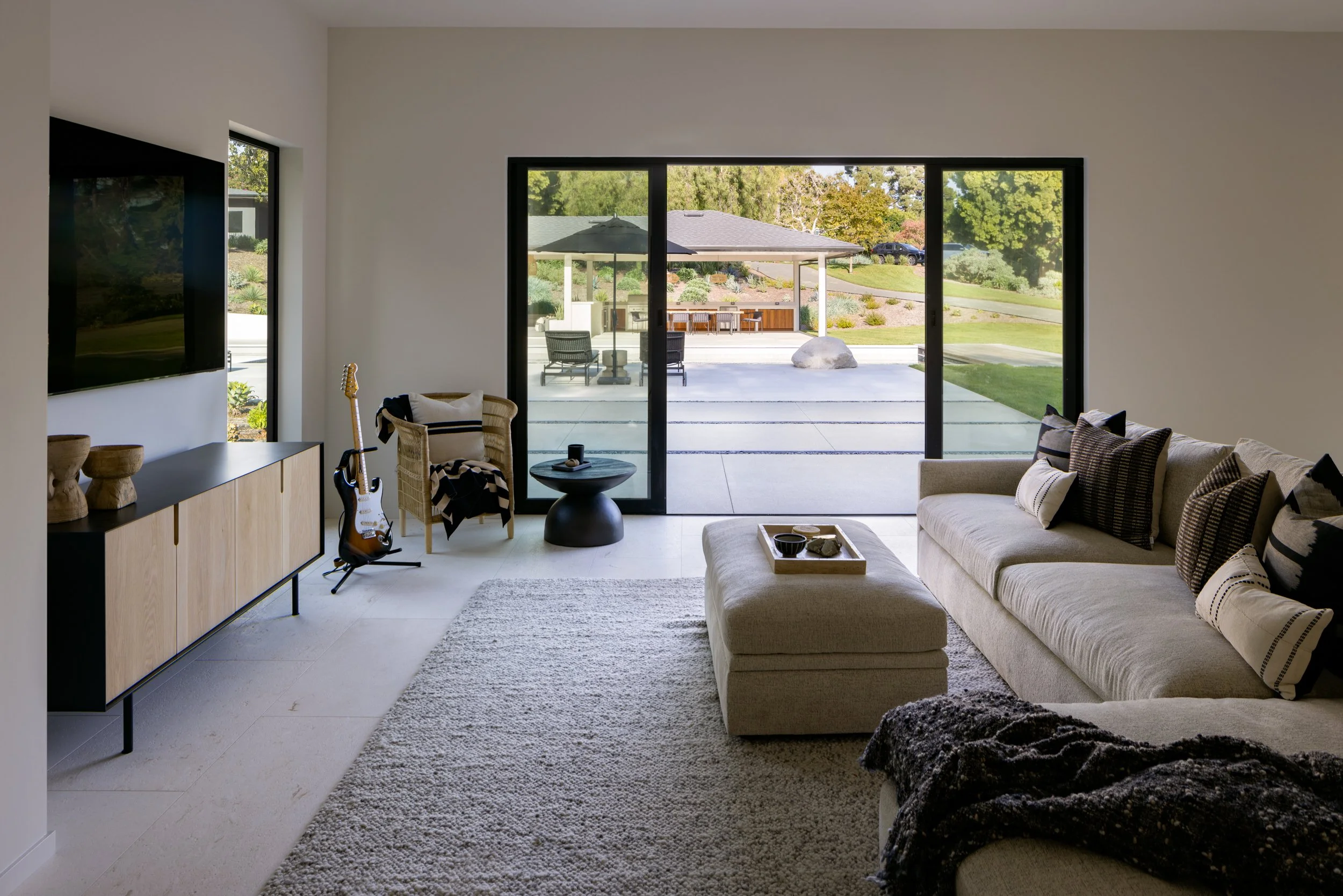
Every home has a rhythm. Morning light in the kitchen. Afternoon quiet in a sitting room. Evenings spent gathered with family or friends. Intentional design pays attention to these patterns.
We think about how a client moves through their home from the moment they wake up to the moment they wind down. Where do they reach for coffee in the morning? Where do they naturally sit at the end of the day? Which spaces feel underused, and why?
From there, we begin to shape the home around those habits. Furniture placement becomes more intuitive. Lighting becomes softer and more supportive. Spaces begin to feel aligned with the way life actually unfolds.
This is where design moves beyond aesthetics and begins to feel deeply personal.
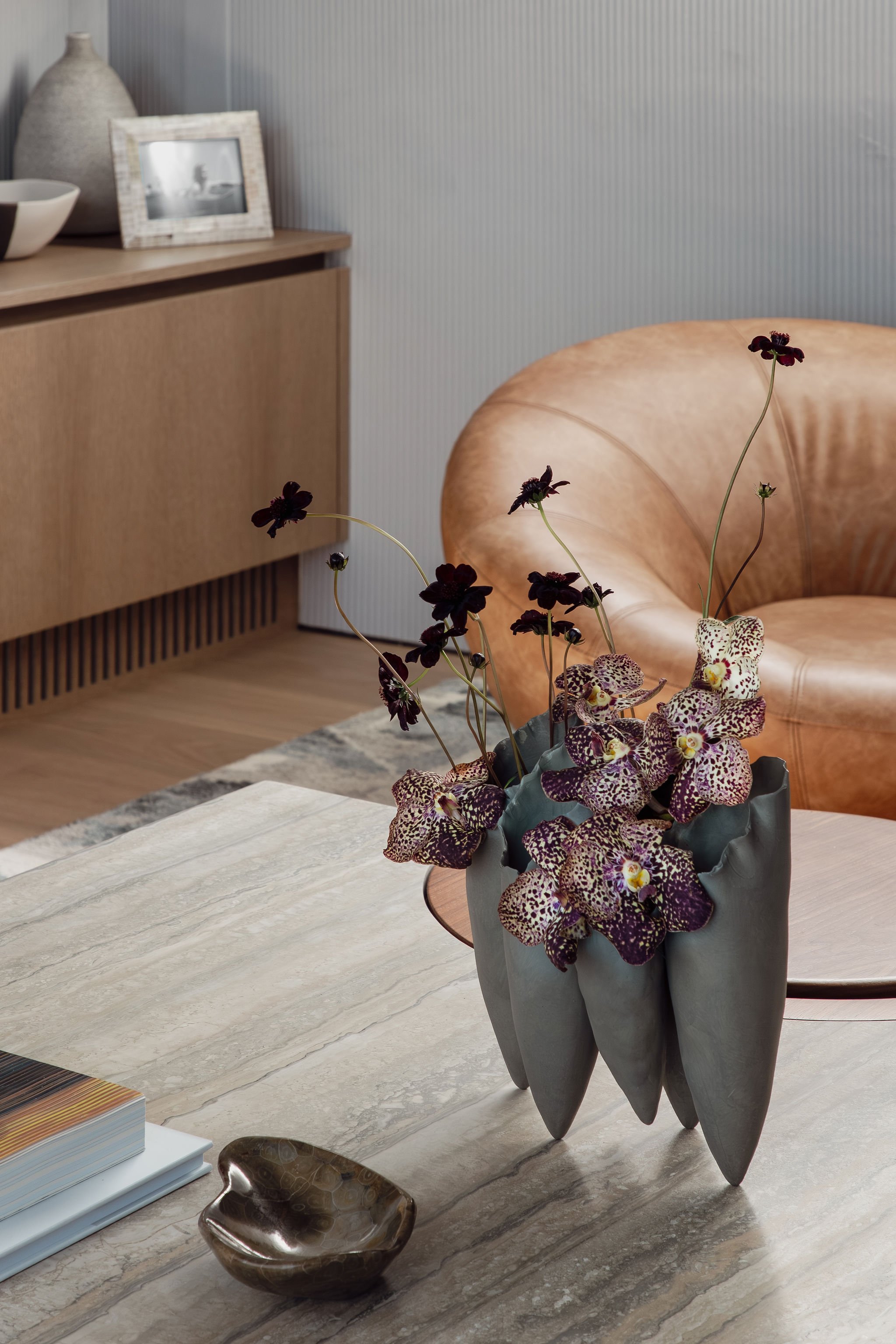
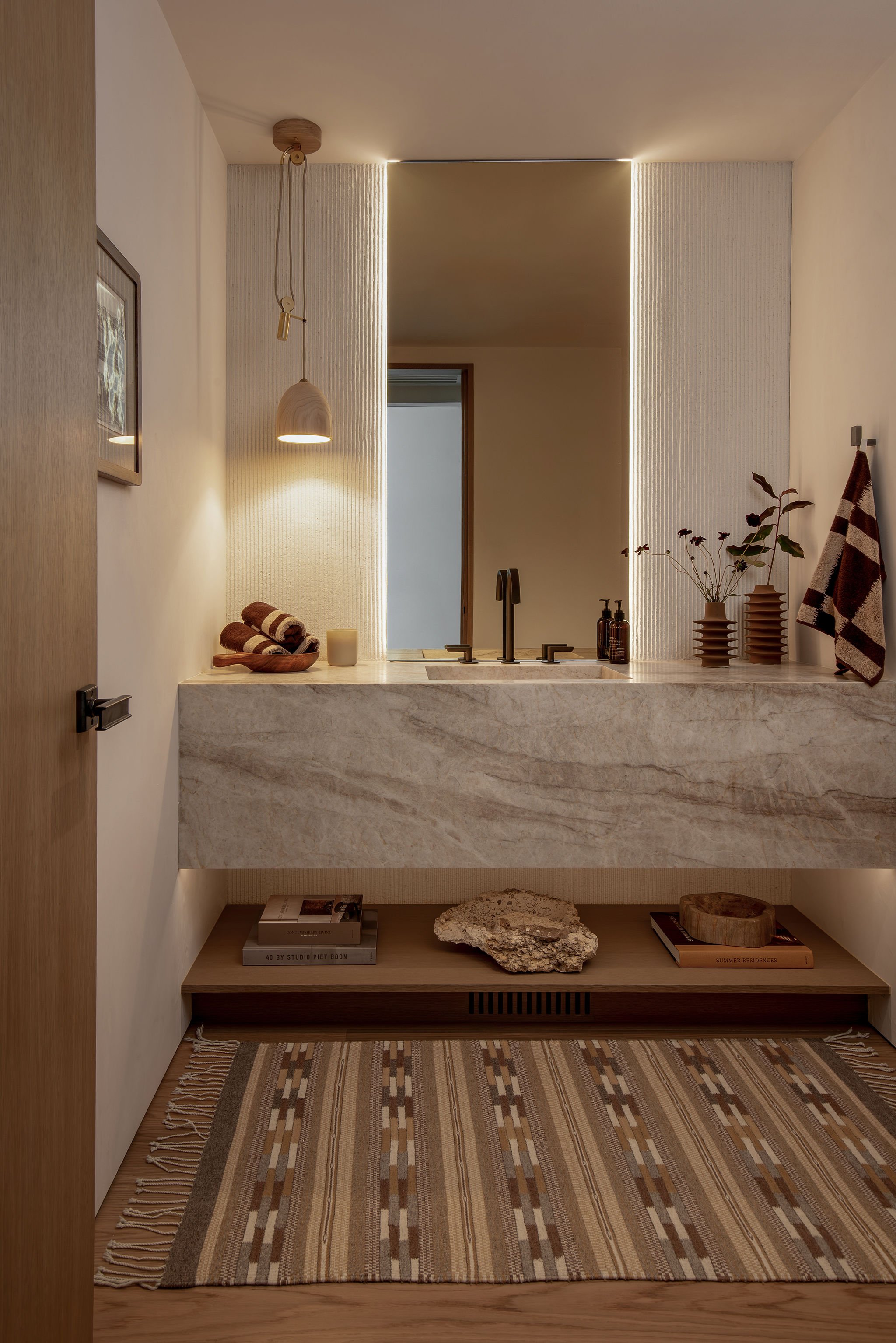
There is something powerful about walking into a space that feels right. Not just styled, but settled. A home that has been designed with intention has a quiet confidence to it. Nothing feels forced. Nothing feels out of place. The materials feel natural, the colors feel balanced, and the overall atmosphere feels calm.
We often hear clients say that their home finally feels like them. That sense of recognition is what makes a space meaningful. It becomes a place where you can fully relax, fully gather, and fully be yourself.
Intentional living is not about perfection. It is about awareness. It is about making small, thoughtful decisions that shape your environment over time. Your home is one of the most powerful places to begin. When you design with intention, you are creating more than a beautiful space. You are creating a foundation for how you want to live.
At Design 4 Corners, we believe that luxury is not just how a home looks. It is how it feels to live there every day. When a space is aligned with your lifestyle and your values, it supports you in ways that go far beyond design.
It becomes part of your daily practice. And that is where a house begins to feel like home.