
THE ART OF EDITING YOUR HOME

THE ART OF EDITING YOUR HOME
What to Keep and What to Let Go
There is a moment that happens in almost every home. It is subtle at first. A room begins to feel a little too full. A corner feels unresolved. Pieces that once felt right no longer quite fit. Nothing is necessarily wrong, but something feels off. We hear this often from our clients. A quiet sense that their home no longer reflects who they are or how they want to live.
And more often than not, the solution is not adding more. It is editing. Editing your home is not about removing everything or starting over. It is about creating space for what truly matters.
Over time, homes naturally collect layers. Furniture from different seasons of life, decor chosen in a moment, pieces that were never quite intentional but found a place anyway. These layers can begin to compete with one another, making a space feel visually heavy or emotionally disconnected.
When we begin a design project, one of the first things we do is step back and look at what is already there. Not everything needs to go. In fact, some of the most meaningful spaces are built around pieces that already hold history. The goal is to refine, not erase.
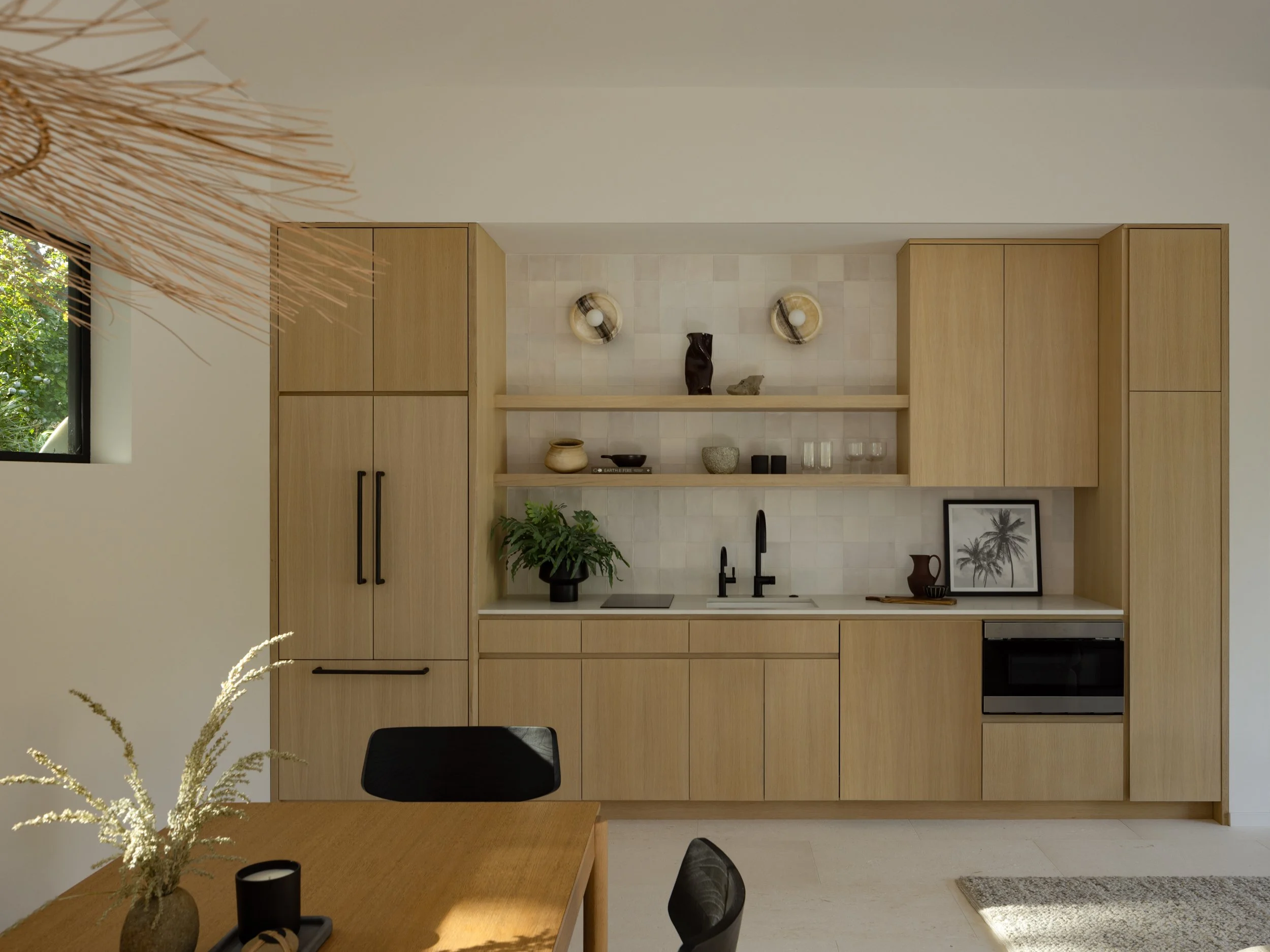
There is always a reason to keep something. It may be the way a chair feels at the end of a long day. The way a dining table has held years of conversations. The way a piece of art still draws your eye every time you walk into the room. When something feels right, it usually is.
We encourage our clients to pay attention to those instinctive reactions. The pieces that feel grounding, comfortable, and familiar often become the foundation of a well designed home. From there, everything else begins to take shape more naturally.
Letting go can feel more difficult than selecting something new. There is often a story attached. A memory. A sense that something should stay, even if it no longer fits the space or the way you live. But holding onto everything can create a kind of visual noise that is hard to define but easy to feel.
When we guide clients through this process, we focus on clarity rather than perfection. Does this piece support the way you want your home to feel? Does it belong in this space, or has it simply remained out of habit? When something no longer aligns, letting it go creates room for something more intentional to take its place. There is a lightness that comes with that shift.


One of the most common concerns we hear is the fear of a home feeling too minimal or too designed. A well edited home should never feel empty. It should feel layered, personal, and lived in. The difference is that each piece has a purpose and a place. In luxury interior design, we often talk about creating a home that feels collected over time. That sense of ease comes from thoughtful layering, not from filling every corner.
When editing is done well, a room feels balanced. There is space for the eye to rest. There is room for light to move. Each piece feels more intentional because it is not competing with everything around it.
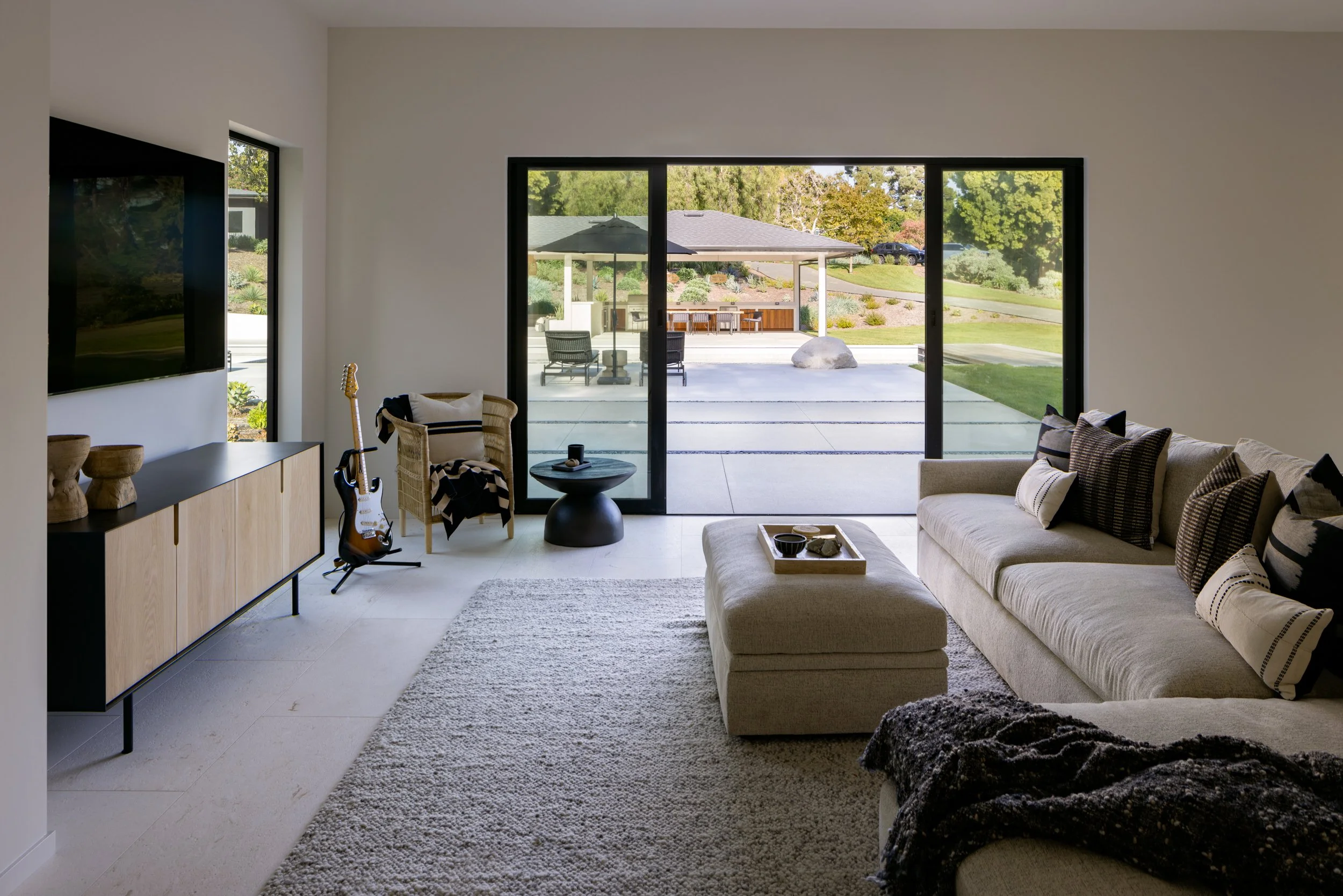
Editing your home is not a one time process. It evolves as you do. As life shifts, your home should shift with you. What worked a few years ago may no longer support your current lifestyle. Spaces that once felt complete may need to be reimagined. This is a natural part of living intentionally.
Rather than viewing your home as something static, it can be seen as something that grows and adapts alongside you. Small changes over time can have a meaningful impact on how your home feels.
At Design 4 Corners, we believe that clarity is one of the most powerful tools in design. When a home has been thoughtfully edited, every detail feels more considered. Materials stand out. Textures feel richer. The overall atmosphere becomes calm and cohesive. It is not about having less. It is about choosing well.
When you walk into a space that has been edited with intention, you feel it immediately. There is a sense of ease. A sense that everything belongs. And that is where design begins to feel effortless.