
THE HOUR THE LAMPS COME ON
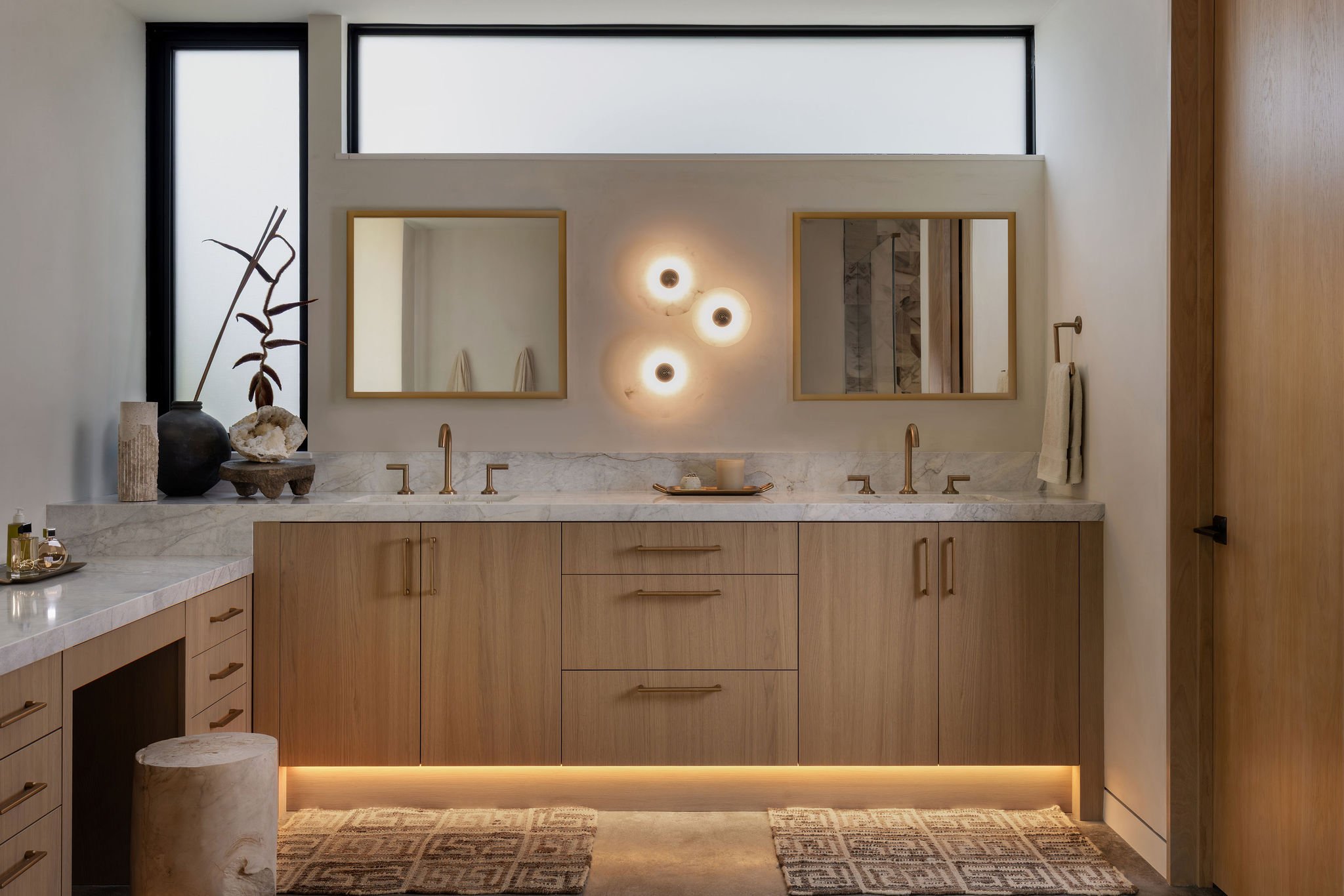
THE HOUR THE LAMPS COME ON
How to design for the shorter days, so evenings feel like an invitation instead of a loss
Somewhere in October, you’ll notice it. You’re finishing dinner or answering one last email, and you look up to find that the room has gone dim around you. The light that carried you through long summer evenings has started leaving a little earlier each day, and by the end of the month you’re turning on lamps before you’ve even thought about dinner.
For a lot of people, that shift brings a small heaviness that’s hard to explain. The days feel shorter in a way that has nothing to do with the clock. But the change in light can also become one of the loveliest parts of the year, especially when your home is ready for it. The hour the lamps come on can be the hour your family starts drifting back toward each other.
Why Evening Light Shapes the Whole Day
Most homes are designed for daylight. You think about which rooms get morning sun, where the windows face, and how bright the kitchen feels at noon. Evening light tends to be an afterthought, handled by whatever fixture came with the house and a switch by the door.
The trouble is that in autumn and winter, many of the hours you actually spend at home happen after dark. If the only option in a room is a bright overhead light, the space can feel like an office at night, flat and a little exposed. People scatter to their own rooms because nowhere in the house feels like a place to settle in.
When you design for evening on purpose, the opposite happens. A room lit softly and from several directions feels smaller and warmer in the best way, and it naturally invites people to sit down and stay.
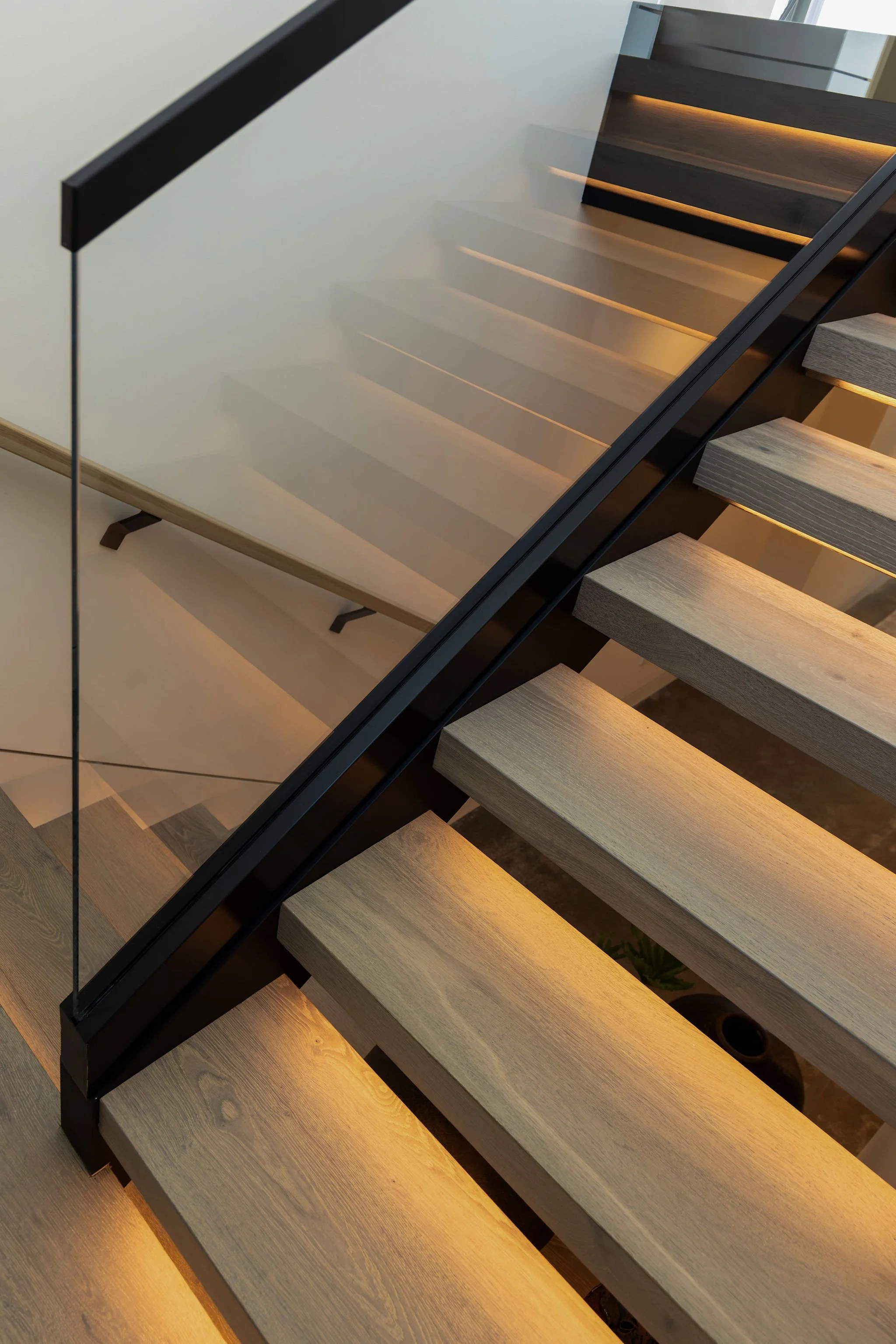
Living by Lamplight
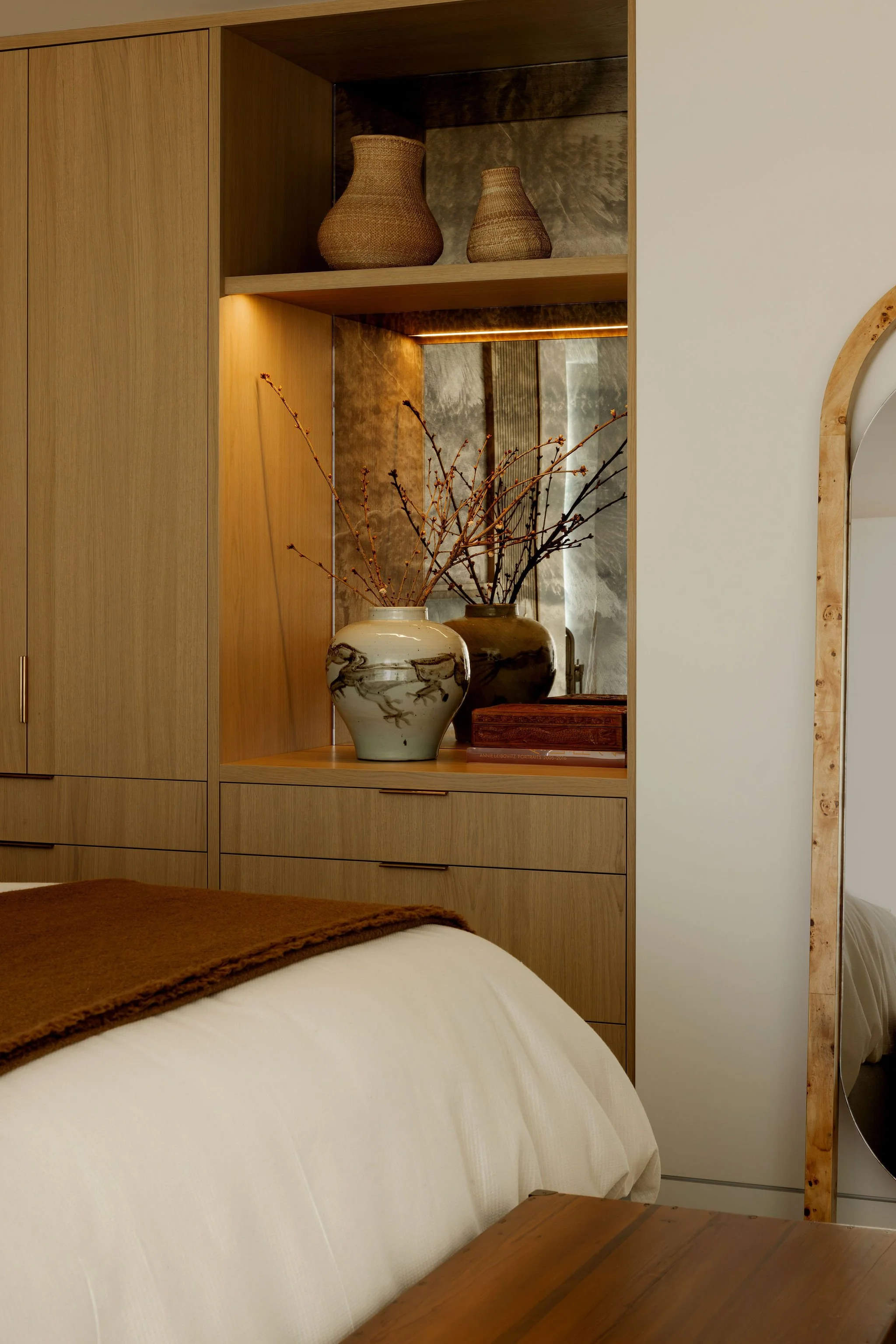
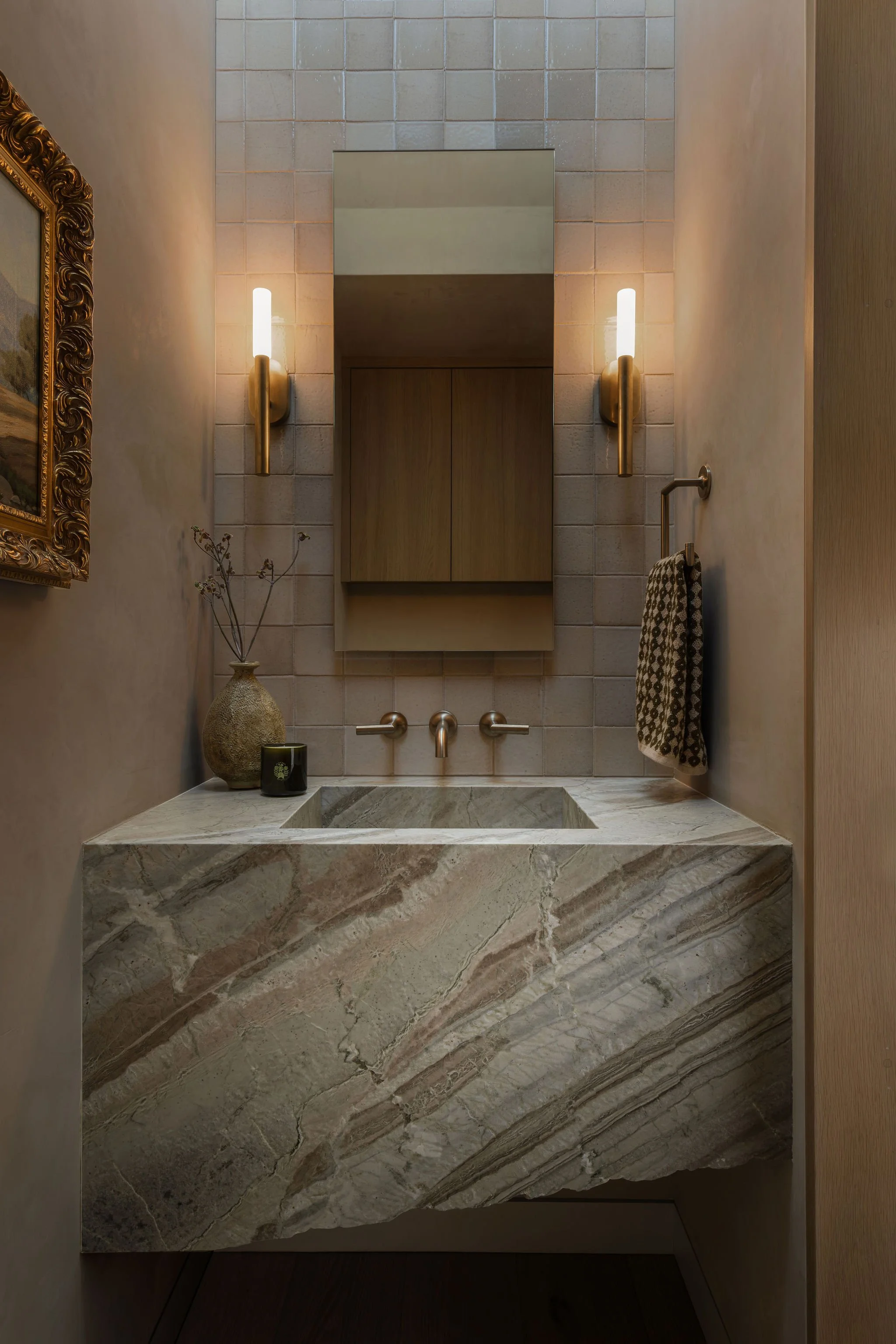
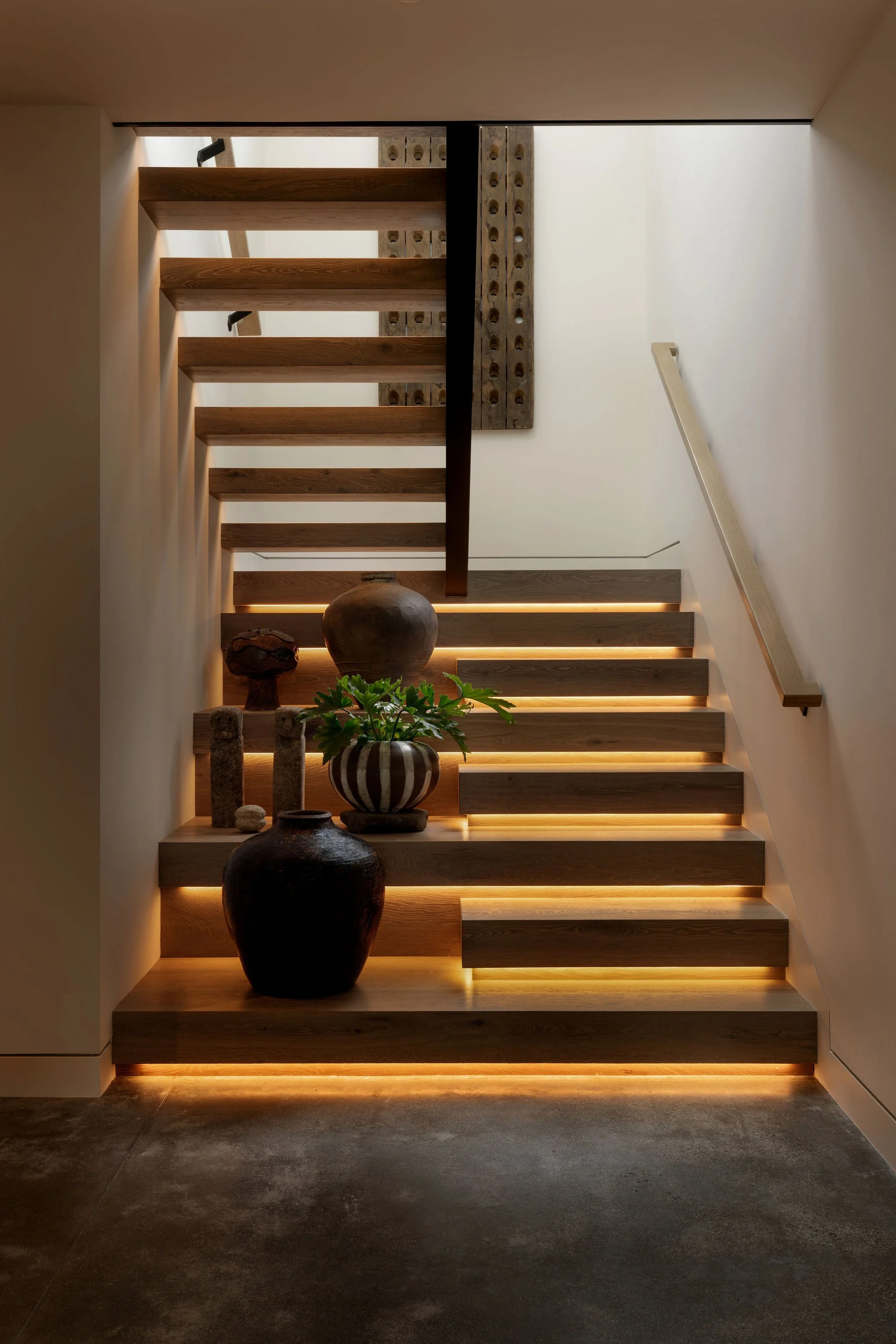
The simplest change you can make is to stop relying on the ceiling. Overhead lighting has its place in kitchens and work areas, but in the rooms where you relax, it tends to wash everything out. Lamps placed at different heights create pools of light that give a room depth and shape.
Think about a floor lamp beside a reading chair, a pair of table lamps on a console, and a small lamp on a bookshelf or kitchen counter where you wouldn’t expect one. Each one makes a little island of warmth, and together they make the room feel layered and inhabited. Lamps with linen or paper shades soften the light even further, and ceramic or wooden bases add texture that looks beautiful whether the lamp is on or off.
Pay attention to the corners as well. Dark corners make a room feel like it ends sooner than it does, and one low lamp tucked into a corner can make a living room feel twice as welcoming.
The Color of Warmth
The color of your light matters as much as where it comes from. Cool white bulbs feel crisp and alert, which is useful in a home office but jarring in the evening. Warmer bulbs, the kind that give off a soft amber glow, feel closer to candlelight and firelight, and your body tends to read them as a signal that the day is winding down.
Dimmers are one of the most underrated tools in a home. Being able to lower the light gradually as the evening goes on lets a room shift from dinner to conversation to rest without anyone having to think about it. If you’re renovating, adding dimmers to living areas and bedrooms is a small investment that changes how the whole house feels at night.
Candles and Small Flames
There’s a reason candles show up on almost every table this time of year. A flame moves in a way electric light never does, and that movement makes a room feel alive. A few candles on the dining table, a lantern by the front door, or a cluster of votives on the mantel can turn an ordinary weeknight into something that feels a little more cared for.
You don’t need to save them for guests. Lighting a candle at dinner on a Tuesday is one of the easiest rituals there is, and children especially tend to remember it. It tells everyone at the table that this meal, and this time together, matters.

Rituals That Begin When the Light Changes
Once your home is ready for the evening, you may find that new habits start to form around it. Maybe someone turns the lamps on as soon as they get home, and that small act becomes the moment the day officially ends. Maybe the family starts gathering in the living room after dinner because it’s the warmest-feeling room in the house. Maybe you start reading more, simply because there’s finally a chair with good light beside it.
These rituals don’t need to be planned. They grow on their own when a home gives people a reason to come together, and good evening light is one of the strongest reasons there is.
Welcoming the Darker Months
The shorter days of autumn aren’t something you have to endure until spring. With a little attention, they can become the coziest stretch of the year, when the house glows from the inside and everyone seems to end up in the same room by nightfall. When you design for the hour the lamps come on, you’re really designing for the time your family spends together. And that’s the time most worth getting right.
If your home feels bright by day but a little cold by night, we’d love to help you design evenings that draw everyone in.