
THE HOUSE THAT HOLDS YOU

The House That Holds You
How Intentional Design Restores a Family's Sense of Home
If you've ever walked into a house that felt less like a collection of rooms and more like a family gathered in one place, you were probably standing somewhere that had been styled with real intention. Not staged for a magazine, and not decorated in a rush to fill blank walls, but shaped slowly around the actual story of the people who live there. You can usually feel the difference within the first few seconds of walking through the door, even if you can't immediately explain why.
When Souvenirs Find Their Right Place
Most homes have a drawer somewhere, or a box in a closet, full of things nobody quite knows what to do with. A shell from a beach trip years ago. A ticket stub from a first date. A grandmother's sewing tin that still smells faintly of thread and cedar. These objects carry weight, but without a place to live, that weight tends to sit forgotten rather than felt.
When a family styles their home with intention, those objects get pulled out of storage and given a place that actually matches their meaning. The beach shell might sit on a windowsill in the room where the family gathers for morning coffee, catching the same kind of light it once caught on that trip. The sewing tin might sit on an open shelf in the kitchen, close enough to touch, instead of buried in a box in the attic. Placement becomes a form of respect. It tells everyone in the house, including guests passing through, that this object mattered enough to be seen every day rather than hidden away for safekeeping.
Over time, a home arranged this way stops feeling like a house with some old items scattered around and starts feeling like a walk through the family's own history, one object at a time.
A Color Story That Holds Everyone Together
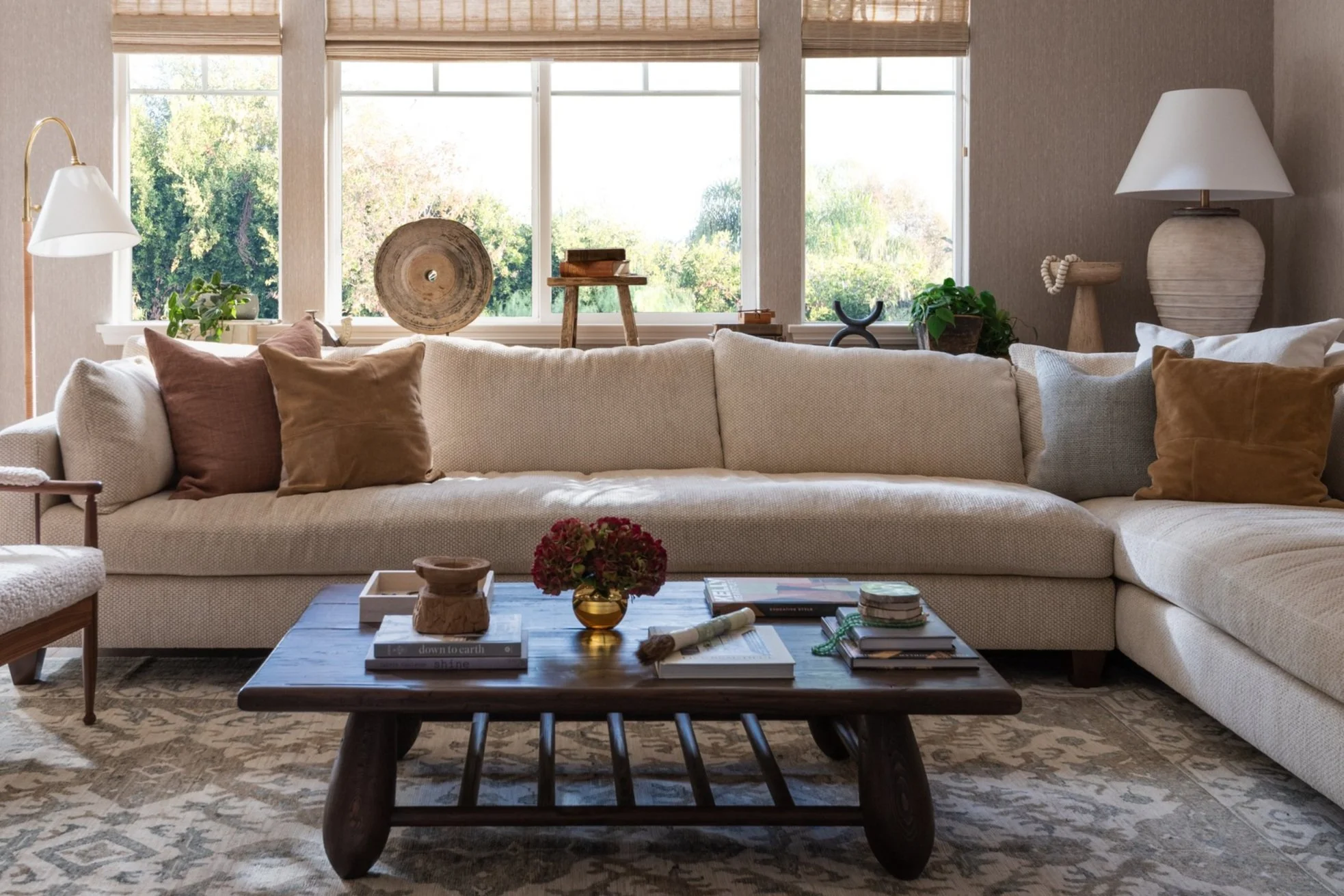
Color does something similar, though it tends to work in the background rather than announcing itself. A family that chooses a consistent color story throughout their home, warm terracottas that echo through the living room and kitchen, or muted greens that show up in three different rooms without ever feeling repetitive, creates a kind of visual thread that ties the whole house together.
That thread matters more than it might seem. Kids who grow up in a home with a consistent, considered palette tend to absorb a subtle sense of belonging simply by moving through the space. Nothing feels disconnected or thrown together. Every room feels like it belongs to the same family, telling the same larger story, rather than existing as separate spaces that happen to share a front door.
This is different from matching furniture sets or following a strict design trend. It's closer to a family choosing a handful of colors that feel true to who they are, and then trusting those colors to carry meaning through every room they touch.
Restoration Through Repetition
There's a particular kind of restoration that happens when a family sees their own story reflected back at them throughout their home. A photograph from a wedding placed near a photograph from a childhood trip. A quilt made by a great aunt draped over the same couch where the family watches movies every week. A collection of postcards from places the family has traveled together, framed and hung where everyone passes by on their way to breakfast.
None of these choices are dramatic on their own. But together, repeated throughout a home, they create a kind of grounding that's hard to manufacture any other way. Family members start to feel less like they're passing through separate rooms and more like they're moving through chapters of the same ongoing story, one that includes all of them.
Why This Kind of Design Feels Different
A home styled this way was never really about decoration in the first place. It was about restoration, the steady work of reminding a family, every single day, of where they came from and who they are together. The souvenirs and heirlooms become anchors rather than clutter. The color story becomes a thread instead of a trend. And the house itself becomes something closer to a member of the family, holding its history the way a person might hold a memory close.
That's the real difference between a house that simply looks nice and a home that feels unified. One was arranged to impress. The other was arranged to belong.