
THE ROOM EVERYONE ENDS UP IN
THE ROOM EVERYONE ENDS UP IN
Why the kitchen becomes the heart of a family, and how to design one that deserves the role
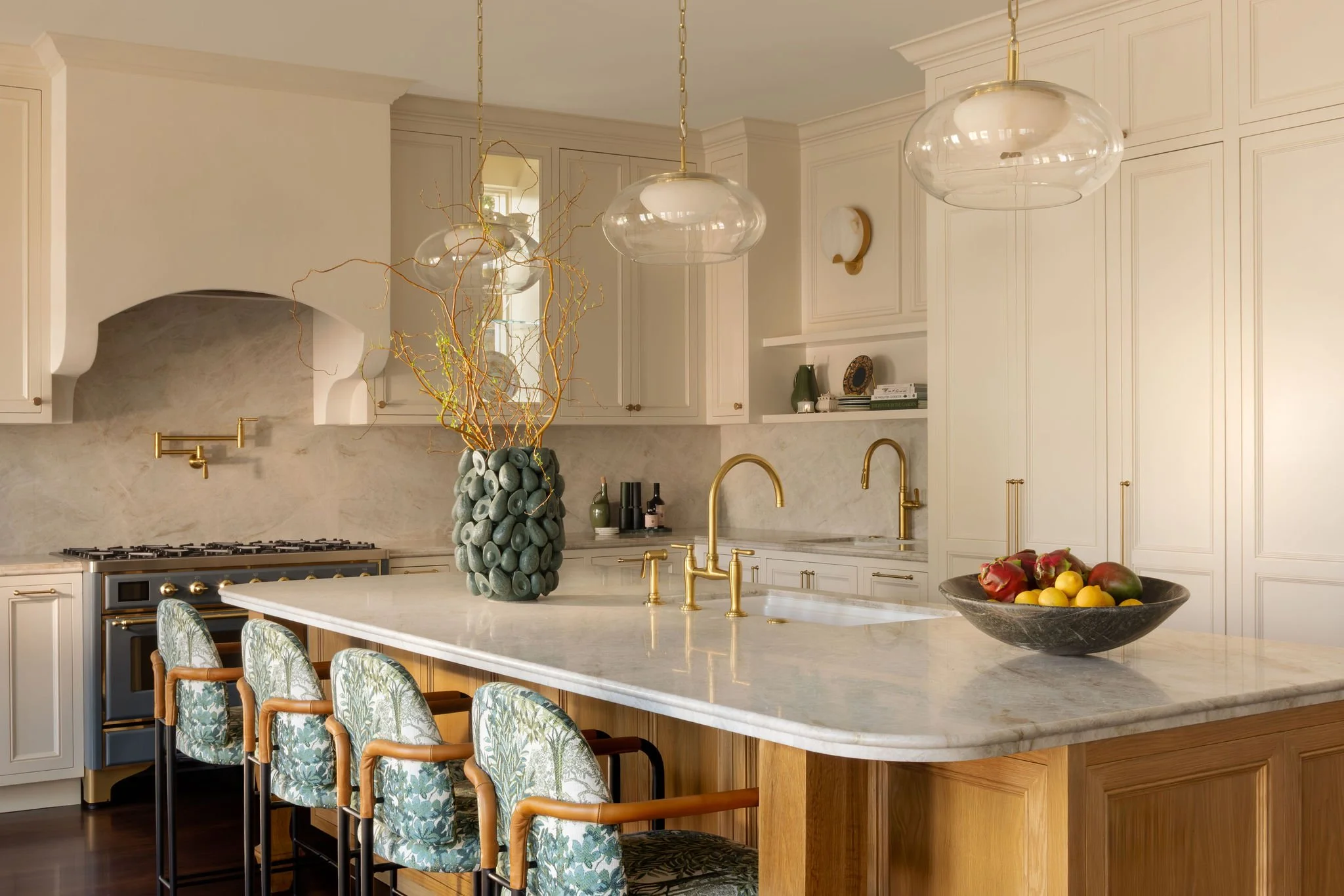
You can plan the most beautiful living room in the house, arrange the sofas for conversation, light a fire, and set out a board of cheese and olives, and by the end of the evening your guests will still be standing around the kitchen island with a glass of wine in hand. It happens at dinner parties, at holidays, and on ordinary Tuesday nights when your kids drift in to ask what's for dinner and then stay to tell you about their day. The kitchen has a gravity that no other room seems to have, and most families feel it long before they ever think to design for it.
That pull isn't an accident, and it isn't only about food. The kitchen is where a family's daily life becomes visible, and when you understand why, you can design a space that holds that life with far more grace.
For most families, the kitchen is the first room that wakes up in the morning and the last one to go dark at night. It's where the coffee gets made before anyone is fully awake, where lunches get packed in a rush, and where someone always ends up leaning against the counter at eleven o'clock, eating something straight from the refrigerator and talking about nothing in particular.
Because it frames the beginning and end of every day, the kitchen absorbs more of a family's history than any other room. Ask grown children what they remember about the house they grew up in, and very few will describe the formal dining room. They'll tell you about the smell of onions softening in butter on a Sunday afternoon, the sound of a parent humming at the stove, or the particular chair at the kitchen table where they did homework while dinner cooked. Those memories are sensory and specific, and they almost always happen in the kitchen.
When you design this room, you're shaping far more than a place to cook. You're shaping the backdrop your family will remember when they think of home.
Designing for More Than One Person at the Stove
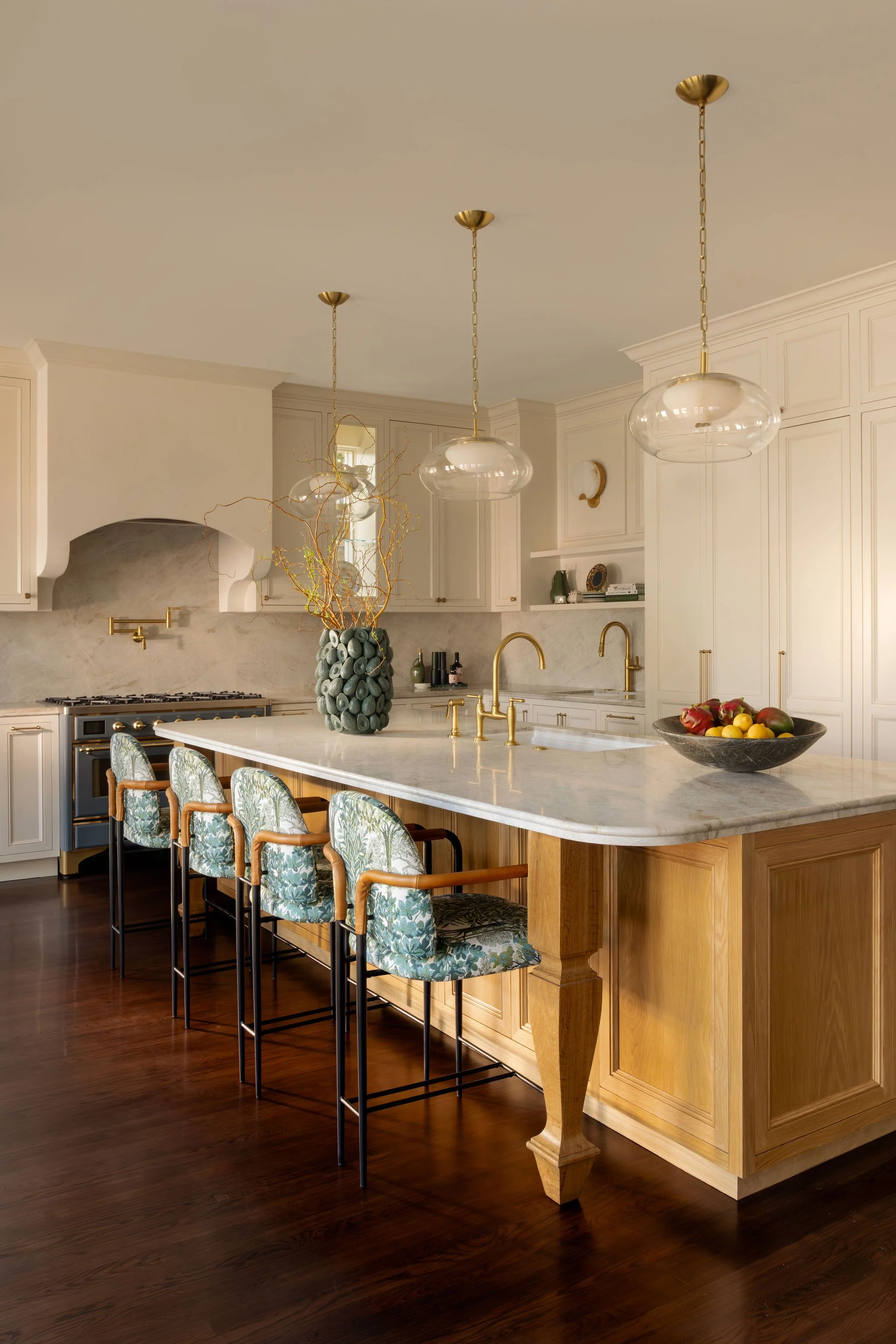
Many kitchens are still planned as though one person will do all the work while everyone else stays out of the way. The most loved family kitchens are designed on the opposite assumption, that several people will be in the room at once and that this is exactly the point.
That starts with giving people somewhere to be. A few counter stools where a teenager can sit and talk while you chop vegetables, or a deep window seat where a younger child can color while keeping you company, turns the kitchen from a workspace into a gathering place. It helps to think in zones as well, so that someone can fill a water glass or grab a snack without stepping into the path of whoever is cooking. A secondary sink, a drawer of snacks placed at a child's height, or a beverage area at the edge of the room all let family members participate without colliding.
Sight lines matter just as much. When you can see the family room or the garden from the stove, cooking stops feeling like a task that pulls you away from everyone and starts feeling like part of the evening itself. Some of the best conversations in a family happen sideways, while someone's hands are busy and no one is looking directly at each other, and a kitchen with good sight lines makes room for those moments.
The Table That Sees Everything
An island is wonderful for casual meals and quick conversations, but there's still something irreplaceable about a real table in or near the kitchen. A table asks people to sit down and face each other, and that small shift changes the tone of a meal completely.
The best kitchen tables are rarely the most precious ones. They're the tables that can take a hot dish set down in a hurry, a spilled glass of milk, a science project spread across the surface for a weekend, and still look better for it years later. A solid wood table with a simple oil finish develops the kind of marks that tell a family's story, a faint ring from a birthday cake candle, a dent from the year someone learned to use a hammer. Those marks aren't damage to be hidden. They're a record of a family actually living at that table.
Materials That Grow With You
In the kitchen more than anywhere else, the materials you choose determine whether the room feels relaxed or anxious. A countertop that shows every water spot, or a finish that has to be protected from every child's hand, turns the heart of your home into a place where people feel they have to be careful.
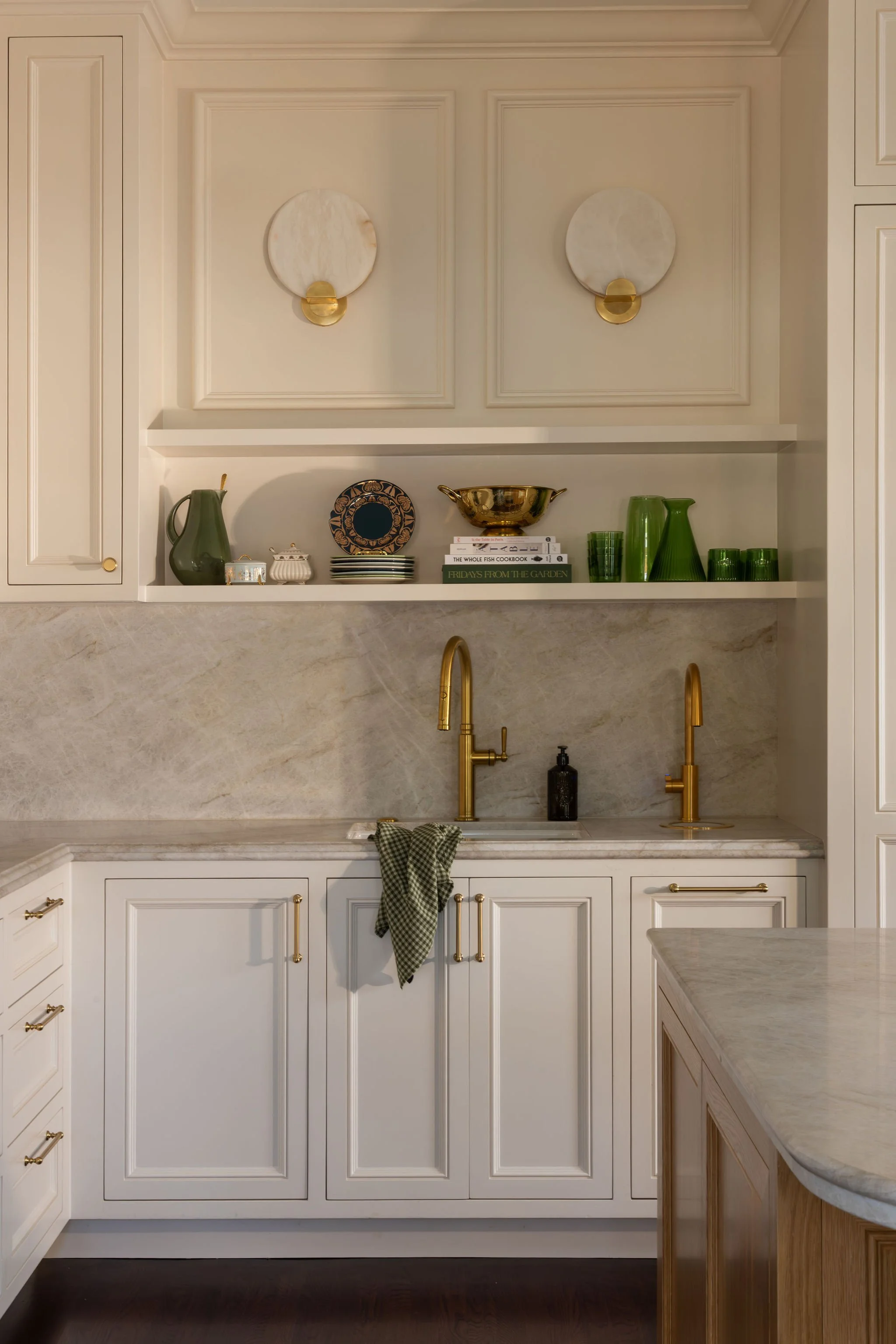
We tend to guide families toward materials that improve with use. Honed marble softens and develops a gentle patina over the years. Unlacquered brass hardware darkens where hands touch it most, so the drawers you open every day slowly take on a warmth the others don't have. Oiled wood, handmade tile, and natural stone all carry a certain forgiveness, and that forgiveness is what allows a kitchen to be both beautiful and fully lived in. When you stop worrying about the room, you can finally enjoy what happens inside it.
A Kitchen That Changes as Your Family Does
A family kitchen should never be designed for a single moment in time, because your family won't stay in that moment for long. The kitchen that works around a toddler's high chair will need to make room for a teenager who eats constantly and cooks occasionally, and eventually for grown children who come home for the holidays with partners and babies of their own.
Thinking ahead doesn't mean designing for every possible future. It simply means leaving yourself some flexibility. An island that seats five or six instead of three, a pantry that can shift from snacks and lunchboxes to serving platters and extra glassware, and a table that can extend when the whole family is home again will carry you through far more of life than a kitchen tailored to exactly how you live today.
Where a Family Becomes a Family
The living room is where a family relaxes and the bedrooms are where each person retreats, but the kitchen is where everyone's day crosses paths. It's where plans get made, where news gets shared, where someone gets comforted after a hard afternoon, and where traditions take shape one recipe and one ordinary evening at a time.
When you design your kitchen around that truth, the room stops being a place where meals are produced and becomes a place where your family actually happens. Years from now, when your children describe the home they grew up in, there's a very good chance they'll start by describing this room.
If you're dreaming of a kitchen that brings your family together rather than simply looking good in photographs, we'd love to help you design it.